





If your favorite moisturizer suddenly stings, your face feels tight five minutes after cleansing, or your usual glow has been replaced by dry patches and redness, your skin may be trying to tell you something. These are all common signs of a damaged skin barrier.
Your skin barrier does a lot of quiet work. It helps hold moisture in while keeping irritants, pollution, and other daily stressors out. When it is working well, skin feels soft, calm, and comfortable. When it is not, even a routine you have used for years can start to feel like too much.
The good news is that a stressed skin barrier does not call for a more complicated routine. In fact, this is usually the moment to simplify. That is exactly why we created Radical Repair® Barrier Recovery Serum, a lightweight daily treatment that helps soothe stressed skin, replenish lasting hydration, and support a stronger, more resilient moisture barrier. Here is how to recognize the signs of barrier damage, understand what may have caused them, and build a simple recovery routine that helps your skin feel like itself again.
What Is Your Skin Barrier?
Your skin barrier is the outermost layer of your skin. Think of it as your built in protective shield. It helps prevent water from escaping and helps defend your skin against environmental stressors, irritants, and unwanted bacteria.
A healthy barrier keeps hydration where it belongs, which is why balanced skin tends to look smoother, plumper, and more even. When that protective layer becomes compromised, moisture escapes more easily. At the same time, skin can become more vulnerable to things that would not normally bother it.
This can happen to any skin type. Dry skin may become flaky and uncomfortable, but oily or blemish prone skin can also have a weakened barrier. Oil production and hydration are not the same thing, so skin can feel greasy and dehydrated at once.
7 Signs Your Skin Barrier May Be Damaged
There is no single test you can do at home to check your barrier, but there are several clues worth paying attention to. One symptom on its own may have another cause. A few appearing together, especially after a change in your routine, often point to stressed skin.
1. Your Skin Feels Tight After Cleansing
Clean skin should feel fresh and comfortable, not squeaky or stretched. If your face feels tight as soon as you rinse, your cleanser may be removing too much of the oil and moisture your skin needs. Very hot water and cleansing too often can make that feeling worse.
2. Products That Never Bothered You Suddenly Sting
A moisturizer or serum you have used without a problem can start to tingle when your barrier is stressed. That does not necessarily mean you have developed an allergy to everything in your bathroom. It may mean your skin is temporarily more reactive and needs a break from a few steps.
Persistent burning, swelling, or a severe reaction is different. Stop using the product and speak with a dermatologist if the discomfort continues or feels significant.
3. You Notice More Redness or Reactivity
Stressed skin often looks flushed, blotchy, or uneven. You may notice that it reacts more quickly to weather, cleansing, exercise, or new products. Even skin that is not usually sensitive can go through a reactive phase when its moisture barrier is under strain.
4. Your Skin Is Flaky, Rough, or Dull
When skin loses moisture too quickly, its surface can start to feel rough and look less radiant. Makeup may catch on dry areas or settle unevenly. It can be tempting to scrub the flakes away, but more exfoliation is often the last thing stressed skin needs.
5. You Are Breaking Out More Than Usual
A damaged barrier does not only show up as dryness. When skin is dehydrated and irritated, it may become more reactive and harder to keep balanced. Harshly treating every new blemish can create a cycle in which skin becomes more uncomfortable while breakouts continue.
6. Your Skin Feels Itchy or Uncomfortable
A healthy barrier helps shield skin from potential irritants. When that defense is weakened, skin may feel itchy, tender, or generally uncomfortable. If itching is intense, persistent, or accompanied by a rash, a dermatologist can help determine whether something else is going on.
7. Your Skin Seems Thirsty No Matter How Much Moisturizer You Apply
If your moisturizer disappears and your face feels dry again soon after, your routine may be missing a balance of hydration and moisture. Hydrating ingredients help attract water, while emollient and occlusive ingredients help soften skin and reduce moisture loss. A good recovery routine usually needs both.
What Causes a Damaged Skin Barrier?
Sometimes there is one obvious culprit. Other times it is the result of several small habits adding up. Common triggers include:
- Over Exfoliating: Using harsh acids, scrubs, peels, or exfoliating toners too frequently can leave skin feeling raw and reactive.
- Introducing Too Many Actives: Starting retinol, exfoliating acids, and a strong vitamin C formula at the same time can make it difficult for skin to adjust.
- Harsh Cleansing: Strong cleansers, hot water, and repeated washing can remove the lipids that help keep the barrier comfortable.
- Dry or Extreme Weather: Cold air, indoor heat, intense sun, wind, and low humidity can all increase moisture loss.
- Skipping Moisturizer: Even oily skin needs moisture support, especially when a routine includes acne treatments or exfoliants.
- Stress and Lack of Sleep: Your lifestyle can show up on your skin. A stressful stretch may leave it looking duller or feeling more reactive than usual.
What to Do When Your Skin Barrier Feels Damaged
When skin is irritated, the answer is rarely to throw another powerful treatment at it. Give your routine a reset and focus on comfort, hydration, and consistency.
Step 1: Pause the Products That May Be Pushing Your Skin Too Far
Temporarily scale back scrubs, peels, exfoliating acids, and retinoids if they sting or seem to be making things worse. This does not mean giving them up forever. It simply gives your skin time to feel calm before you reintroduce them gradually.
Step 2: Cleanse Gently
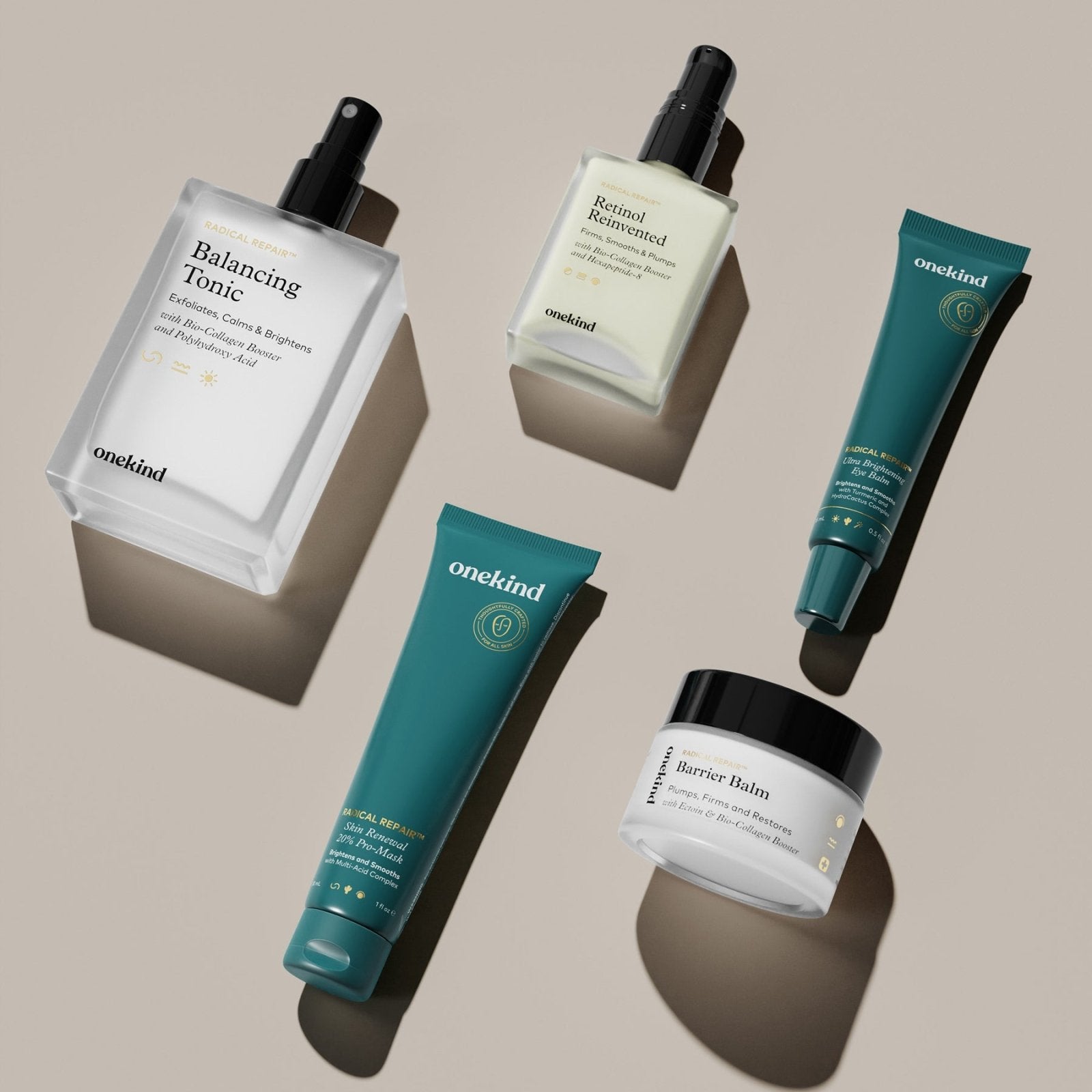
Use lukewarm water and a gentle cleanser that leaves skin feeling soft rather than squeaky. Radical Repair® Nourishing Cream Cleanser was created with stressed, reactive skin in mind. The rich cream transforms into a soft, cushiony lather that removes makeup, sunscreen, and daily buildup without leaving skin feeling stripped or tight.
Hyaluronic Acid and Pentavitin® help replenish hydration as you cleanse, while HydraCactus Complex® helps soothe and comfort stressed skin. It is an easy way to begin your recovery routine from a place of calm, especially when your usual cleanser suddenly feels too aggressive.
Massage a generous amount onto damp or dry skin, then rinse thoroughly with lukewarm water. Avoid washcloths, cleansing brushes, and aggressive rubbing while your skin is reactive. Pat your face dry instead of scrubbing it with a towel.
Shop Radical Repair® Nourishing Cream Cleanser
Step 3: Add Targeted Hydration and Barrier Support
This is where a recovery focused serum earns its place. Radical Repair® Barrier Recovery Serum is made for skin that feels stressed, dry, or reactive. Its lightweight jelly balm texture melts in quickly and layers easily under moisturizer.
The formula brings together seven clinically backed actives in one daily step. Hydrolyzed Hyaluronic Acid and Silver Ear Mushroom help attract and hold hydration. HydraCactus Complex® helps soothe stressed skin, while fermented prebiotic and postbiotic actives help support a balanced skin microbiome. Red Maple Bark Extract provides antioxidant support and helps improve the look of firmness and fine lines over time.
Apply an almond sized amount to clean, dry skin after toning and before moisturizer. You can use it in the morning, evening, or both, depending on what feels best for your skin.
Shop Radical Repair® Barrier Recovery Serum
Step 4: Seal In Moisture
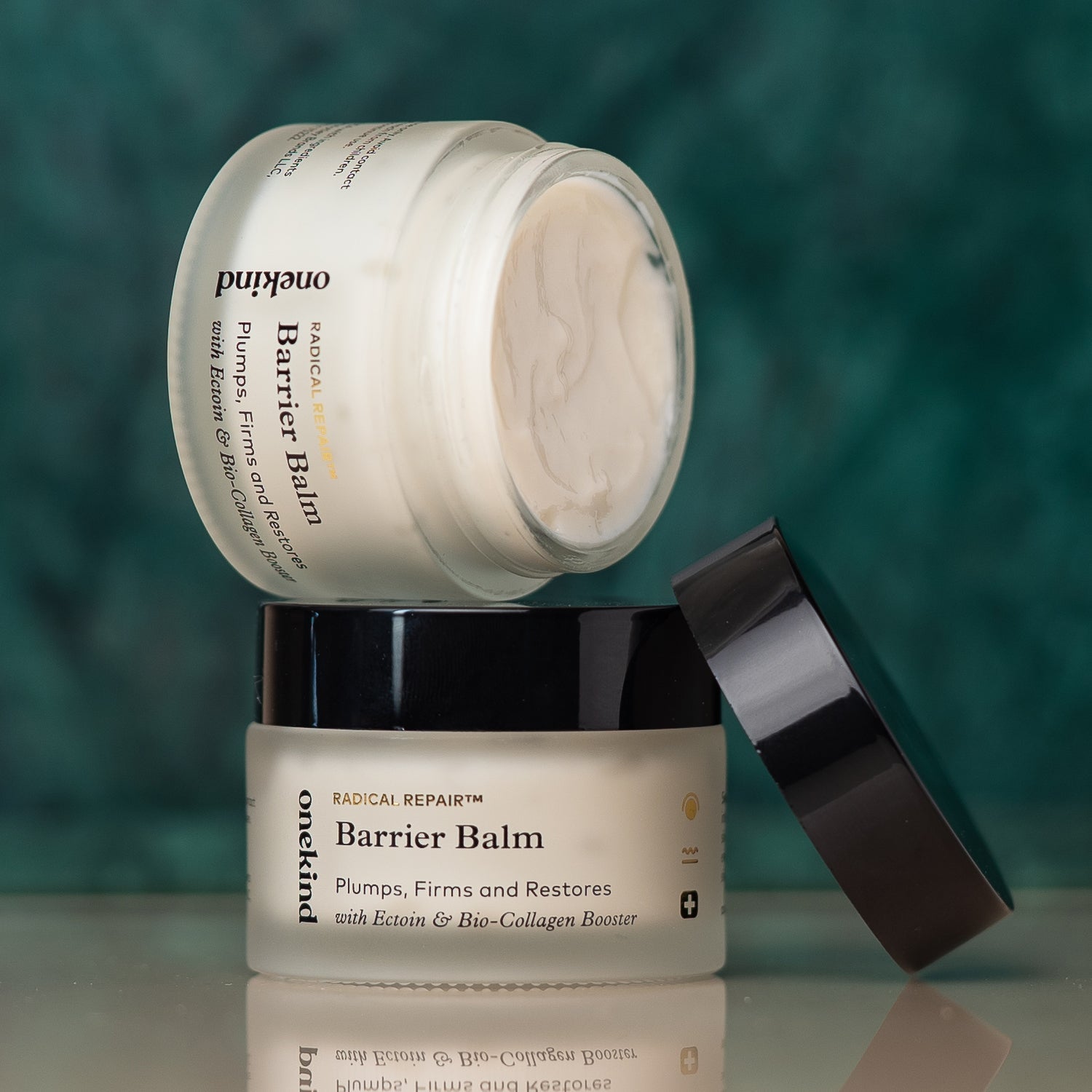
Follow your serum with a moisturizer that helps soften skin and reduce moisture loss. For skin that needs extra comfort, Radical Repair® Barrier Balm provides rich, cushiony moisture and helps reinforce the skin barrier with essential lipids.
If you are very oily, you may prefer a lighter layer during the day and a more generous application at night. The right amount is the amount that leaves your skin comfortable, not coated.
Shop Radical Repair® Barrier Balm
Step 5: Protect Your Progress During the Day
Finish your morning routine with a broad spectrum sunscreen. Sun exposure can add to the environmental stress your skin is already dealing with. A hat, shade, and thoughtful time outdoors can offer additional support.
How Long Does Barrier Recovery Take?
There is no universal timeline. A little dryness from a new product may settle quickly after you simplify your routine. More persistent sensitivity can take longer. What matters most is how your skin feels from day to day.
Many people notice that skin feels softer and more cushioned as soon as they restore hydration. Longer term improvements in resilience, comfort, and visible smoothness require consistency. Resist the urge to restart every active the moment your skin looks better. Give it enough time to feel stable, then add products back one at a time.
How to Keep Your Skin Barrier Happy
Once your skin feels calm again, a few habits can help keep it that way:
- Introduce one active at a time so you can see how your skin responds.
- Schedule recovery nights between retinol and exfoliation nights.
- Choose a gentle cleanser that does not leave your face feeling tight.
- Moisturize consistently even if your skin is oily or blemish prone.
- Pay attention to seasonal changes and adjust your routine when the weather gets colder, drier, or more humid.
- Listen when your skin says enough rather than pushing through burning or irritation.
Frequently Asked Questions About the Skin Barrier
Can Oily Skin Have a Damaged Barrier?
Yes. Skin can produce plenty of oil and still lack water or have a compromised moisture barrier. Tightness, surface flakes, unusual sensitivity, and excess shine can sometimes appear together.
Can I Use a Barrier Serum With Retinol?
Yes. A gentle, hydrating barrier serum can complement a retinol routine. Apply it before moisturizer on retinol nights or use it on recovery nights between active treatments. If you use a prescription retinoid, follow your dermatologist's directions.
Should I Exfoliate Flaky Skin?
Not always. If the flaking comes with stinging, redness, or sensitivity, more exfoliation may make your skin feel worse. Focus on gentle cleansing, hydration, and moisture until your skin feels comfortable again.
Is a Damaged Skin Barrier the Same as Sensitive Skin?
No. Some people naturally have sensitive skin, while anyone can experience a temporarily compromised barrier. The two can feel similar, and a weakened barrier can make skin more reactive than usual.
~~
Skin That Bounces Back
A stressed skin barrier is not a reason to panic or buy an entirely new shelf of products. It is a sign to slow down, simplify, and give your skin what it has been asking for: gentle care, lasting hydration, and daily support.
Radical Repair® Barrier Recovery Serum delivers calming, microbiome friendly hydration in a single fast absorbing step. Use it daily to help soothe stressed skin, support the moisture barrier, and leave your complexion feeling cushioned, comfortable, and visibly more resilient.
Shop Radical Repair® Barrier Recovery Serum