






If you have sensitive skin, you can still use retinol — but the formula, concentration, and delivery system matter enormously. The flaking, redness, and stinging most people associate with retinol are signs of irritation, not effectiveness. A well-formulated retinol for sensitive skin should produce results without those side effects.
Here's what to look for, what to avoid, and how to use retinol in a way that works with sensitive skin rather than against it.
Why Retinol Is Worth It — Even for Sensitive Skin
Retinol (a form of vitamin A) is one of the few skincare ingredients with decades of clinical research behind it. It works by accelerating cell turnover, which over time helps skin look smoother, more even in tone, and more youthful in appearance. It helps soften the appearance of fine lines, visibly improve uneven texture, and support a more radiant-looking complexion.
The challenge for sensitive skin isn't retinol itself — it's how retinol is delivered. Traditional retinol formulas can cause a period of adjustment known as "retinization" — dryness, flaking, and increased sensitivity — that can be especially rough for already reactive skin types.
The good news: formulation has come a long way. There are now ways to get the benefits of retinol-like activity without triggering that response.
What to Look for When Choosing a Retinol for Sensitive Skin
1. Lower Concentration
More isn't better with retinol — especially for sensitive skin. Formulas in the 0.025% to 0.1% range are generally well-tolerated as a starting point. Higher concentrations (0.5%–1%) are available but are better suited for skin that has already built up tolerance.
2. Encapsulated or Time-Release Delivery
Encapsulated retinol is wrapped in a protective coating that slows its release into the skin, which dramatically reduces the irritation potential while maintaining efficacy. If a formula mentions "time-release," "encapsulated," or "microencapsulated" retinol, that's a strong sign it was designed with sensitive skin in mind.
3. A Buffering Formula
The best retinol formulas for sensitive skin include soothing, barrier-supporting ingredients alongside the retinol itself — things like squalane, peptides, ceramides, or botanical extracts. These buffer the retinol and help calm the skin while the active ingredient does its work.
4. Retinol Alternatives Worth Knowing
Some formulas use retinol-adjacent ingredients that offer similar visible benefits with a gentler profile:
- Retinyl propionate — a retinol ester that converts to retinoic acid in the skin at a slower rate, reducing irritation risk
- Hydroxypinacolone retinoate (HPR) — binds directly to retinoid receptors; can be better tolerated by sensitive skin
- Bakuchiol — a plant-derived ingredient that mimics some retinol-like activity; gentler, but with a different mechanism
5. Free of Synthetic Fragrance
A retinol formula that contains synthetic fragrance is working against itself for sensitive skin. Fragrance is one of the most common causes of skin sensitization — adding it to an already active formula significantly raises the irritation risk.
How to Introduce Retinol If You Have Sensitive Skin
Start slow. The most common mistake with retinol is using it too frequently at the start. Begin with once or twice per week, then gradually increase to every other night, then nightly — over a period of 4–8 weeks.
Apply to dry skin. Damp skin absorbs ingredients more readily, which can amplify retinol's intensity. Wait a few minutes after washing your face before applying.
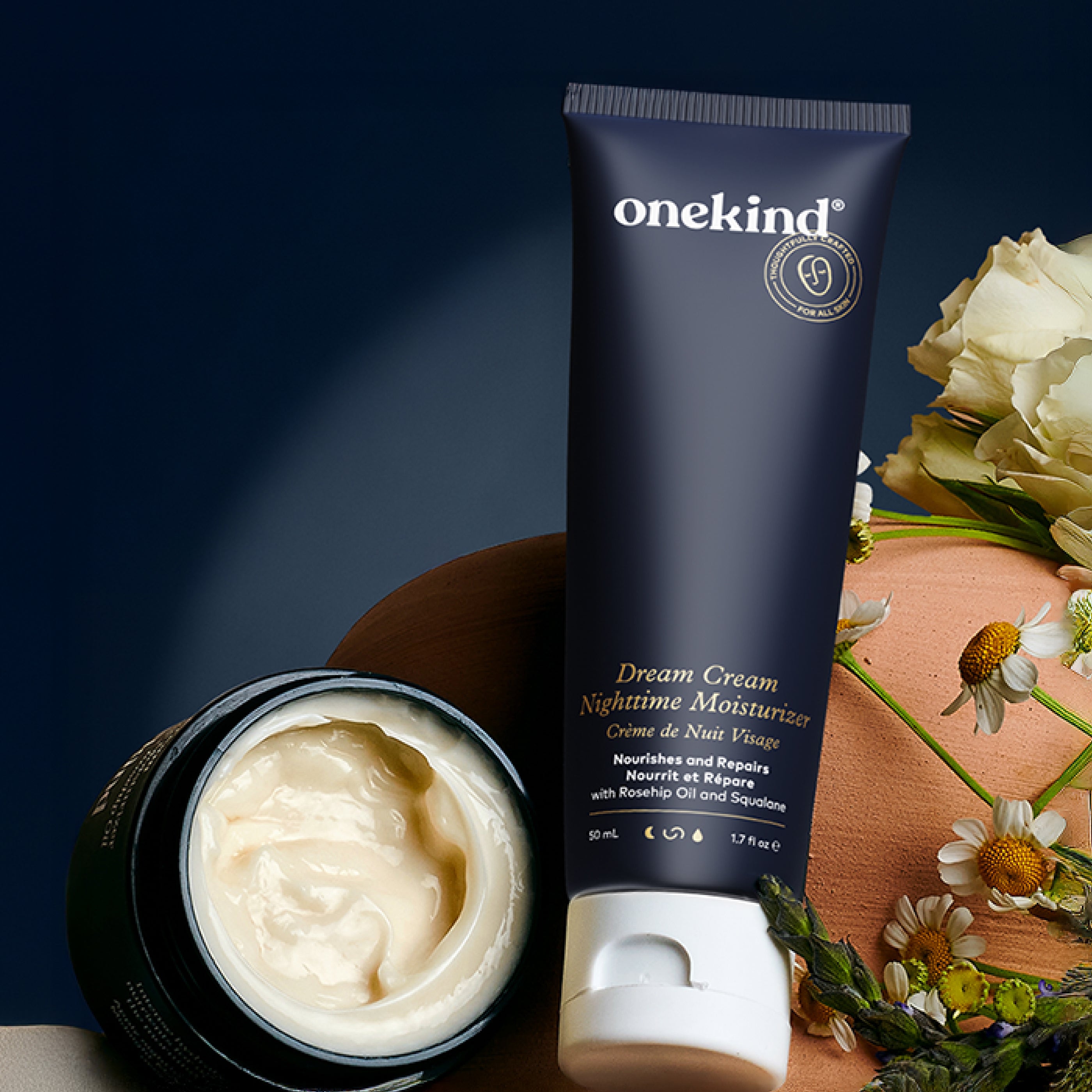
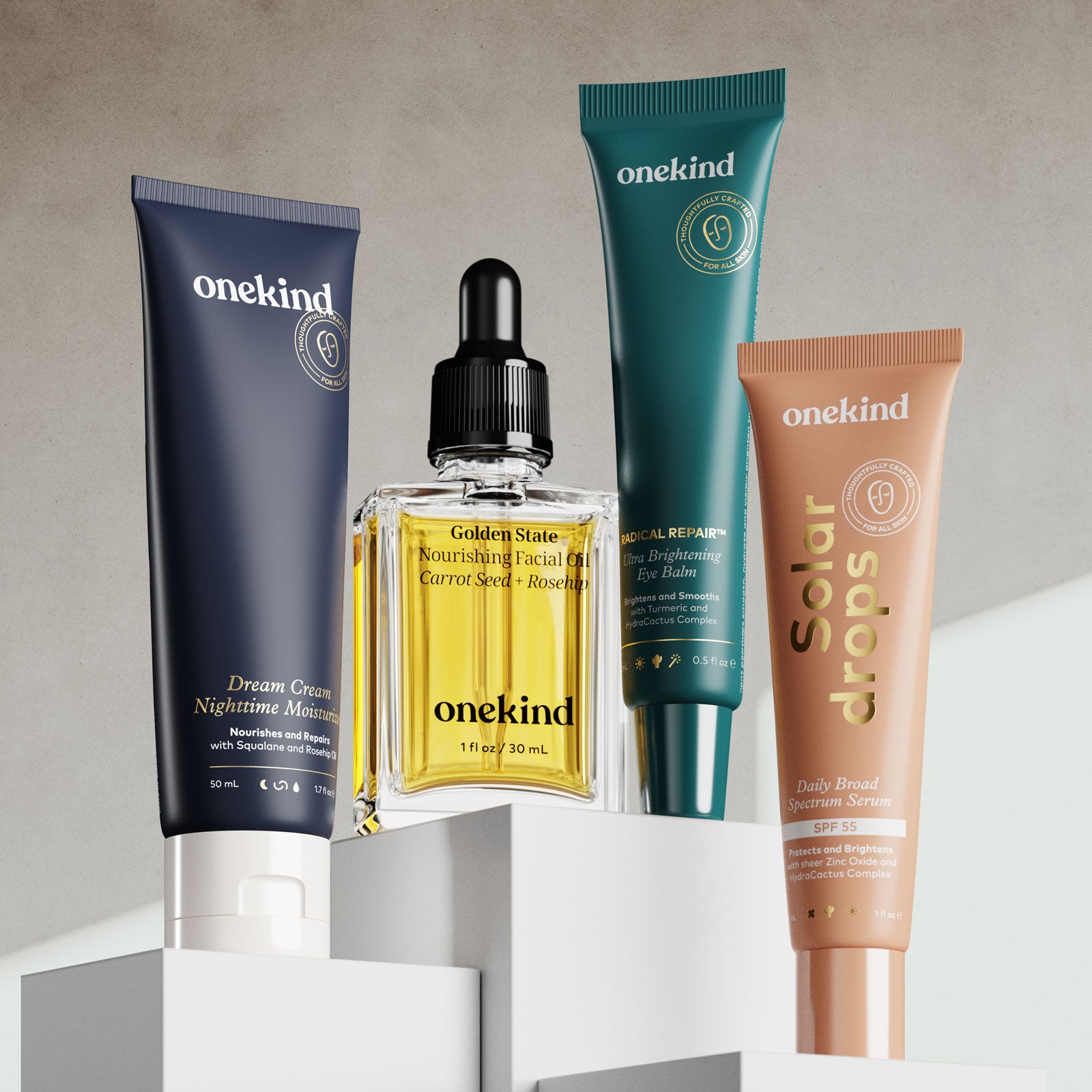
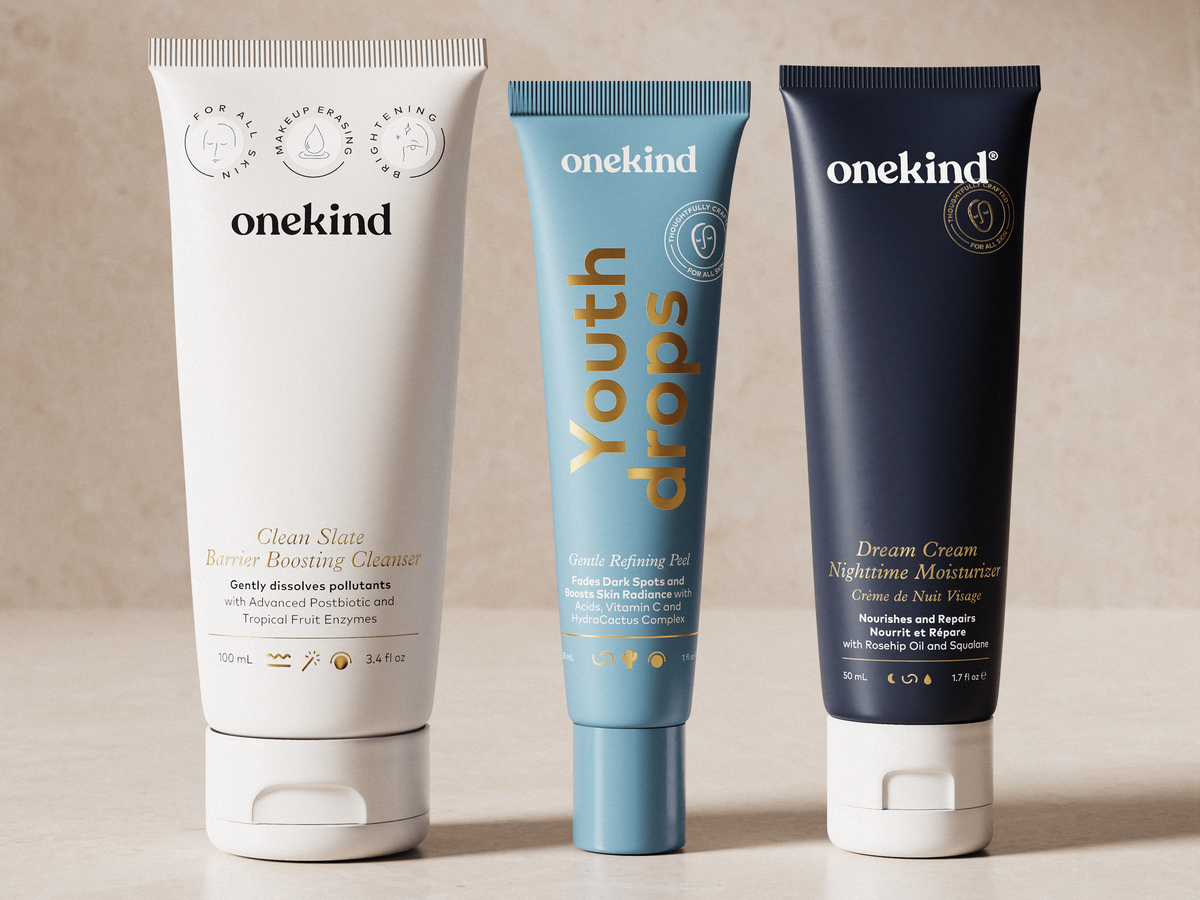
Always follow with moisturizer. Applying a rich, barrier-supporting moisturizer after retinol helps buffer potential irritation and keeps the skin comfortable overnight. The Dream Cream Nighttime Moisturizer pairs well with retinol for this reason.
Use SPF every morning. Retinol increases photosensitivity. Daily SPF is non-negotiable when using any retinoid.
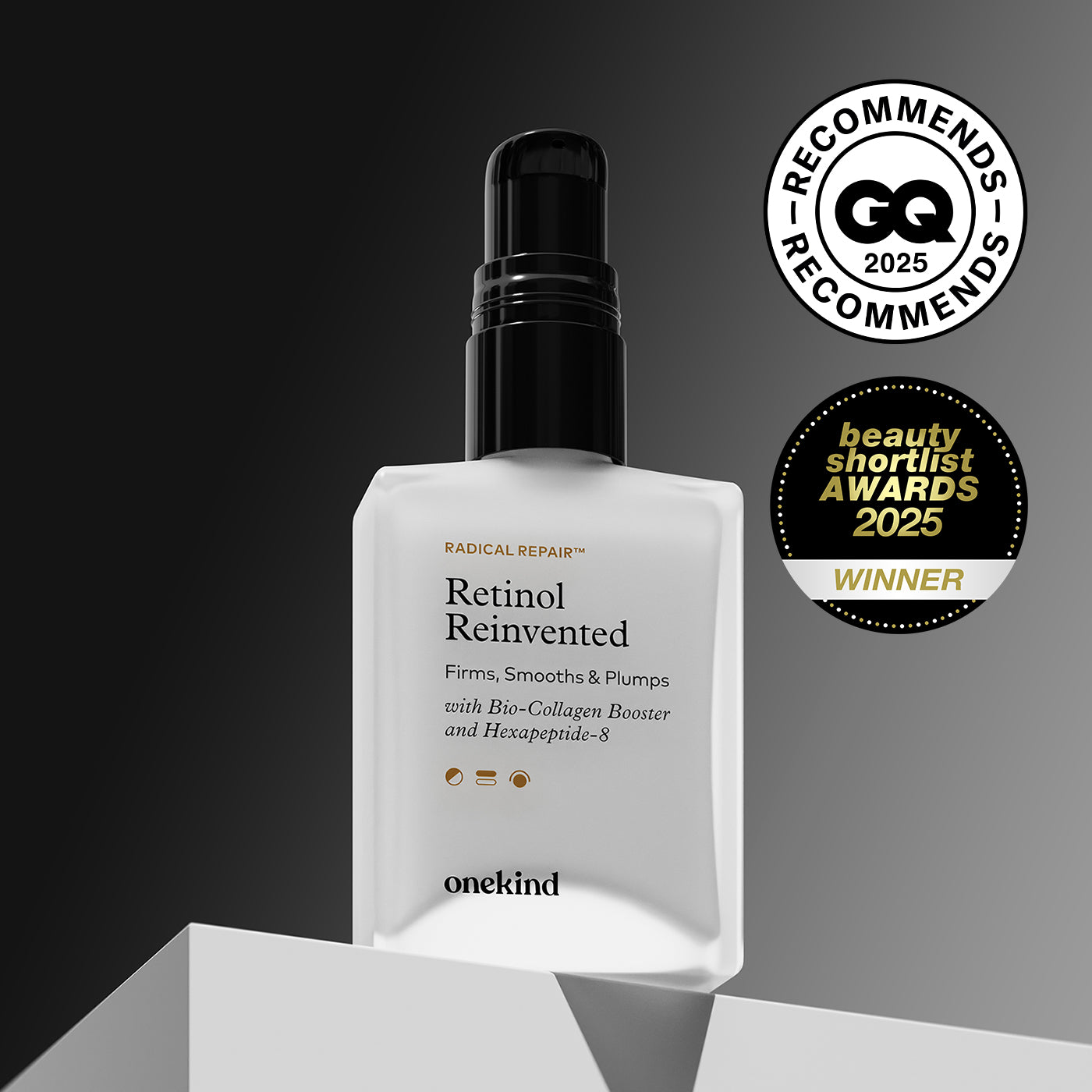
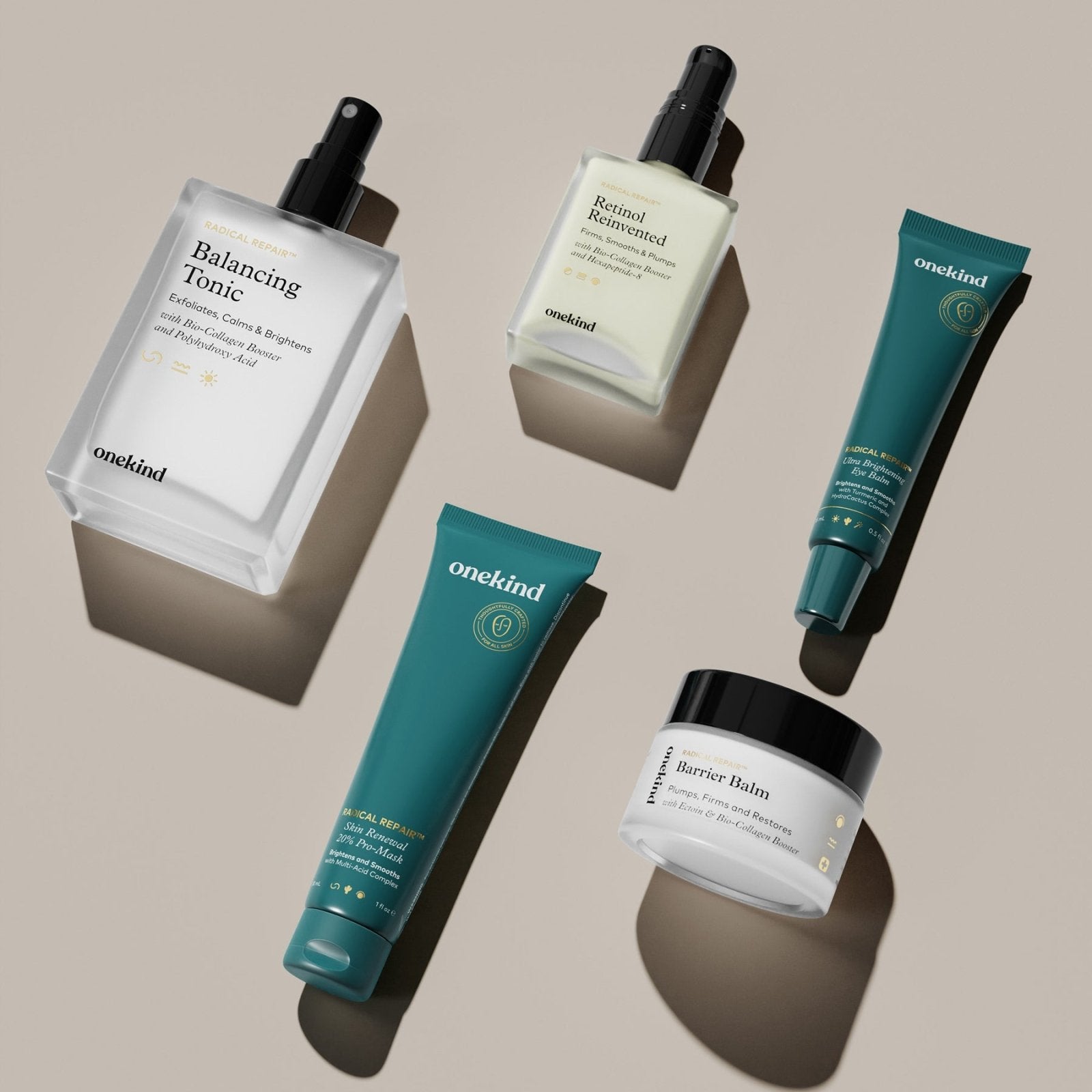
Our Recommendation: Radical Repair® Retinol Reinvented Serum
The Radical Repair® Retinol Reinvented Serum was built specifically for sensitive skin — formulated with a low-dose, time-release retinol alongside squalane, peptides, and barrier-calming botanicals. It's designed to help soften the appearance of fine lines, smooth visible texture, and support a more even-looking skin tone, without the irritation cycle that makes traditional retinol so hard to tolerate.
It's dermatologist-tested, free of synthetic fragrance, and formulated to be used alongside the rest of your Radical Repair® routine.
Frequently Asked Questions
Can you use retinol every night if you have sensitive skin?
Eventually, yes — but not at the start. Build up gradually. Start with once or twice a week, and only increase frequency once your skin is comfortable with that level. Most sensitive skin types reach nightly use after 6–8 weeks of gradual introduction.
What does retinol purging look like, and is it different from irritation?
Purging (a temporary increase in breakouts) looks like small whiteheads or blackheads in areas where you normally break out, and typically resolves within 4–6 weeks. Irritation looks like redness, flaking, stinging, or sensitivity across the whole face — and that's a sign to reduce frequency or switch to a gentler formula.
Can you use retinol if you're pregnant or breastfeeding?
Retinol and retinoids are generally not recommended during pregnancy or breastfeeding. The Radical Repair® Retinol Reinvented Serum is not recommended for use during pregnancy or breastfeeding. Consult your healthcare provider for guidance.
Can you use vitamin C and retinol together?
It's generally recommended to use them at different times — vitamin C in your morning routine and retinol at night. Using both in the same step can potentially reduce effectiveness and increase irritation risk for sensitive skin.
How long before I see results from retinol?
Visible changes in skin texture typically begin around 8–12 weeks of consistent use. Fine line improvement and more significant tone changes take longer — most people notice meaningful results at the 3–6 month mark with regular use.
Related Reading
- The Best Nighttime Moisturizer for Sensitive Skin — What to Look for and Why It Matters
- Signs Your Current Cleanser Is Damaging Your Skin Barrier (And What to Switch To)
Written by Matt Ruggieri, Co-Founder & Head of Product Development at Onekind, with 30+ years of experience in beauty product formulation and development.