




A barrier recovery serum is a concentrated, lightweight treatment formulated to do one job well: calm stressed, reactive skin and help restore the function of a compromised barrier. Unlike a standard moisturizer — which primarily seals hydration in — a barrier recovery serum works at the skin level to help visibly reduce redness, replenish moisture, and support the microbiome that keeps skin balanced. If your skin has been reacting to things it normally tolerates, this is likely the product it's missing.
What a Skin Barrier Is (And What Happens When It's Compromised)
Your skin barrier — the outermost layer of skin, called the stratum corneum — is a tightly organized matrix of cells and lipids that does two critical things: keeps moisture in and keeps irritants out. When that structure is intact, skin feels comfortable, looks calm, and responds well to products.
When the barrier is compromised, those functions break down. Moisture escapes faster than the skin can replace it. Ingredients that were never a problem start causing stinging or irritation. Visible redness becomes harder to calm. The skin can feel simultaneously tight and sensitive — sometimes both at once.
Barrier compromise has many causes:
- Over-exfoliation — too many AHAs, BHAs, or physical scrubs
- Introducing actives (retinol, vitamin C) too quickly or at too high a concentration
- Harsh cleansers that strip the lipid layer
- Environmental stress — extreme cold, wind, low humidity, prolonged sun exposure
- Post-procedure skin (after peels, laser, or microneedling)
- Chronic stress, which affects cortisol levels and skin resilience
What Makes a Serum Better Than a Moisturizer for Barrier Recovery
A moisturizer is essential — but it works primarily at the surface, sealing in existing moisture and forming a protective layer. That's not enough when the barrier itself is the problem.
A barrier recovery serum works differently: its lightweight, water-based formula delivers concentrated actives deeper into the skin, addressing the root issues — inflammation at the skin level, disrupted moisture retention, microbiome imbalance — rather than just managing symptoms on the surface. Used before your moisturizer, it primes the skin to hold onto the hydration and occlusion the moisturizer then provides.
The two work together. The serum restores; the moisturizer protects.
Key Ingredients to Look for in a Barrier Recovery Serum
Fermented Actives
Fermentation is one of the more significant developments in skincare formulation over the past decade. The fermentation process breaks down ingredients into smaller, more bioavailable molecules — meaning they're more easily absorbed by the skin. Fermented actives also support the skin's microbiome: the ecosystem of beneficial bacteria that plays a direct role in maintaining a healthy, resilient barrier. When the microbiome is out of balance, skin becomes more reactive and slower to recover. Fermented ingredients help recalibrate that balance.
Silver Ear Mushroom (Tremella fuciformis)
Silver ear mushroom is a powerful hydrating ingredient derived from a fungus long used in traditional medicine. It forms a flexible, moisture-binding film on the skin that holds hydration through environmental changes — functioning similarly to hyaluronic acid but with a unique polysaccharide structure that may retain moisture more effectively in low-humidity environments. It also has visible calming properties, making it well-suited to reactive skin.
Hydrolyzed Hyaluronic Acid
Hydrolyzed hyaluronic acid is a smaller molecular weight form of the classic humectant — meaning it can penetrate more deeply into the skin rather than just sitting at the surface. This delivers hydration where the barrier needs it most, helping the skin look plumper, feel more comfortable, and appear more resilient over time.
Red Maple Bark Extract
An emerging botanical extract with antioxidant properties and visible smoothing effects. It complements hydrolyzed HA in supporting the appearance of skin firmness and a more even skin texture — particularly useful for skin that has lost elasticity due to barrier stress or environmental exposure.
HydraCactus Complex®
A proprietary calming blend centered on cactus-derived actives. Cactus plants are among the most water-efficient organisms on earth — HydraCactus Complex® harnesses that biology for visible hydration and barrier support. The complex specifically targets the appearance of visible redness, helping skin look calmer and more comfortable even in reactive or sensitized states.
Who Actually Needs a Barrier Recovery Serum
Not every skin type needs a barrier recovery serum all the time. But it becomes the most important product in your routine the moment any of these are true:
- You're using or introducing retinol — retinol accelerates cell turnover, which can temporarily compromise the barrier during the adjustment period. A recovery serum used alongside retinol (applied before or after, depending on sensitivity level) helps the skin tolerate the active without the classic irritation cycle.
- Your skin stings when you apply products it used to tolerate — a clear sign the barrier is compromised and needs targeted support, not more actives.
- You're post-procedure — after peels, laser, microneedling, or similar treatments, the skin barrier is intentionally disrupted. A barrier recovery serum accelerates the visible recovery process.
- Seasonal transitions are wrecking your skin — moving from humid to cold/dry air (or vice versa) stresses the barrier. A recovery serum helps skin adapt faster.
- You have chronically reactive, redness-prone skin — for skin that's persistently sensitive rather than acutely compromised, a barrier recovery serum used daily as part of a simplified routine can make a meaningful visible difference over weeks.
How to Use a Barrier Recovery Serum Correctly
Sequence matters. A barrier recovery serum goes on after cleansing and toning — before your moisturizer. Here's the full AM/PM approach:
Morning:
- Cleanse gently (or skip if your skin is very reactive — a water rinse is enough)
- Apply barrier recovery serum — an almond-sized amount, pressed gently into skin until absorbed
- Follow with moisturizer
- Finish with SPF (non-negotiable, especially when the barrier is compromised)
Evening:
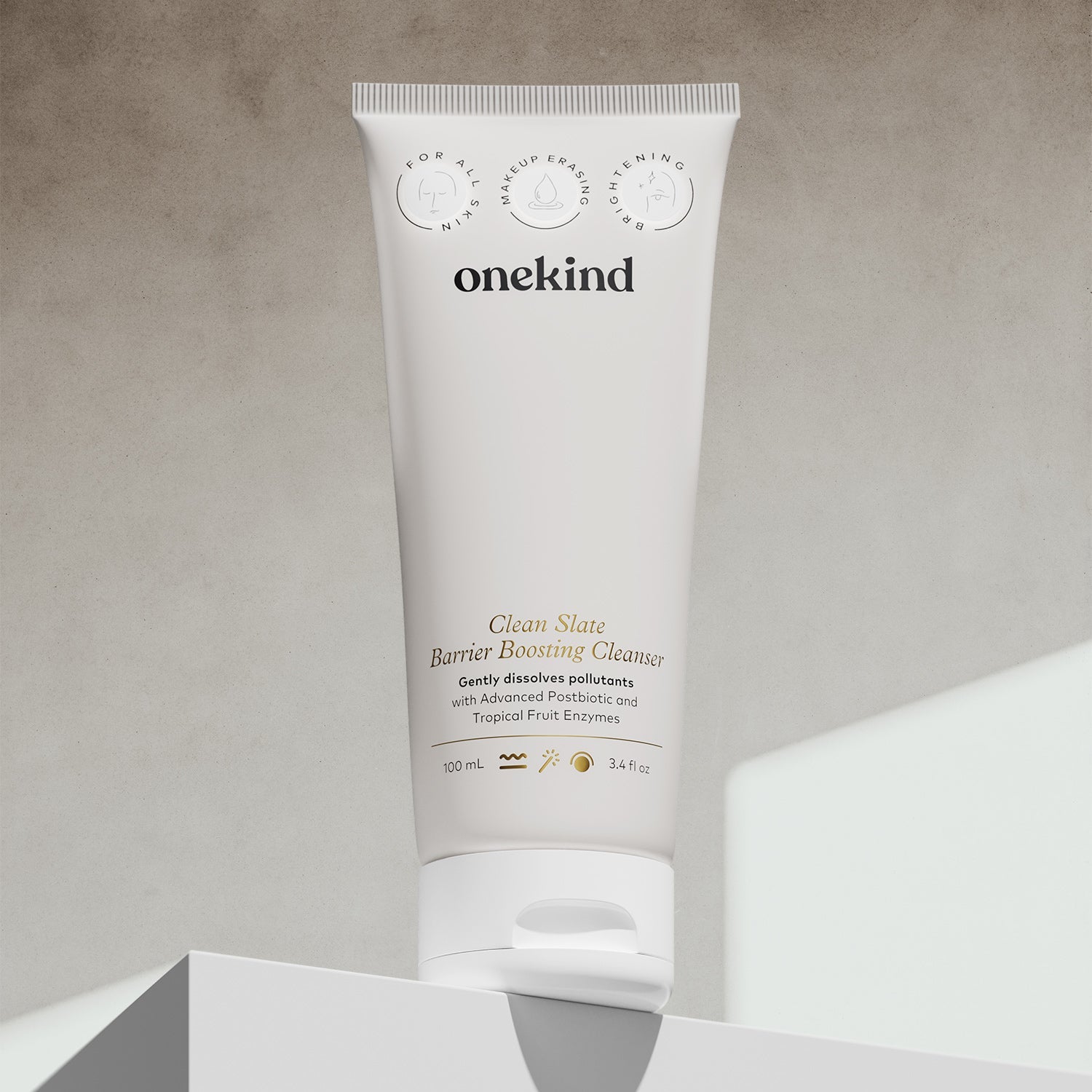
- Cleanse with a gentle cream formula
- Apply barrier recovery serum
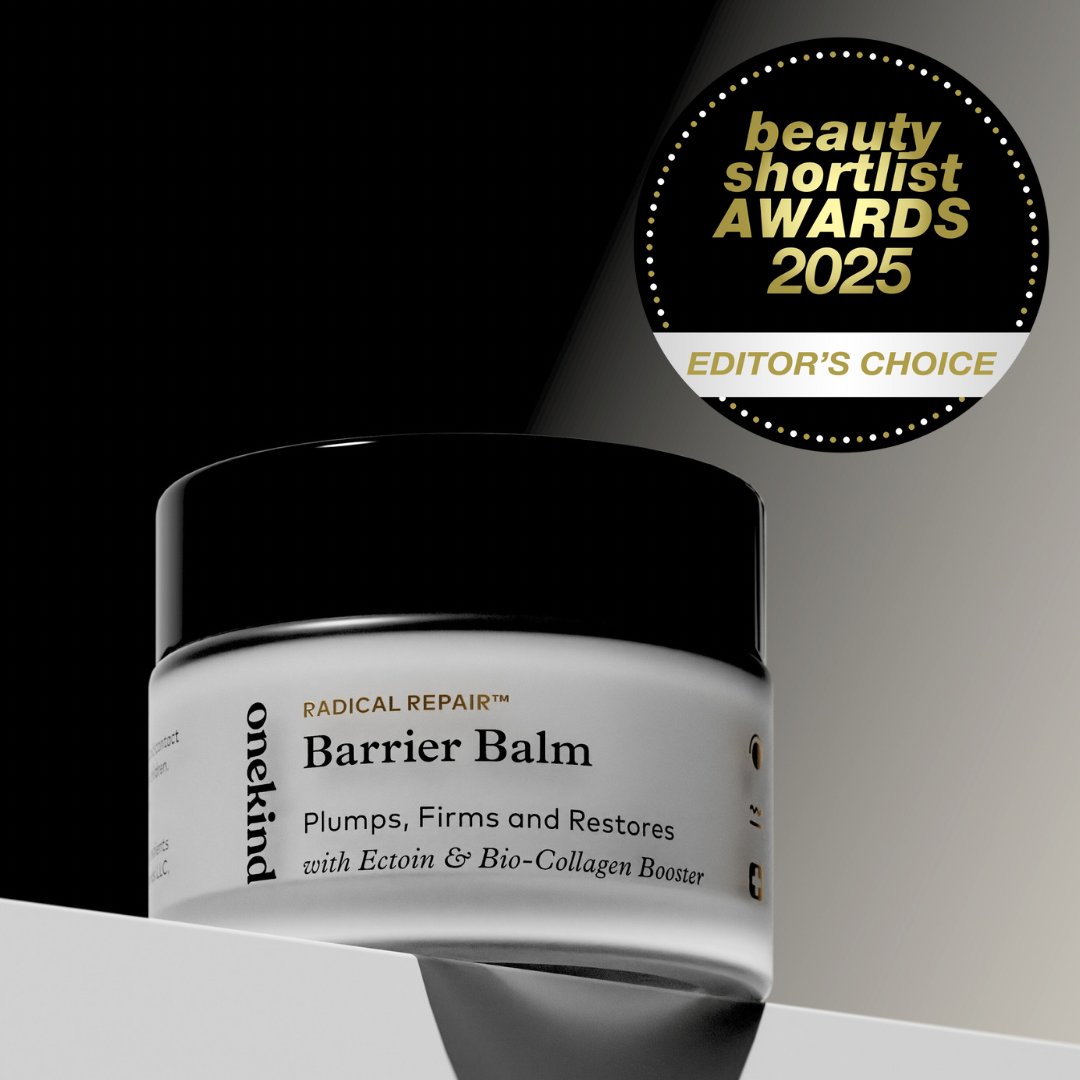
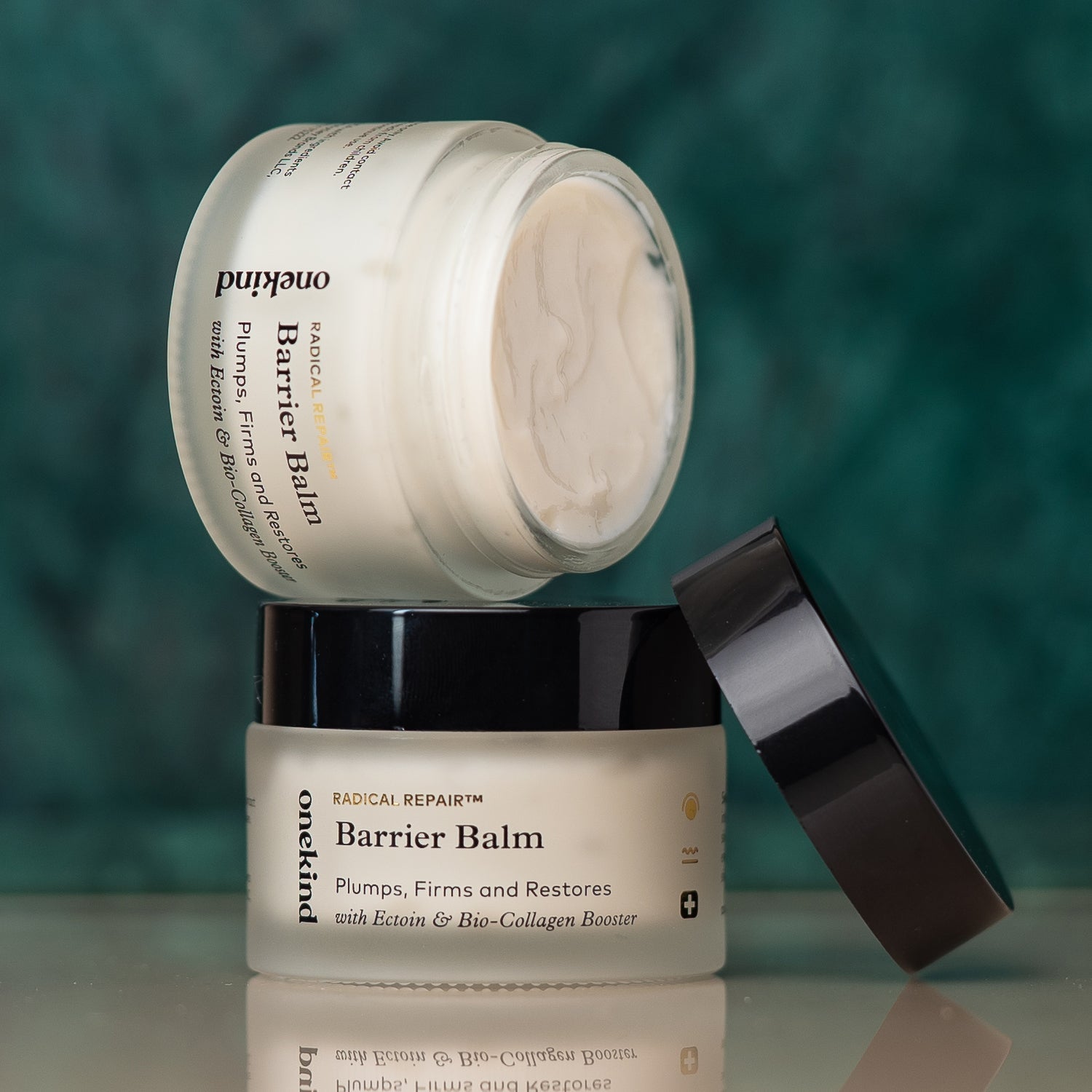
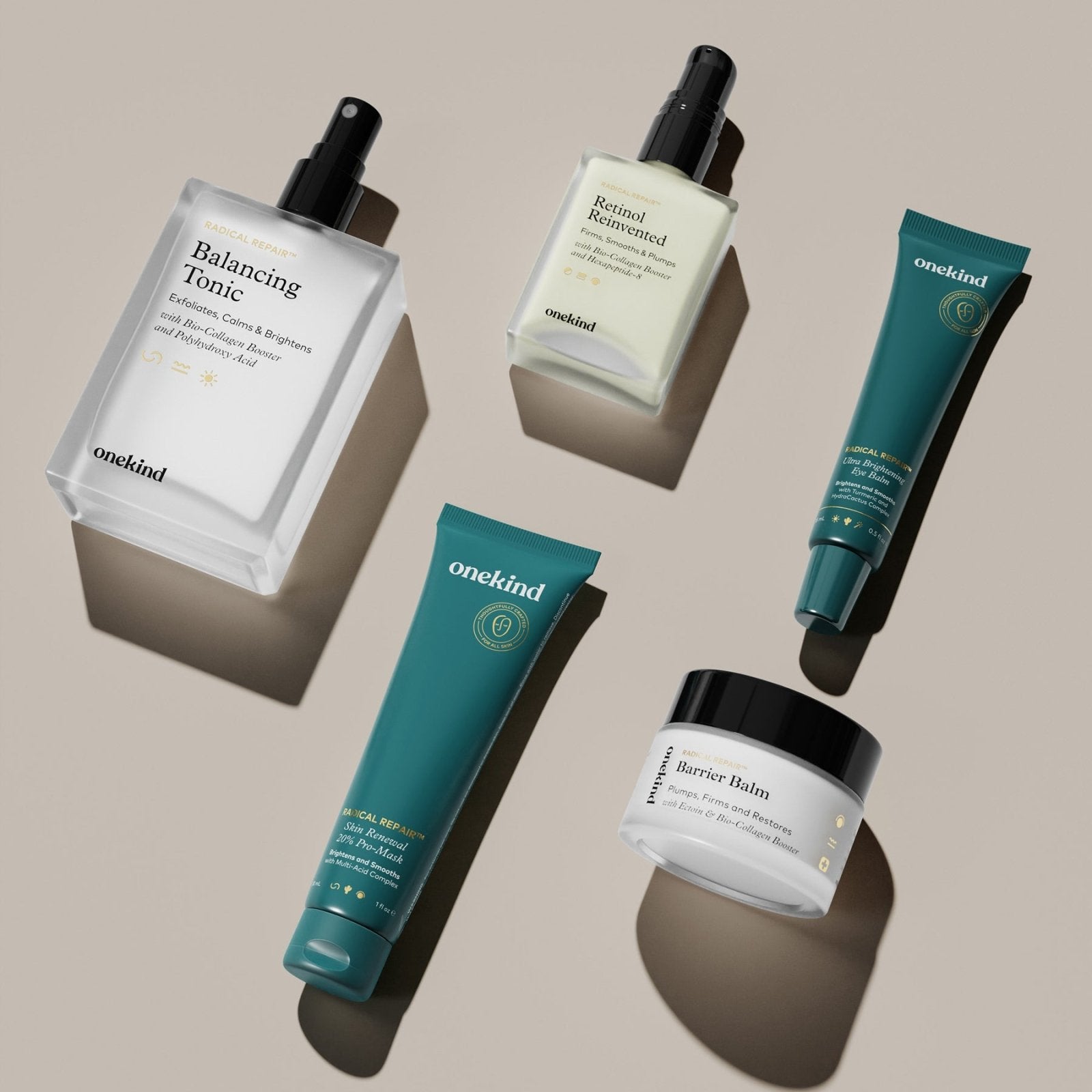
- Follow with moisturizer — or the Radical Repair® Barrier Balm if skin is severely compromised
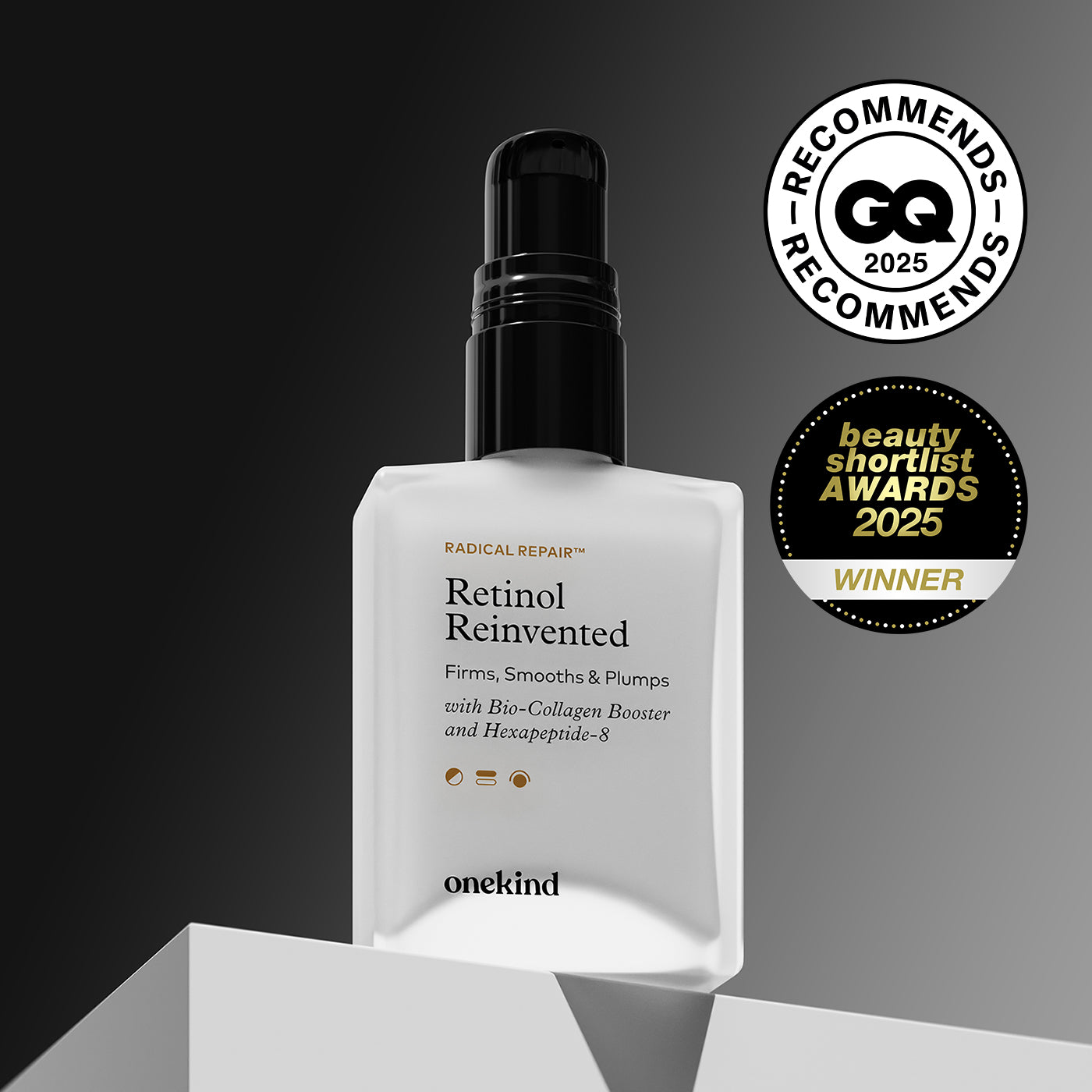
- If using retinol: apply the Radical Repair® Retinol Reinvented Serum between the barrier serum and moisturizer
During active recovery, simplify everything else. Pause exfoliants, vitamin C, and any other actives that could be adding stress. Let the barrier serum and moisturizer do their work without interference.
Our Recommendation: Radical Repair® Barrier Recovery Serum
The Radical Repair® Barrier Recovery Serum was formulated around exactly this approach — a lightweight jelly-balm texture that melts into skin, delivering fermented actives, silver ear mushroom, hydrolyzed hyaluronic acid, red maple bark extract, and the HydraCactus Complex® in a silicone-free, plant-based formula.
It's designed for daily use — morning and evening — making it effective both as an acute recovery treatment and as an ongoing support step for chronically reactive or sensitive skin. Double certified cruelty-free by Leaping Bunny and PETA.
It fits naturally into the full Radical Repair® routine alongside the Radical Repair® Nourishing Cream Cleanser, Radical Repair® Retinol Reinvented Serum, and Radical Repair® Barrier Balm — each product addressing a different layer of barrier health.
Frequently Asked Questions
What's the difference between a barrier serum and a regular hydrating serum?
A hydrating serum primarily adds moisture — typically through humectants like hyaluronic acid or glycerin. A barrier recovery serum goes further: it hydrates, but also targets the structural and microbiome factors that determine whether the skin can hold onto that moisture and resist irritation. If your skin is reactive or compromised, a standard hydrating serum won't address the root issue. A barrier recovery serum will.
Can I use a barrier recovery serum if my skin isn't currently compromised?
Yes — using it preventatively makes sense, especially if you're on a routine that includes retinol or regular exfoliation. Keeping the barrier supported proactively means it's less likely to become visibly compromised in the first place.
How long does it take to see results from a barrier recovery serum?
Visible calming effects — reduction in redness, improved comfort — are often noticeable within days for acutely stressed skin. Longer-term improvements in barrier resilience, skin texture, and overall reactivity typically become visible over 4–8 weeks of consistent use.
Can oily or blemish-prone skin use a barrier recovery serum?
Yes. The barrier can be compromised regardless of skin type — oily skin that's been over-stripped or over-exfoliated is just as susceptible to barrier damage as dry skin. A lightweight, silicone-free formula like the Radical Repair® Barrier Recovery Serum is formulated to absorb fully without heaviness or residue.
Should I use a barrier recovery serum morning and evening?
Yes, especially during active recovery. The skin's barrier repair cycle runs continuously, and keeping actives available both AM and PM supports that process more effectively than once-daily use. Once your skin has stabilized, you can assess whether once-daily use maintains results.
What should I pair with a barrier recovery serum for best results?
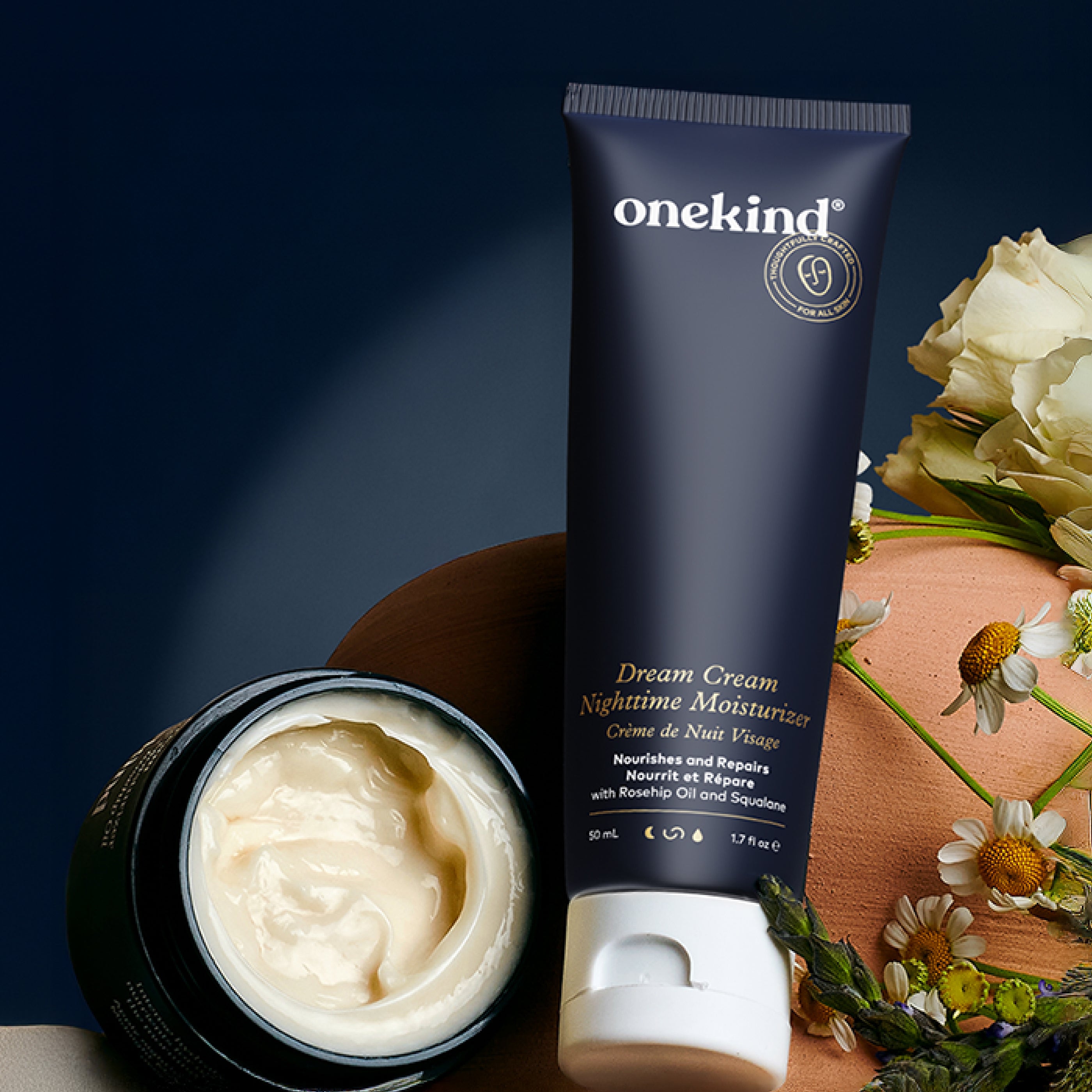
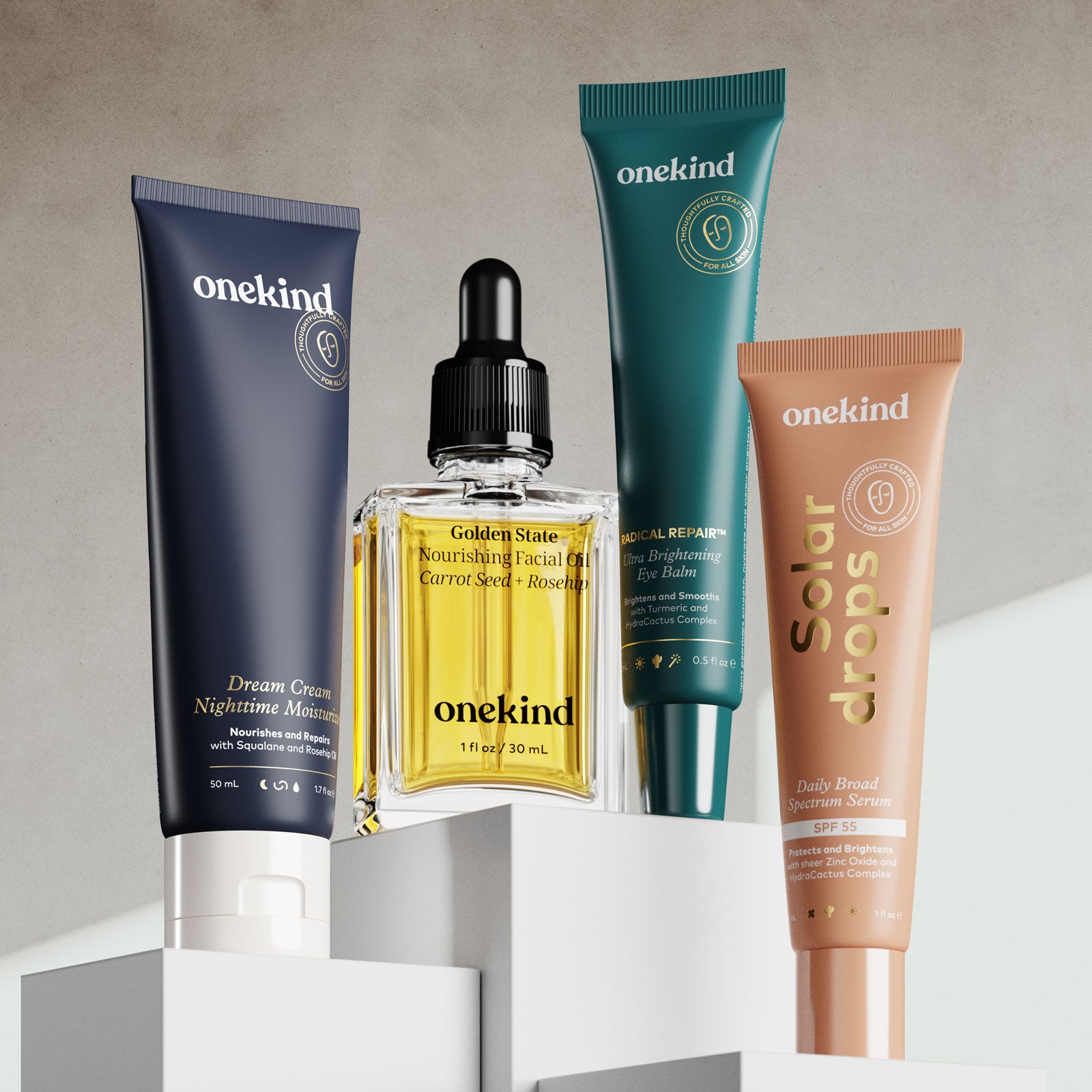
A gentle cleanser and a rich moisturizer are the core pairing. The Radical Repair® Nourishing Cream Cleanser removes without stripping, and the Dream Cream Nighttime Moisturizer seals in the hydration the serum delivers. For severely compromised skin, swap the moisturizer for the Radical Repair® Barrier Balm in the evening.
Related Reading
- Signs Your Current Cleanser Is Damaging Your Skin Barrier (And What to Switch To)
- Dream Cream vs. Barrier Balm: How to Know Which One Your Skin Actually Needs
- How to Choose a Retinol If You Have Sensitive Skin (Without the Irritation)
Written by Matt Ruggieri, Co-Founder & Head of Product Development at Onekind, with 15+ years of experience in beauty product formulation and development.