





By Matt Ruggieri, Co-Founder and Head of Product Development
That tight, pulled feeling right after you wash your face is one of the most universal skincare complaints I hear. People describe it as their skin "shrinking," feeling parched, or needing to be immediately covered in moisturizer just to feel normal again.
Here is the thing: it is not a sign of clean skin. It is a sign that your cleanser just stripped something it should not have.
What That Tight Feeling Actually Means
The tightness you feel after washing is not just dryness. It is a physical signal that the outermost layer of your skin, called the stratum corneum, has been compromised.
The stratum corneum is your skin barrier. Its job is to retain moisture and keep irritants out. It does this through a combination of skin cells (corneocytes) bound together by a lipid matrix: a mix of ceramides, fatty acids, and cholesterol that acts like mortar between bricks. Sitting inside and around those cells is the Natural Moisturization Factor (NMF), a collection of water-soluble compounds including amino acids, lactic acid, and urea that pull and hold water within the skin.
When a cleanser strips the lipid matrix or depletes the NMF, moisture escapes faster than usual. Skin loses its flexibility. The tight, uncomfortable sensation you feel within seconds of patting your face dry is moisture loss happening in real time.
The Main Reason It Happens: Sulfates
The most common cause of post-cleanse tightness is the surfactant system in your cleanser. Most mass-market foaming cleansers rely on Sodium Lauryl Sulfate (SLS) or Sodium Laureth Sulfate (SLES) to produce lather. These ingredients are highly effective at removing oil. They are also highly effective at removing things you do not want removed, including the lipids in your skin barrier and the components of your NMF.
SLS in particular has been studied extensively for its skin irritation profile. It disrupts the lipid organization in the stratum corneum, making it more permeable and more prone to water loss. That permeability is exactly what you are feeling when your skin feels tight: water is evaporating out faster than usual because the barrier that holds it in has been compromised.
SLES is a milder version of SLS, but still strips the barrier at regular use concentrations. Both are worth checking for on any cleanser label before you buy.
Other Causes Worth Knowing
Sulfates are the most likely culprit, but they are not the only one.
Water Temperature
Hot water disrupts the lipid barrier much the same way harsh surfactants do. It temporarily increases skin permeability, which means more moisture loss both during and after the cleanse. Lukewarm water is the right call: warm enough to dissolve oil and product, cool enough not to compromise the barrier in the process.
Over-Cleansing
Washing twice daily with a stripping cleanser compounds the damage. The barrier needs time to replenish its lipids after each cleanse. If your cleanser strips in the morning and again at night, the barrier is in a constant state of compromise with no real opportunity to recover.
Incomplete Rinsing
Surfactant residue left on the skin continues to disrupt the barrier after you pat dry. A thorough rinse matters, particularly with foaming products.
What Comes After the Cleanser
If your skin feels tight but you are already using a gentle cleanser, the product applied directly after may be the issue. High-alcohol toners used immediately on cleansed skin are a common secondary cause of that stripped feeling.
How to Tell If Your Cleanser Is the Problem
The easiest test is a timing test. Wash your face, skip everything that follows, and wait three minutes. If your skin feels tight or visibly dry within that window, the cleanser is stripping.
A cleanser working correctly will leave your skin feeling clean and reasonably comfortable before you apply anything else. It should not feel like your first act after rinsing is damage control.
If you regularly feel like you need to apply moisturizer within 30 seconds of patting dry just to feel normal, that is not a moisturizer problem. That is a cleanser problem.
What a Non-Stripping Cleanser Actually Looks Like
Switching away from a sulfate-heavy cleanser is the most impactful single change most people can make. But not all sulfate-free cleansers are built the same, and "sulfate-free" alone does not tell you much about what is actually in the formula. Here is what to look for:
A Mild Multi-Surfactant System
The gentlest cleansers use combinations of surfactants rather than one high-concentration harsh surfactant. Sugar-based glucosides (like Lauryl Glucoside and Decyl Glucoside), amino acid-derived surfactants (like Sodium Methyl Cocoyl Taurate), and coconut-derived amphoteric surfactants (like Cocamidopropyl Hydroxysultaine) all cleanse effectively while being significantly more respectful of the skin barrier. Look for these on the ingredient list as indicators that the formulator chose mild over aggressive.
Humectants Built Into the Formula
A cleanser that includes hydrating ingredients like Glycerin, Panthenol (Vitamin B5), or Hydrolyzed Hyaluronic Acid is doing more than cleaning. It is actively replenishing moisture as it works. In a rinse-off product, molecular size matters: Hydrolyzed Hyaluronic Acid, for example, has a smaller molecular weight than standard sodium hyaluronate, which allows it to work below the skin's surface layer even within the short contact time of a cleanse.
A Moisture Binder That Stays on Skin After Rinsing
This is where formulation technology has made the most meaningful advances. Standard humectants rinse away with water. Pentavitin® (Saccharide Isomerate) is a plant-derived compound that bonds directly to the keratin proteins in the outer skin layers rather than simply sitting on the surface. Because the bond is physical, it is not broken by water. The hydrating effect stays on your skin after you rinse, which is why you can feel an immediate difference compared to a conventional cleanser.
A Barrier-Calming Active
For anyone with reactive or sensitive-leaning skin, an ingredient that helps visibly calm redness and support the skin barrier during the cleanse can make a meaningful difference in how skin looks and feels afterward. Plant-derived extracts with demonstrated soothing properties, like prickly pear cactus, are worth looking for in a cleanser designed for daily use.
Why We Built the Radical Repair® Nourishing Cream Cleanser the Way We Did
Every formulation decision in the Radical Repair® Nourishing Cream Cleanser was made with this exact problem in mind.
The surfactant system is entirely sulfate-free. The cream-to-lather formula uses a blend of sugar-based glucosides, an amino acid-derived surfactant, and a coconut-derived amphoteric surfactant. Together they create a genuine lather that removes waterproof makeup, SPF, and daily buildup without stripping the barrier lipids that keep your skin feeling comfortable after washing.
The formula also includes three humectant actives that keep working after you rinse:
- Pentavitin® (Saccharide Isomerate) bonds directly to skin proteins and remains on skin through the rinse, keeping skin feeling hydrated and balanced long after washing.
- Hydrolyzed Hyaluronic Acid works below the skin surface to help skin retain moisture from within, in a molecular form specifically suited to rinse-off contact time.
- Panthenol (Vitamin B5) draws moisture to the skin and helps support the appearance of softness and smoothness during and after cleansing.
HydraCactus Complex®, Onekind's proprietary blend of prickly pear cactus extract and desert date oil, helps calm the look of redness and supports a balanced, resilient-looking skin barrier with every wash. For anyone whose skin tends to look reactive or irritated after cleansing, this is the ingredient doing the most visible work in the rinse window.
The result is skin that feels genuinely clean without the tight, stripped sensation. Wash, rinse, dry your face, and your skin will feel balanced rather than like it is waiting for emergency moisturizer.
A Note on Double Cleansing
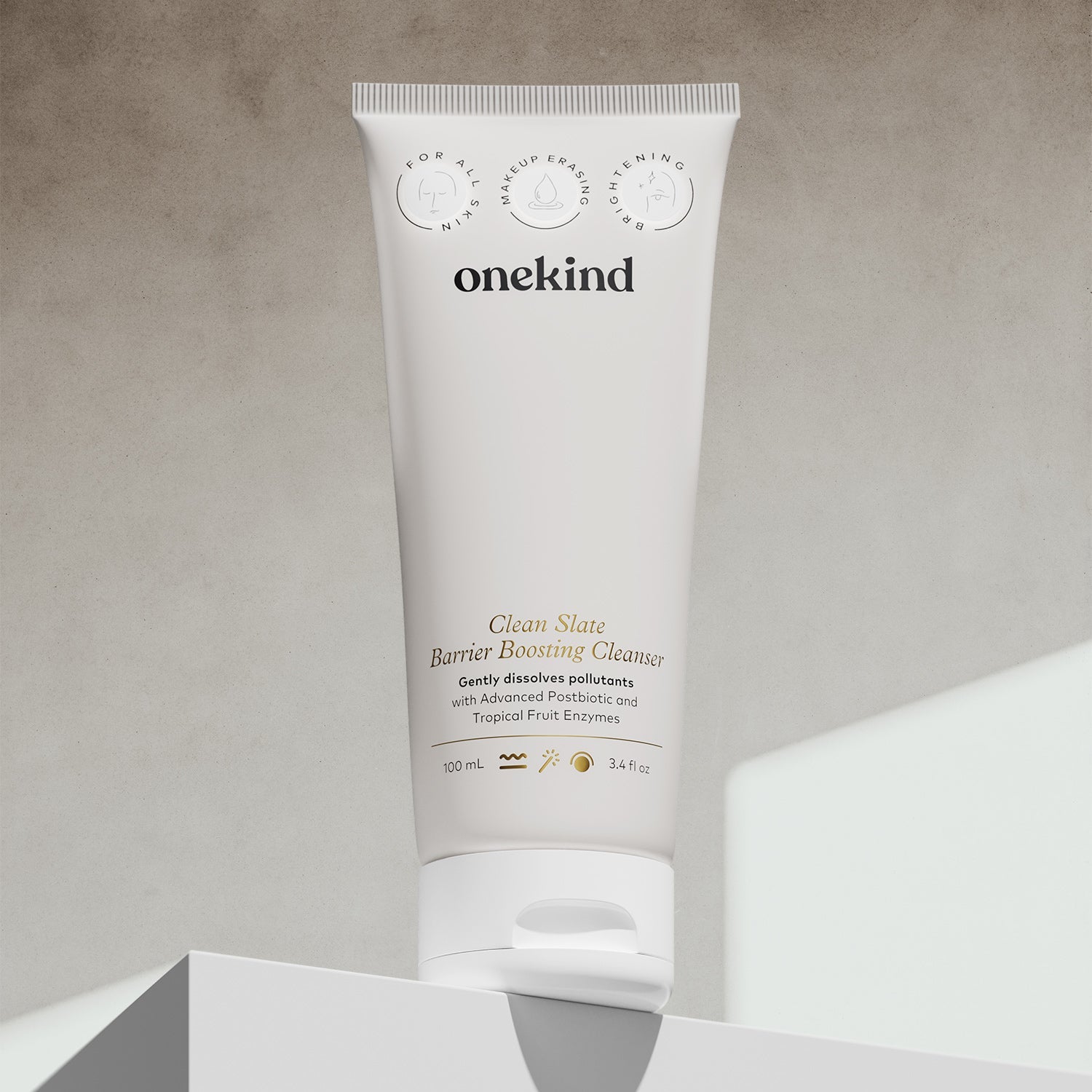
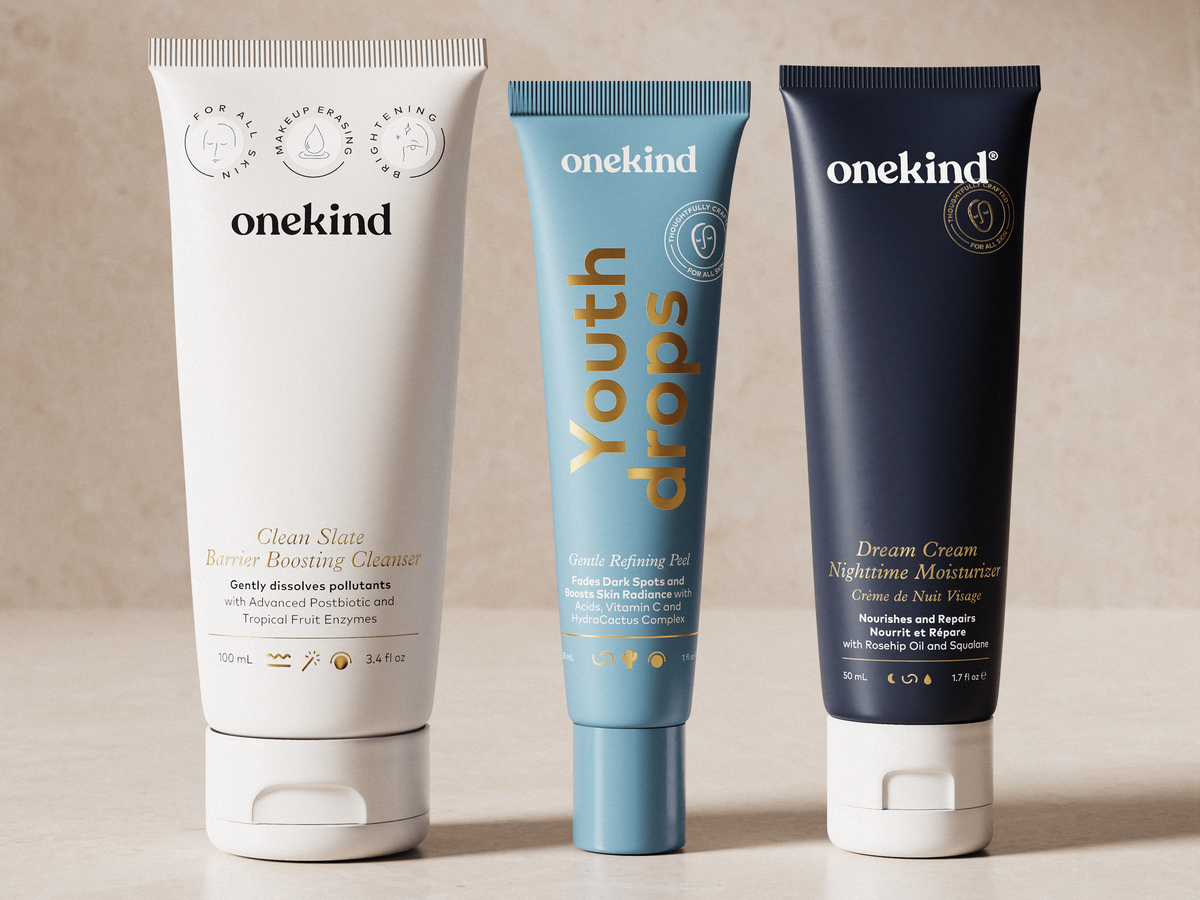
If you wear makeup or SPF daily, a double cleanse at night is worth adding to your routine. The Clean Slate Barrier Boosting Cleanser works well as a first cleanse: its non-foaming, oil-based emollient formula melts away surface buildup before you follow with the Radical Repair® Nourishing Cream Cleanser as your second cleanse. When your second cleanser is working on already-cleared skin, less surfactant work is required, which makes the entire process gentler on the barrier.
Frequently Asked Questions
Why does my face feel tight and dry after washing?
Tight skin after washing is almost always caused by a cleanser that strips the skin barrier. The most common culprits are Sodium Lauryl Sulfate (SLS) or Sodium Laureth Sulfate (SLES), which are aggressive surfactants that remove not just dirt and oil but also the natural lipids and moisture-binding compounds your skin needs to stay comfortable. Switching to a sulfate-free cleanser with humectant actives built into the formula typically resolves the problem within a few uses.
Is tightness after cleansing a sign that your skin is clean?
No. This is one of the most persistent myths in skincare, and it is worth correcting. Tightness is not a signal of cleanliness. It is a signal of barrier disruption. A well-formulated cleanser removes impurities without removing the lipids and moisture-retaining compounds your skin needs to feel comfortable. Clean skin and comfortable skin are not opposites. A good cleanser delivers both.
What ingredients in a cleanser cause skin to feel tight?
Sodium Lauryl Sulfate (SLS) and Sodium Laureth Sulfate (SLES) are the most common causes. High concentrations of ethanol (alcohol) in a formula can also strip the barrier. Some older-style cleansing soaps with a high pH disrupt the acid mantle, which contributes to the tight feeling as well. On a cleanser label, look for sulfate-free surfactant alternatives like Cocamidopropyl Hydroxysultaine, Decyl Glucoside, Lauryl Glucoside, or Sodium Cocoyl Isethionate as signs that the formulator prioritized barrier gentleness.
How do I stop my face feeling tight after washing?
Switch your cleanser first. Choose a sulfate-free formula with humectants included (Glycerin, Panthenol, Hydrolyzed Hyaluronic Acid) so the cleanser is actively replacing moisture as it cleans rather than just removing it. Also check your water temperature: hot water increases skin permeability and contributes to the tight feeling. Lukewarm water is enough. If you are double cleansing, using a gentler oil-based first cleanse reduces the surfactant load on the barrier overall.
Can a cleanser actually hydrate skin while cleansing?
Yes, when the right ingredients are included in the formula. Standard cleansers cleanse and rinse, leaving nothing behind. A well-formulated hydrating cleanser includes humectants with the right molecular weight to work within the contact time of a rinse-off product, and ideally a moisture-binding ingredient like Pentavitin® (Saccharide Isomerate) that bonds to skin proteins and stays on skin after rinsing. The Radical Repair® Nourishing Cream Cleanser is formulated specifically around this principle: Pentavitin®, Hydrolyzed Hyaluronic Acid, and Panthenol work together so that the cleansing step actively supports skin hydration rather than depleting it.
Is tight skin after cleansing worse for certain skin types?
Yes. People with dry, dehydrated, or sensitive skin tend to feel the effects of a stripping cleanser most acutely, because their baseline barrier function is already reduced. However, combination and even oily skin types can experience barrier disruption from harsh cleansers. Over-stripping oily skin often triggers a rebound oil production response, where the skin compensates for the loss of surface lipids by producing more sebum. A non-stripping cleanser is the right call for every skin type, not just dry or sensitive skin.
Should I moisturize immediately if my skin feels tight after cleansing?
Yes, but the better long-term answer is to fix the cleanser. Applying moisturizer immediately after cleansing will relieve the discomfort, but you are managing a symptom rather than addressing the cause. A cleanser that strips your barrier requires more moisturizer to compensate, and skin in a constantly disrupted state is more reactive and less resilient over time. The right cleanser should leave your skin comfortable enough that moisturizer feels like a choice rather than an emergency.
Does water temperature affect skin tightness after washing?
Yes, significantly. Hot water increases skin permeability by temporarily disrupting the lipid matrix in the stratum corneum, which means more moisture escapes both during and after the cleanse. Lukewarm water is the recommended temperature for face washing: effective at loosening oil and product without the barrier disruption that comes with heat. Finishing with a brief cool rinse can help close pores and leave skin feeling calm.
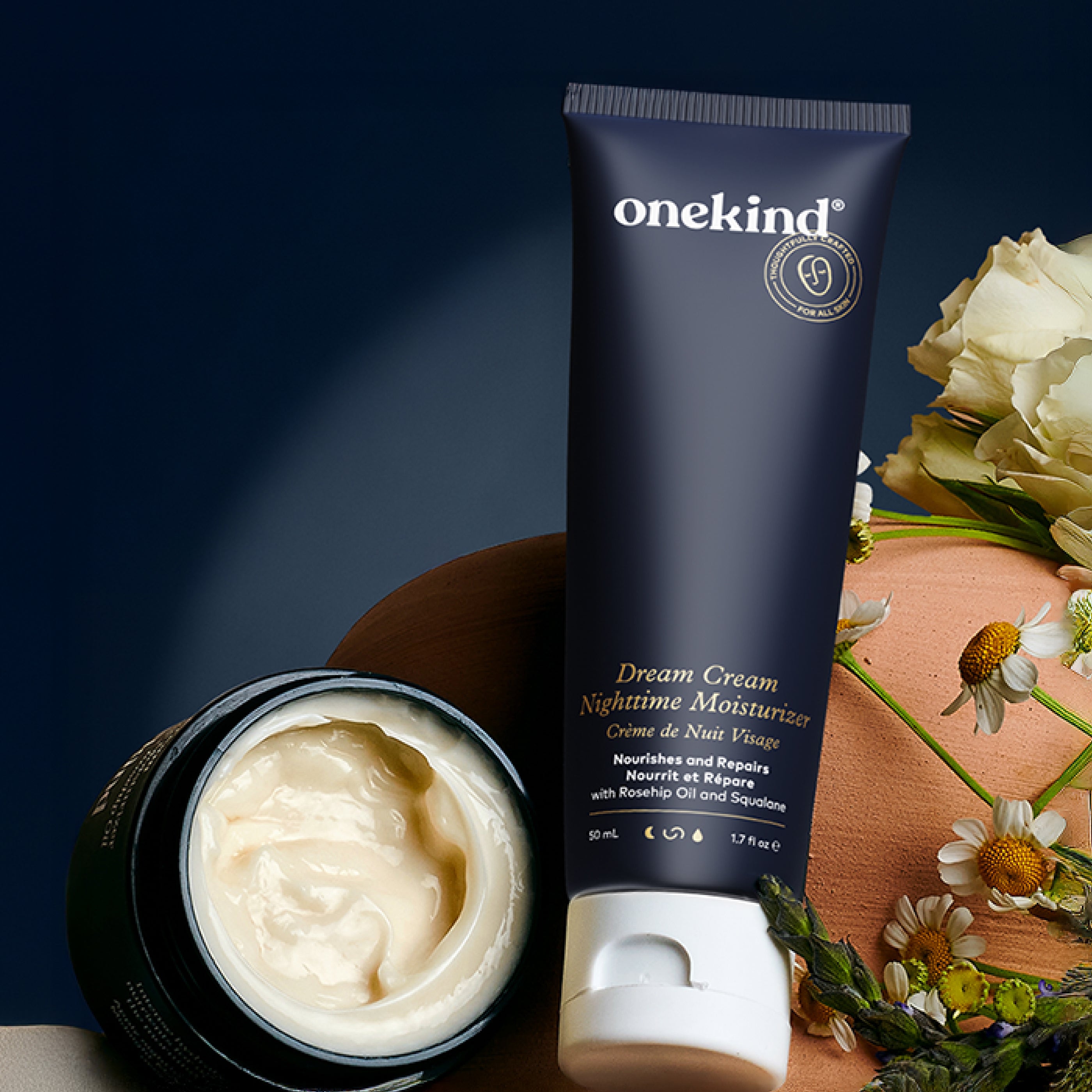
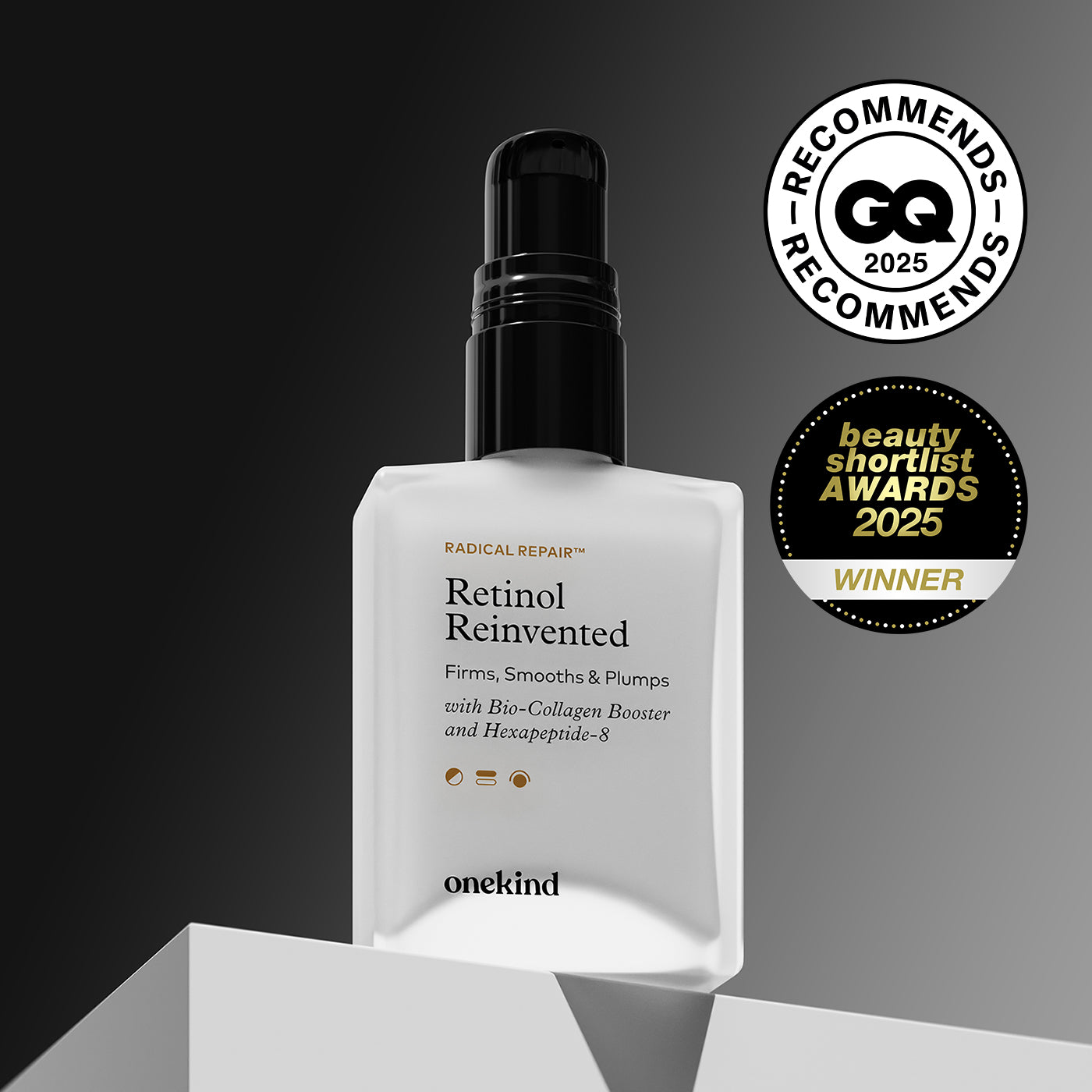
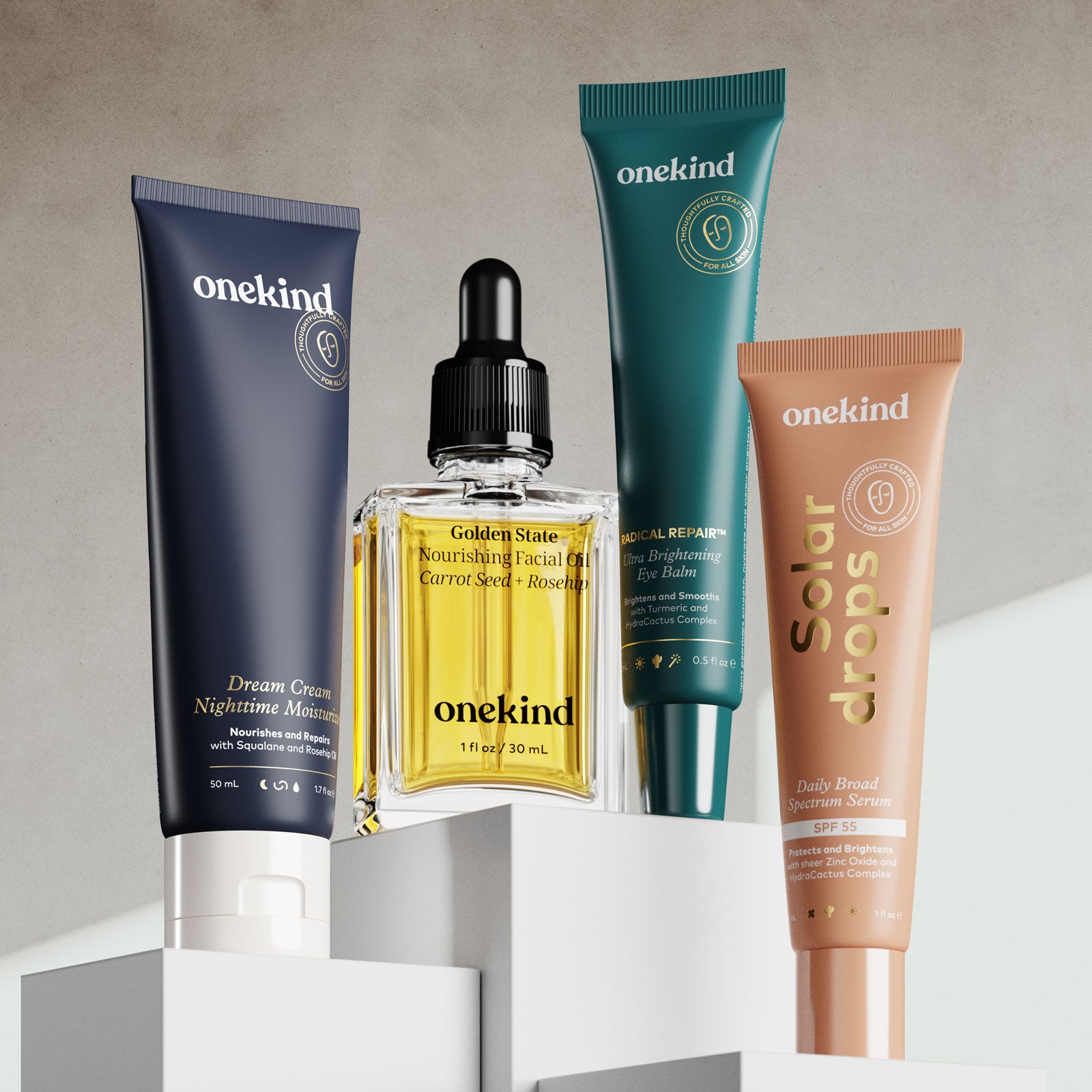
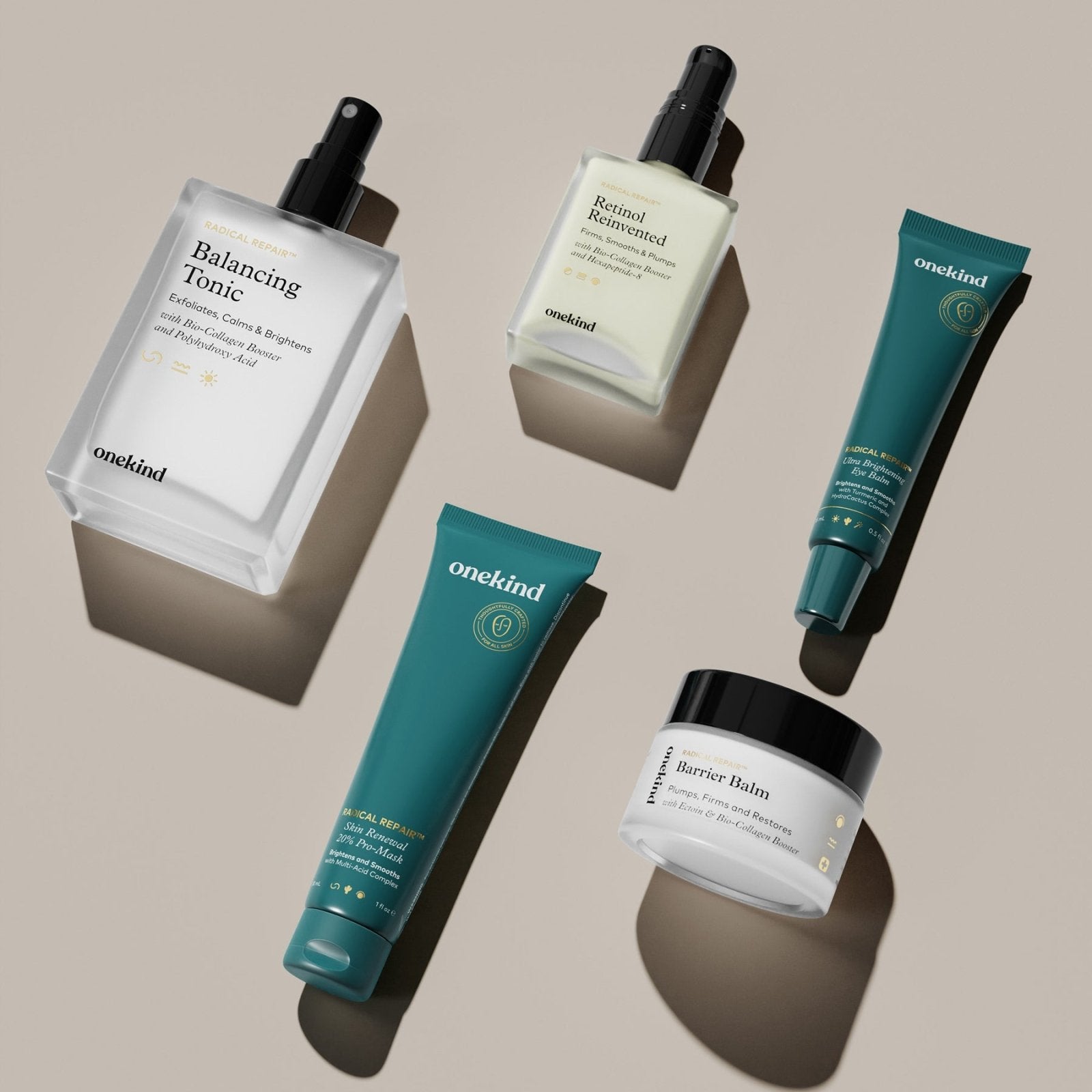
Pairing a gentle cleanser with the right follow-up routine makes the biggest difference for skin that tends to feel tight. The Dream Cream Nighttime Moisturizer layers over cleansed skin without heaviness, sealing in moisture while you sleep. And if retinol is part of your routine, the Radical Repair® Retinol Reinvented Serum uses a time-released system formulated specifically for sensitive skin — so it works overnight without stripping moisture or causing tightness.
Written by Matt Ruggieri, Co-Founder & Head of Product Development at Onekind, with 15+ years of experience in beauty product formulation and development.