






By Matt Ruggieri, Co-founder & Head of Product Development, Onekind
Quick Answers
Do you actually need a separate night cream?
Not always — but there are real reasons night-specific formulas work differently. Skin goes into repair mode after dark, barrier function slows down, and transepidermal water loss increases while you sleep. A well-formulated night cream is designed to work with those biological shifts, not against them. A daytime moisturizer with SPF and lightweight texture isn't optimized for the same job.
What ingredients should a good night cream have?
Look for ingredients that support skin barrier repair (ceramides, squalane, fatty acids), lock in moisture overnight (hyaluronic acid, glycerin), and help with cell turnover if your skin tolerates it (retinol, peptides, AHAs). For sensitive skin specifically, avoid heavy fragrance as it can disrupt barrier function while you sleep.
Is night cream just a heavier moisturizer?
The best ones are more than that. Thickness alone doesn't make a night cream effective - a thick, occlusive cream might just trap existing moisture without adding anything. What distinguishes a good night cream is the combination of actives that work with your skin's overnight repair cycle plus a texture that stays on skin long enough to let them absorb fully.
When should you apply night cream?
Last step in your evening routine, after any serums or treatments. Apply to slightly damp skin if possible - after cleansing, apply serums, wait 60 seconds, then apply your night cream while skin is still slightly moist. The moisture helps the cream absorb more evenly and the ingredients penetrate more effectively.
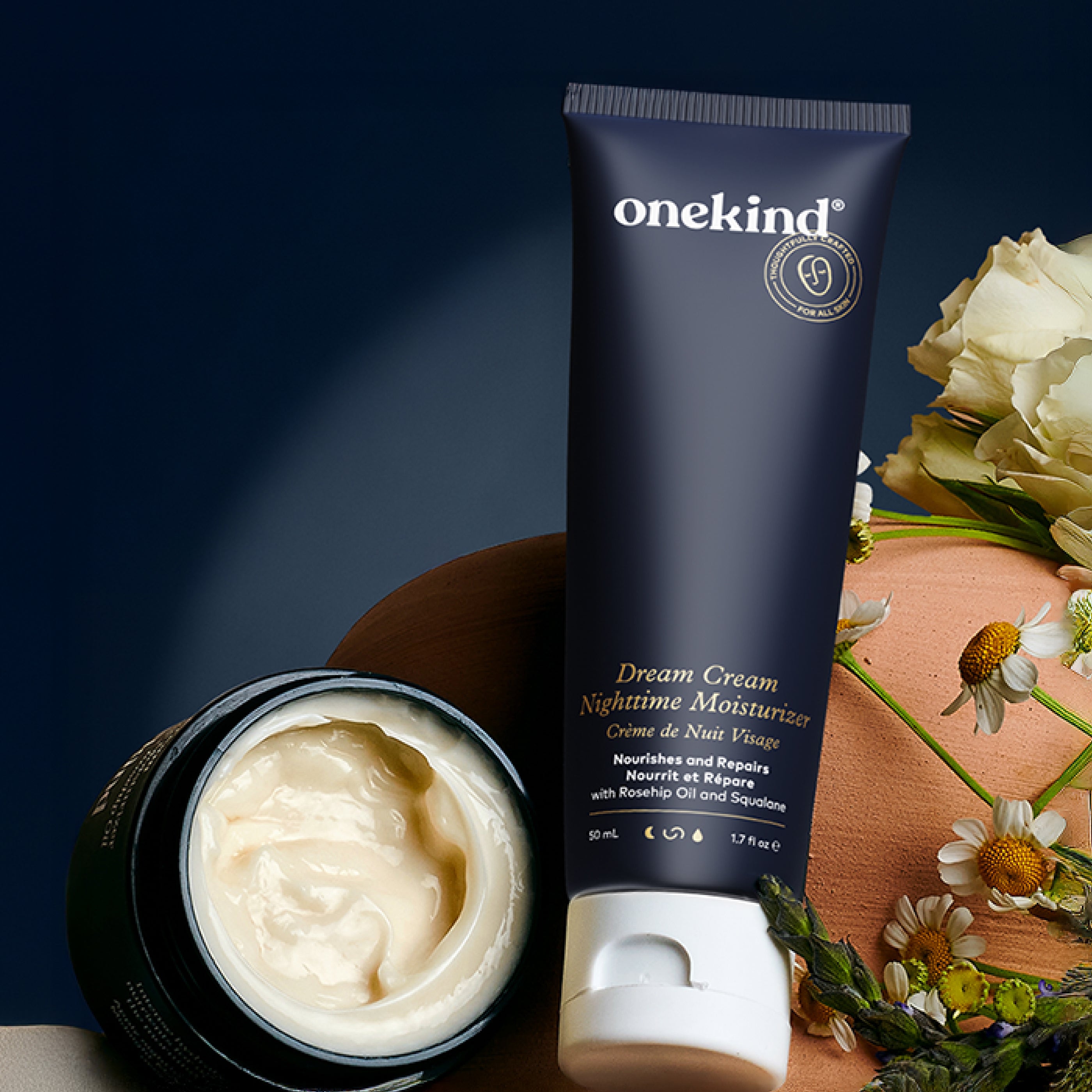
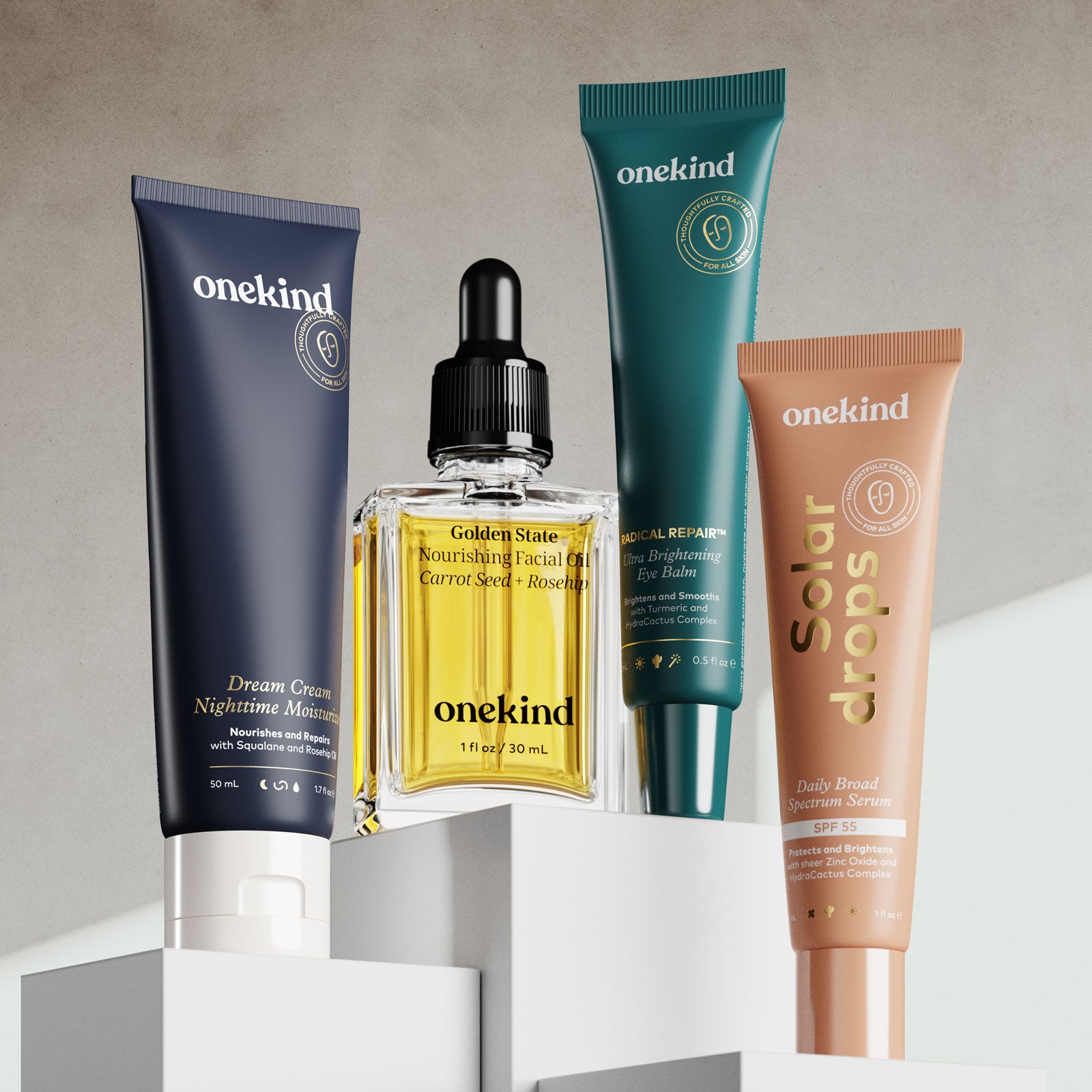
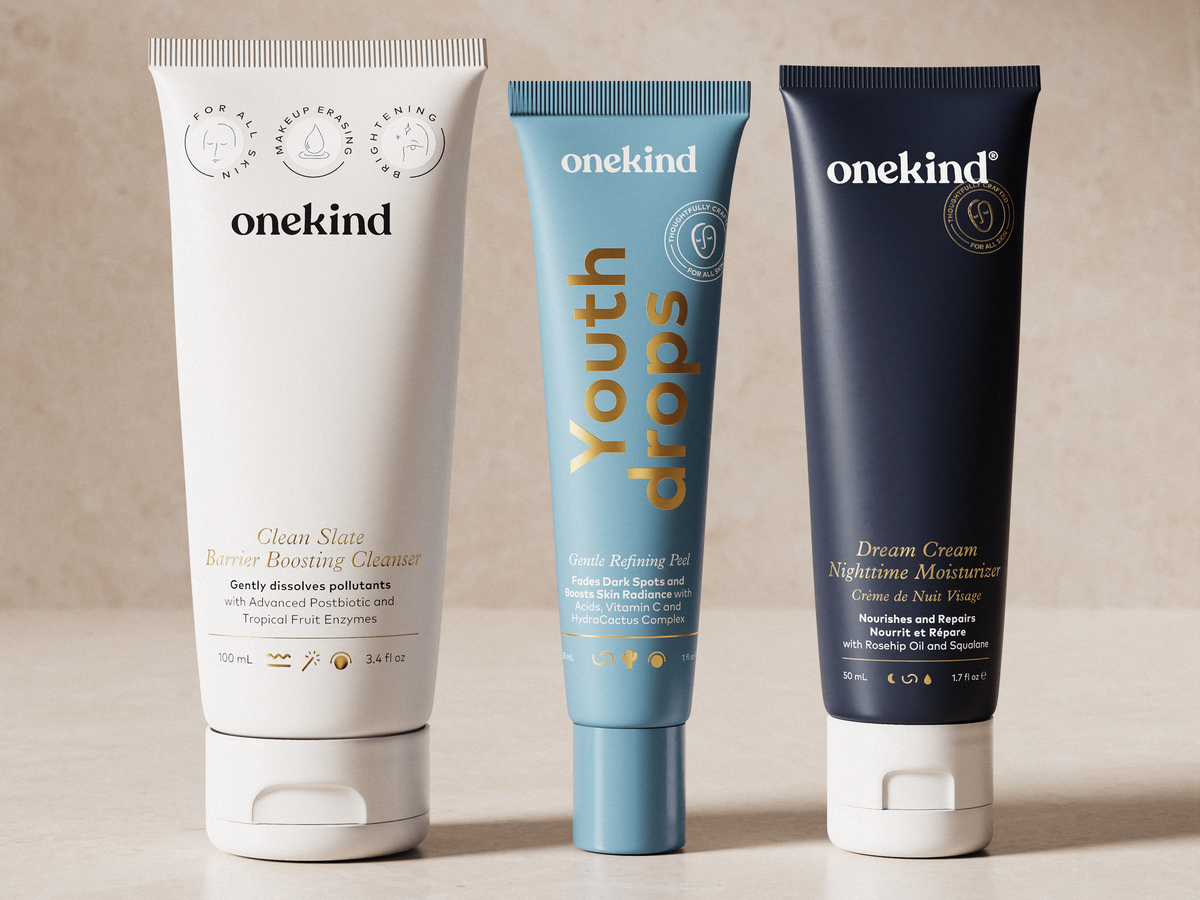
When I started formulating Dream Cream Nighttime Moisturizer, I kept running into the same frustration: most night creams on the market are either too heavy, full of fragrance, or built around a single hero ingredient that does one thing well and ignores everything else. They're designed to feel luxurious at the moment of application, thick, rich, expensive-smelling, without much thought given to what skin actually needs over the eight hours it's on your face.
I wanted to understand the problem from the ground up. What does skin actually do at night? What ingredients address those needs most effectively? And what gets in the way?
Here's what I learned.
What Your Skin Is Actually Doing While You Sleep
The night shift in skincare isn't marketing language. There are real biological changes that happen when you're asleep that make overnight hydration work differently than anything you apply during the day.
Repair mode kicks in. Skin cell turnover peaks between 11pm and 4am. This is when your skin is doing the most active work of shedding dead cells, producing new ones, and repairing micro-damage from UV exposure, pollution, and everyday friction. Ingredients that support that process like peptides, gentle retinoids have more to work with at night than during the day.
Water loss increases. Transepidermal water loss (TEWL), the passive evaporation of water through the skin barrier, is measurably higher at night. Your skin is losing moisture while you sleep, and the drier and more compromised your barrier is, the more it loses. A good night cream addresses this directly: not just adding moisture, but slowing the rate at which it escapes.
No SPF interference. Daytime moisturizers with sun protection are inherently a compromise. The SPF filters occupy formulation space that could otherwise hold actives, and some actives (like retinoids) degrade in sunlight anyway. At night, that constraint disappears. You can formulate for repair and hydration without working around SPF compatibility.
You're not moving. This sounds obvious but it matters. When you apply a daytime moisturizer, it has to survive eight hours of sweat, touch, expression, and environmental exposure. A night cream goes on clean skin, stays relatively undisturbed, and has the full night to absorb. Richer textures and slower-absorbing actives make more sense here.
The Ingredients That Actually Matter
Every skincare brand will tell you their night cream has the best ingredients. Here's how I actually think about what belongs in a formula like Dream Cream.
Barrier Support: The Foundation
Your skin barrier, the outermost layer, is what determines whether everything else works. A compromised barrier doesn't just let moisture out; it lets irritants in, makes skin reactive, and undermines every active you apply on top of it. If the barrier isn't healthy, the most expensive serum in the world doesn't fully penetrate.
For barrier support, I look for squalane (an emollient that closely mimics skin's natural sebum) and fatty acid-rich plant oils. These aren't exciting ingredients. They don't have a good brand story. But they're the foundation everything else is built on, and most night creams underinvest in them in favor of trendier actives.
Dream Cream Nighttime Moisturizer has squalane and oat beta-glucan as core ingredients. Not as supporting cast — as a genuine foundation.
Hydration: Beyond Hyaluronic Acid
Hyaluronic acid became the skincare industry's favorite hydration story because it's easy to explain: it holds up to 1,000 times its weight in water. That's a compelling number. And hyaluronic acid genuinely works — in the right environment, on the right skin, applied correctly.
But it's not the whole picture. Hyaluronic acid is a humectant — it draws moisture to the skin from the environment. In dry climates or dry indoor air, it can actually pull moisture out of the deeper layers of skin if there's nothing in the environment to draw from. You need occlusives and emollients alongside it to seal that moisture in.
In Dream Cream, we use a combination of humectants (including hyaluronic acid) alongside squalane and plant oils that help lock moisture at the skin surface overnight. The combination is more effective than any single ingredient alone.
Actives: What Helps, What Hypes
This is where night creams get complicated. The market has fragmented into retinol creams, peptide creams, AHA creams, vitamin C creams — each one optimizing for a specific active and positioning it as the answer to everything.
Retinol genuinely works for helping smooth the appearance of fine lines over time. Peptides genuinely help support collagen and firmness. AHAs genuinely exfoliate. But none of them work if your barrier is compromised, and overloading a formula with actives often creates more irritation than benefit — especially for sensitive skin.
My philosophy for Dream Cream Nighttime Moisturizer was to build barrier support and hydration first, then layer in actives that are effective but gentle enough to use nightly without irritation. The result is a formula that's appropriate for most skin types, including sensitive skin, without sacrificing efficacy for people who want visible results over time.
What Most Night Creams Get Wrong
After years of formulating and an embarrassingly large budget spent testing competitors, a few failure patterns stand out consistently.
Fragrance. Synthetic fragrance is the most common disruptive ingredient in night creams. It smells good at the counter. It makes the product feel premium. And it's genuinely problematic for barrier function — fragrance ingredients are among the most common causes of contact dermatitis, and applying them to skin overnight, when barrier function is already more permeable, is the worst possible timing. Dream Cream is free of synthetic fragrance. That's not a marketing claim — it's a formulation decision I made specifically because of this.
Texture theater. A lot of night creams are formulated to feel rich and indulgent at the point of application — very thick, very slow to absorb, often slightly greasy. The assumption is that consumers equate richness with efficacy. But a cream that sits on the surface of skin rather than absorbing isn't delivering its actives where they need to go. Dream Cream has a lightweight-but-nourishing texture that absorbs fully within a few minutes. You should wake up with soft, hydrated skin — not a residue on your pillow.
Over-engineered actives stacking. More isn't always better. I've seen competitor formulas with eight or ten active ingredients, all at sub-clinical concentrations, none of them at the dose that makes them effective. It's a label play — the ingredient is on the list, so you can make the claim. We take the opposite approach: fewer actives, at doses that actually work, formulated to be compatible with each other.
Sensitive Skin and Night Creams: A Special Case
If you have sensitive, reactive, or compromised skin, the night cream category requires extra scrutiny. The same properties that make overnight skincare effective — longer contact time, more permeable barrier, no opportunity to rinse off — also make it easier for the wrong ingredients to cause problems.
I formulated Dream Cream Nighttime Moisturizer with sensitive skin as the primary use case, not an afterthought. That means:
- No synthetic fragrance (the most common trigger for sensitive skin reactions)
- A pH-balanced formula that doesn't disrupt the skin's natural acid mantle
- Layers cleanly over retinol serums, vitamin C, and AHAs without counteracting them
Sensitive skin doesn't mean you have to give up on actives or effective hydration. It means the formula needs to earn that skin's trust first — and barrier support is how you do that.
How to Actually Use a Night Cream Effectively
Application matters more than most people realize. A few things that make a real difference:
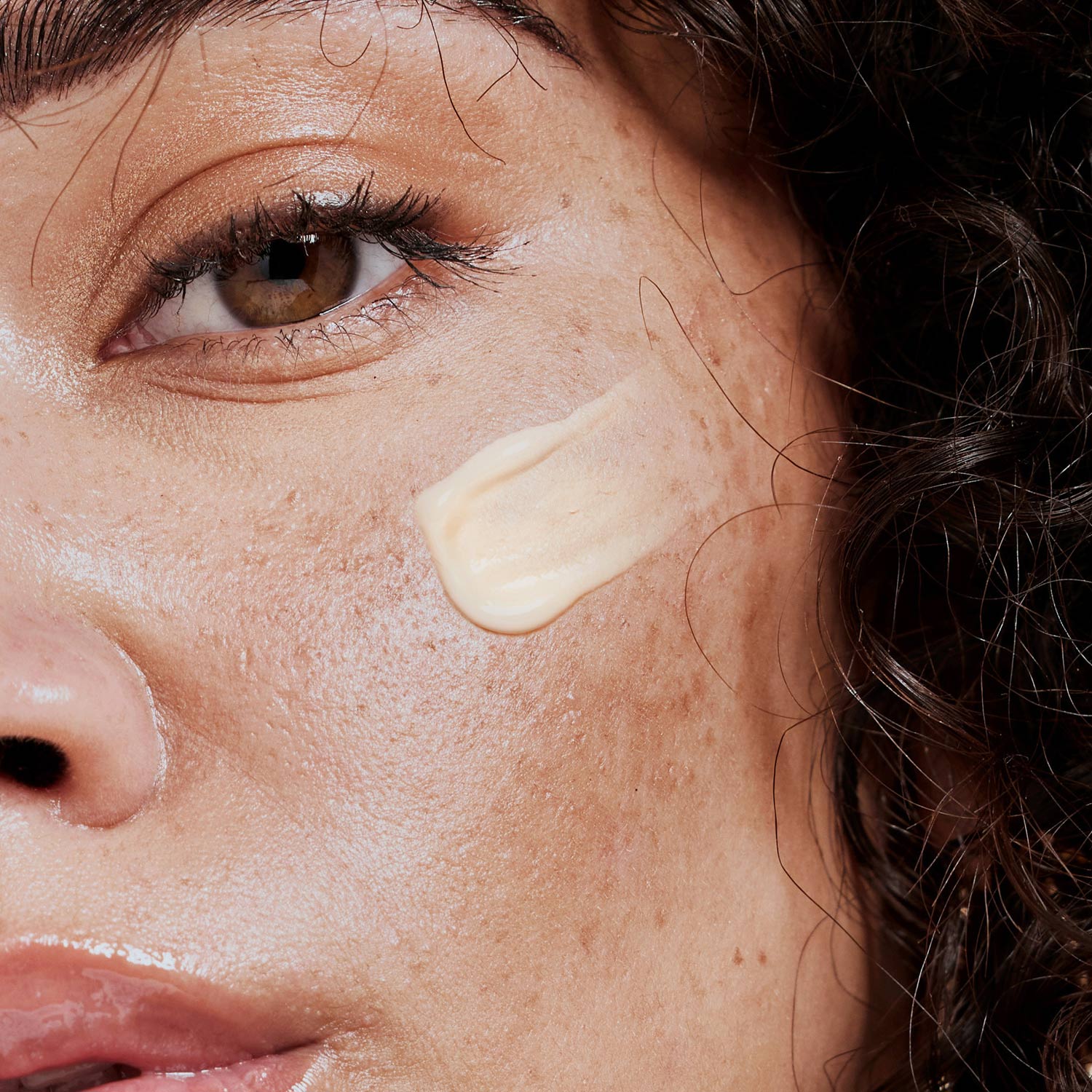
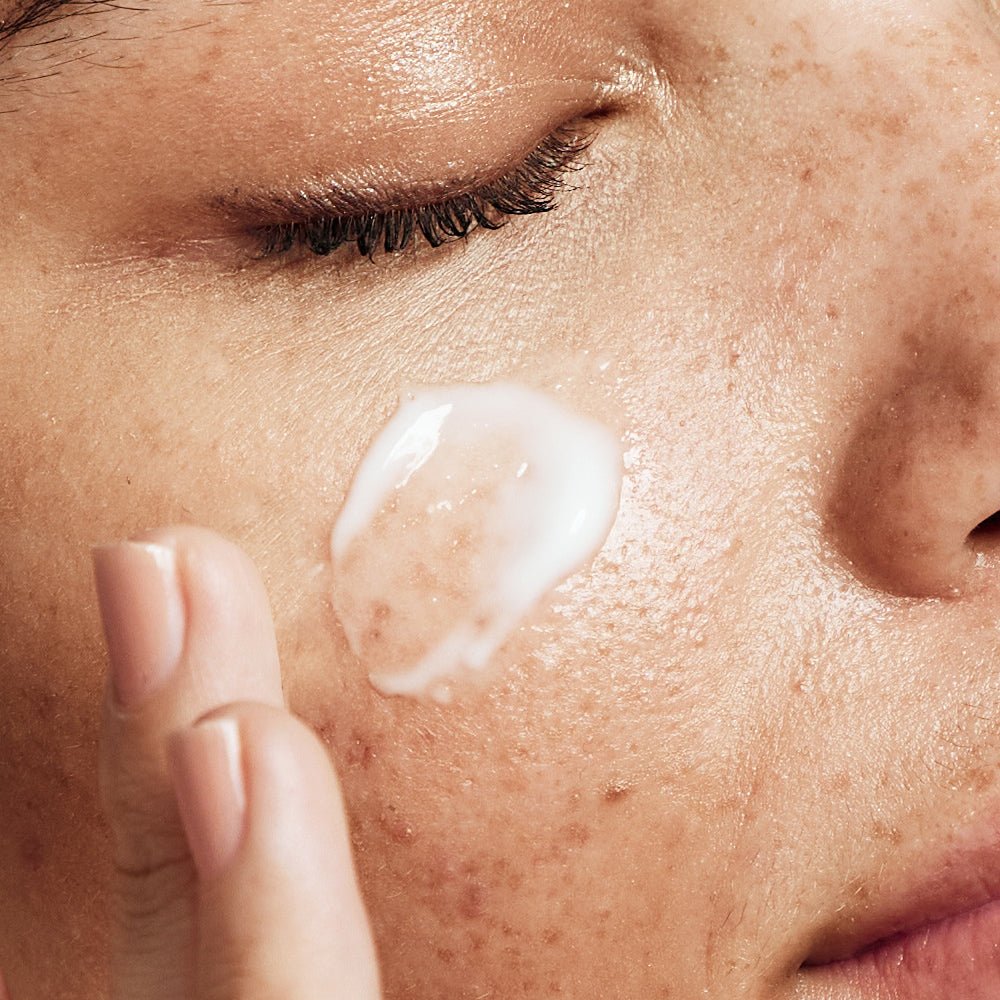
Apply to slightly damp skin. After cleansing and applying any serums, wait 60 seconds, then apply your night cream while your skin still has some residual moisture. The dampness helps the cream spread more evenly and the actives absorb more effectively. Dry skin before moisturizer creates a less permeable surface.
Use enough product. A pea-sized amount is the right dose for a serum. A night cream needs more — a generous dime- to quarter-sized amount is appropriate for full face coverage. Under-applying is one of the most common reasons people feel like a product "isn't working."
Don't forget your neck. The skin on your neck has fewer sebaceous glands than your face, gets the same environmental exposure, and is one of the first places to show visible changes over time. Dream Cream should extend from your jaw down your neck every night. It takes two extra seconds.
Consistency over intensity. Night cream isn't a treatment you do when your skin feels bad. It works through daily consistency — applying the same well-formulated product every night, reliably, over weeks and months. The skin that notices the results most is the skin that used it every night for three months straight, not the skin that used it intensively for a week and then stopped.
Why I Made Dream Cream the Way I Did
When I set out to create a night cream for Onekind, I had a simple brief for myself: make the product I wish existed. Something that would work for sensitive skin without compromise. Something that didn't smell like a department store counter. Something with a texture that felt good to apply but actually absorbed. Something that stacked cleanly with other actives in your routine.
Dream Cream Nighttime Moisturizer is that product. It's the one I use every night, the one my team uses, the one I recommend to everyone who asks me what to put on their face before bed. It's not flashy. It doesn't have a hero ingredient with a complicated name. It just works — reliably, every night, for all the reasons I've described above.
If you've been using the same night cream for years without thinking much about it, or if you've been skipping the category entirely because nothing felt right, it's worth trying something formulated specifically for what your skin needs at night. Dream Cream Nighttime Moisturizer is where I'd start.
Written by Matt Ruggieri, Co-Founder & Head of Product Development at Onekind, with 15+ years of experience in beauty product formulation and development.