

 The Onekind EditBuild Your Ritual


Your skin barrier is the outer layer of skin that helps keep moisture in and irritants out. When it is stressed, skin can feel tight, sting, look red or flake, and the most reliable way to help it feel comfortable again is to simplify your routine, cleanse gently, moisturize consistently, wear sunscreen and give it time. This guide explains what the barrier is, how to spot signs of damage, what contributes to it, and how to build a gentle routine, including where a barrier serum such as Radical Repair® Barrier Recovery Serum fits.
What Is the Skin Barrier?
According to Cleveland Clinic, your skin barrier is part of the stratum corneum, your top layer of skin. It is often likened to a brick wall: skin cells (corneocytes) are the bricks, and lipids such as ceramides, cholesterol and fatty acids are the mortar between them. Together they help hold moisture in and keep irritants out.
Signs Your Skin Barrier May Be Damaged
Common signs include:
- Tightness, dryness, flaking or rough patches
- Redness, irritation or itchiness
- Stinging or burning when you apply products you normally tolerate
- Tenderness or new sensitivity
- Breakouts that appear alongside dryness or irritation
These signs overlap with skin conditions such as eczema, rosacea and psoriasis. If symptoms are severe, painful, persistent or spreading, see a dermatologist rather than trying to fix it with skincare alone.
What Can Damage the Skin Barrier
Cleveland Clinic points to these common causes:
- Over-exfoliating or scrubbing. Removes the outer layer faster than it can renew.
- Harsh soaps and chemicals. Strip away protective oils.
- Very hot water. Washes away the skin's natural oils.
- Not using a moisturizer. Leaves skin without added lipids and water.
- Age. The barrier does not replace itself as well or as quickly over time.
Skincare professionals also commonly point to adding strong actives such as retinoids and acids too quickly, and to daily environmental stress like sun, wind and dry indoor air.
How to Help Your Skin Barrier Recover
- Cut back. Pause exfoliating acids, scrubs and strong actives until skin feels comfortable again, then reintroduce them one at a time.
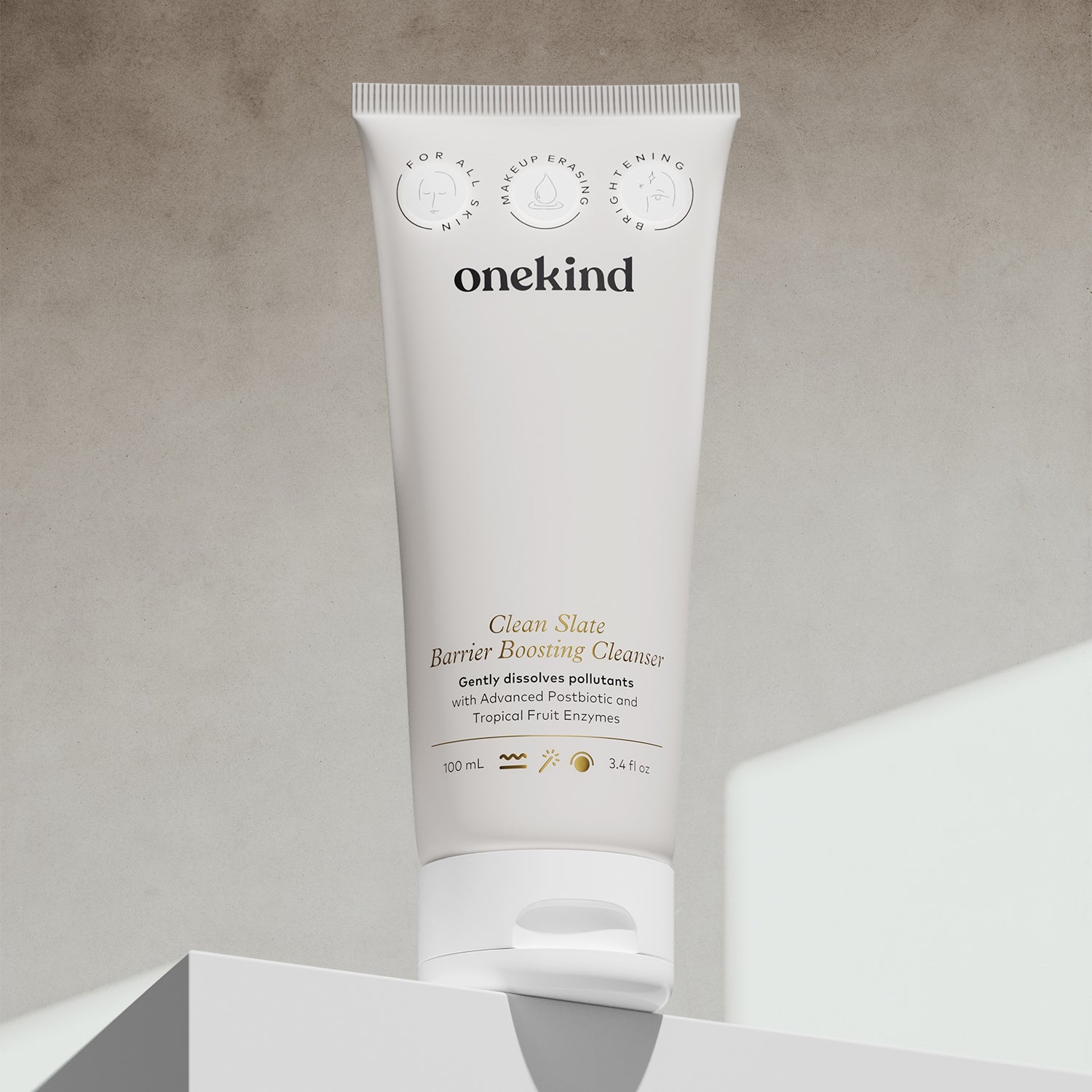
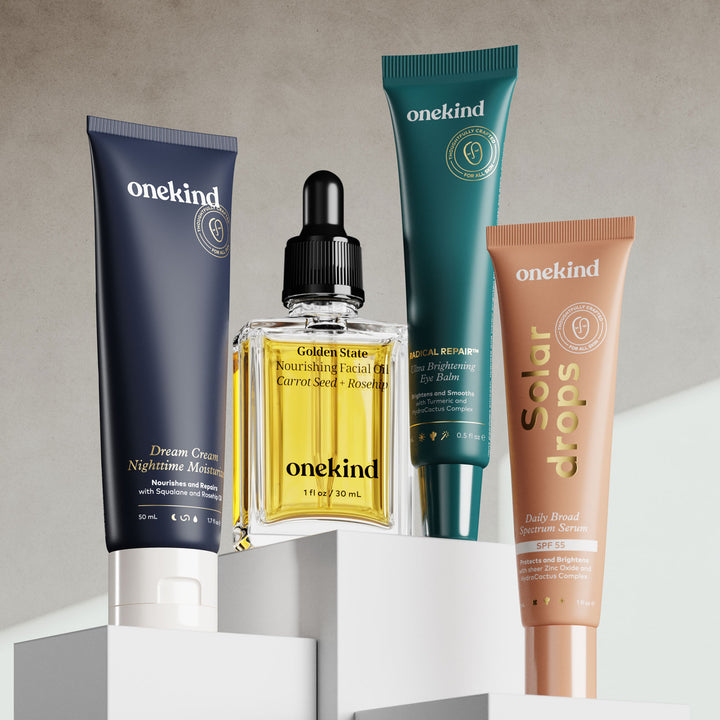
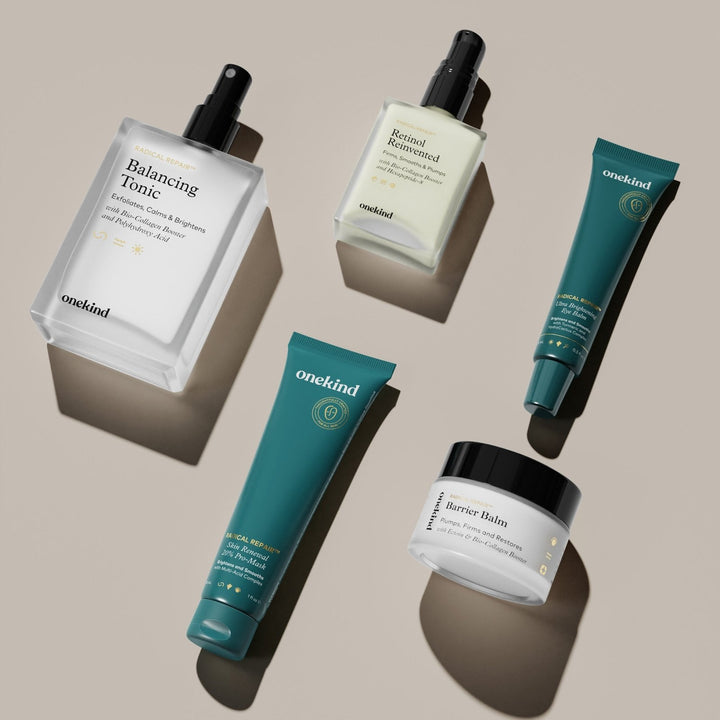
- Cleanse gently. Use lukewarm water and a mild, soap-free cleanser formulated for sensitive skin. Massage it on briefly and rinse rather than scrub. Radical Repair® Nourishing Cream Cleanser and Clean Slate Barrier Boosting Cleanser are two Onekind options.
- Add a calming, hydrating serum. After cleansing and toning, apply an almond-sized amount to face and neck.
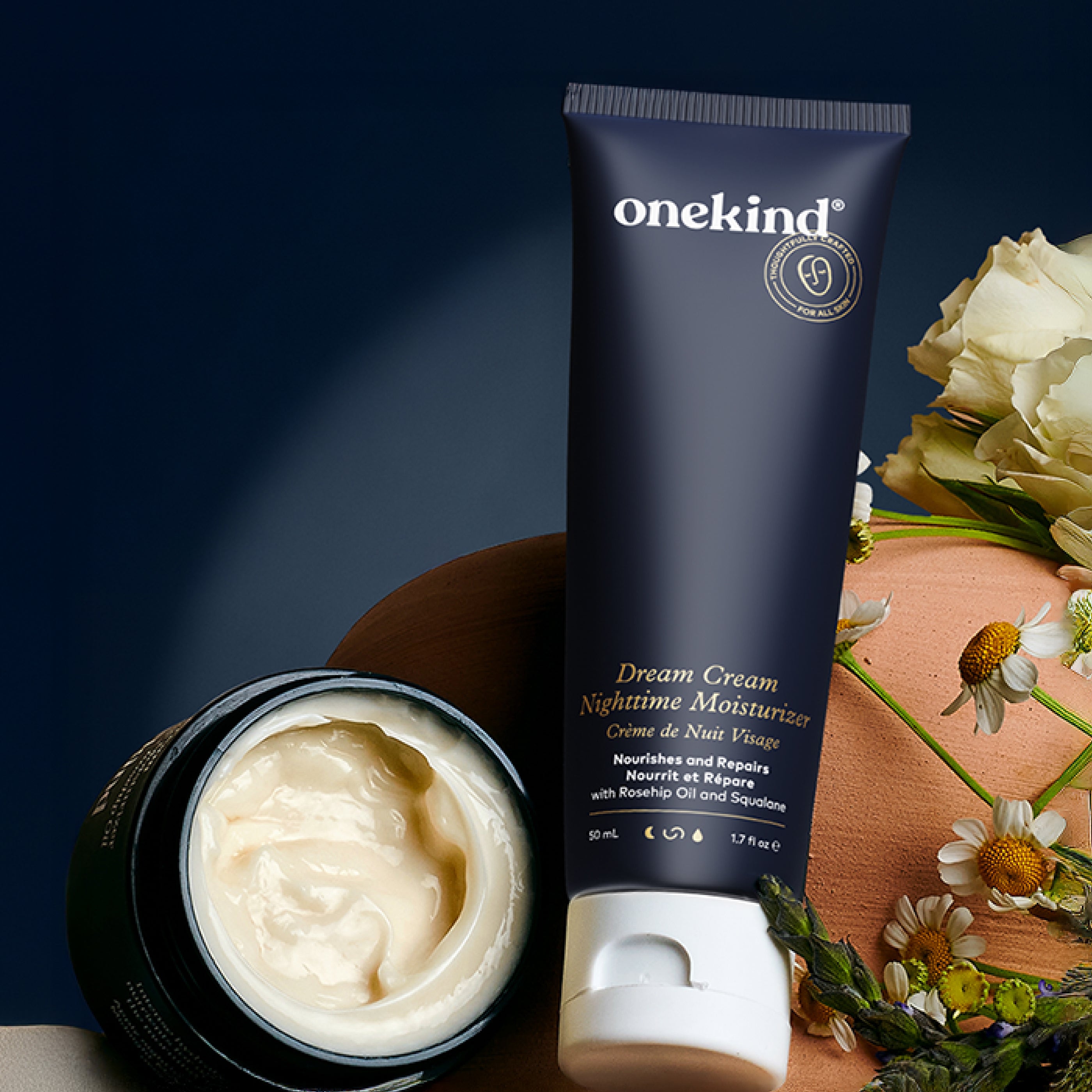
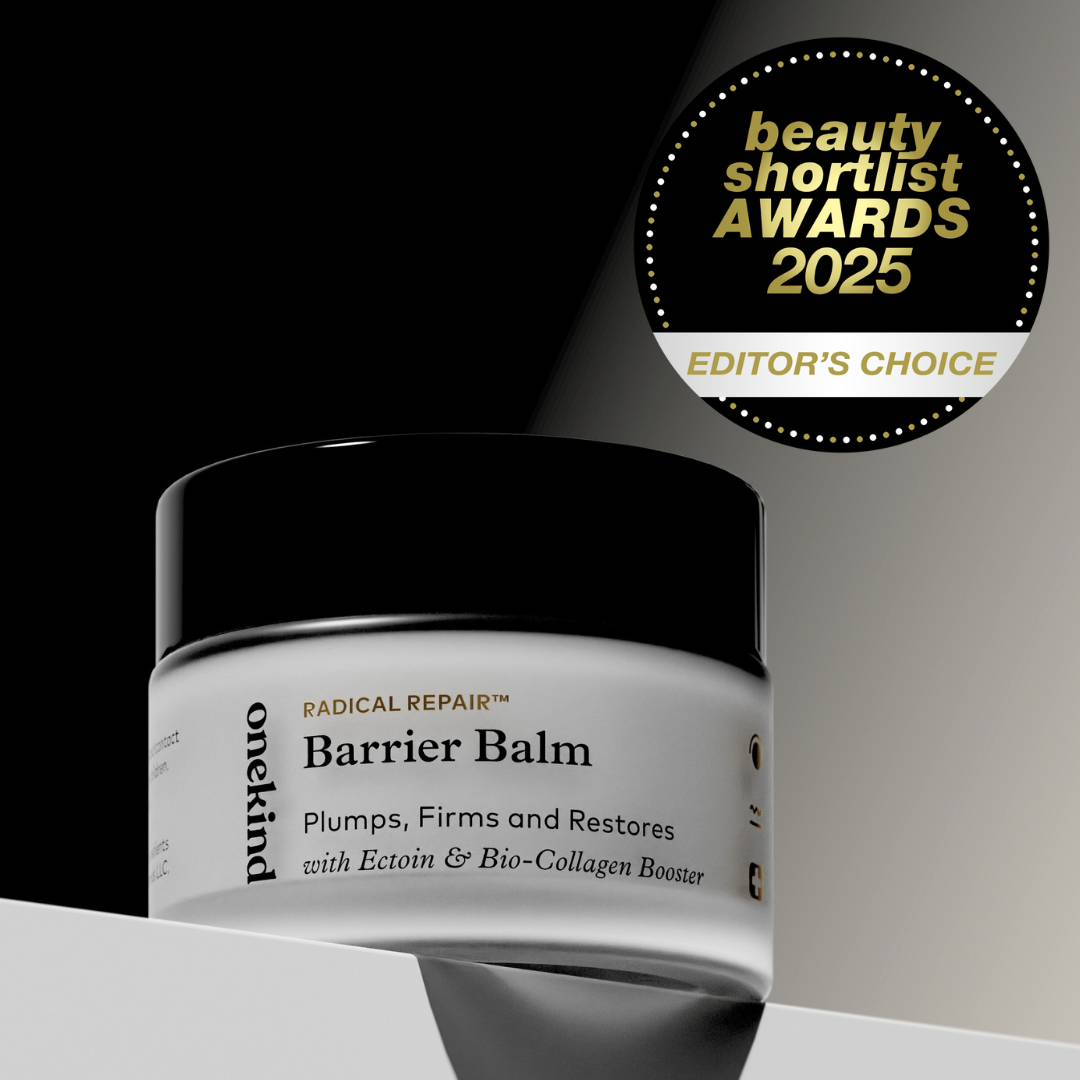
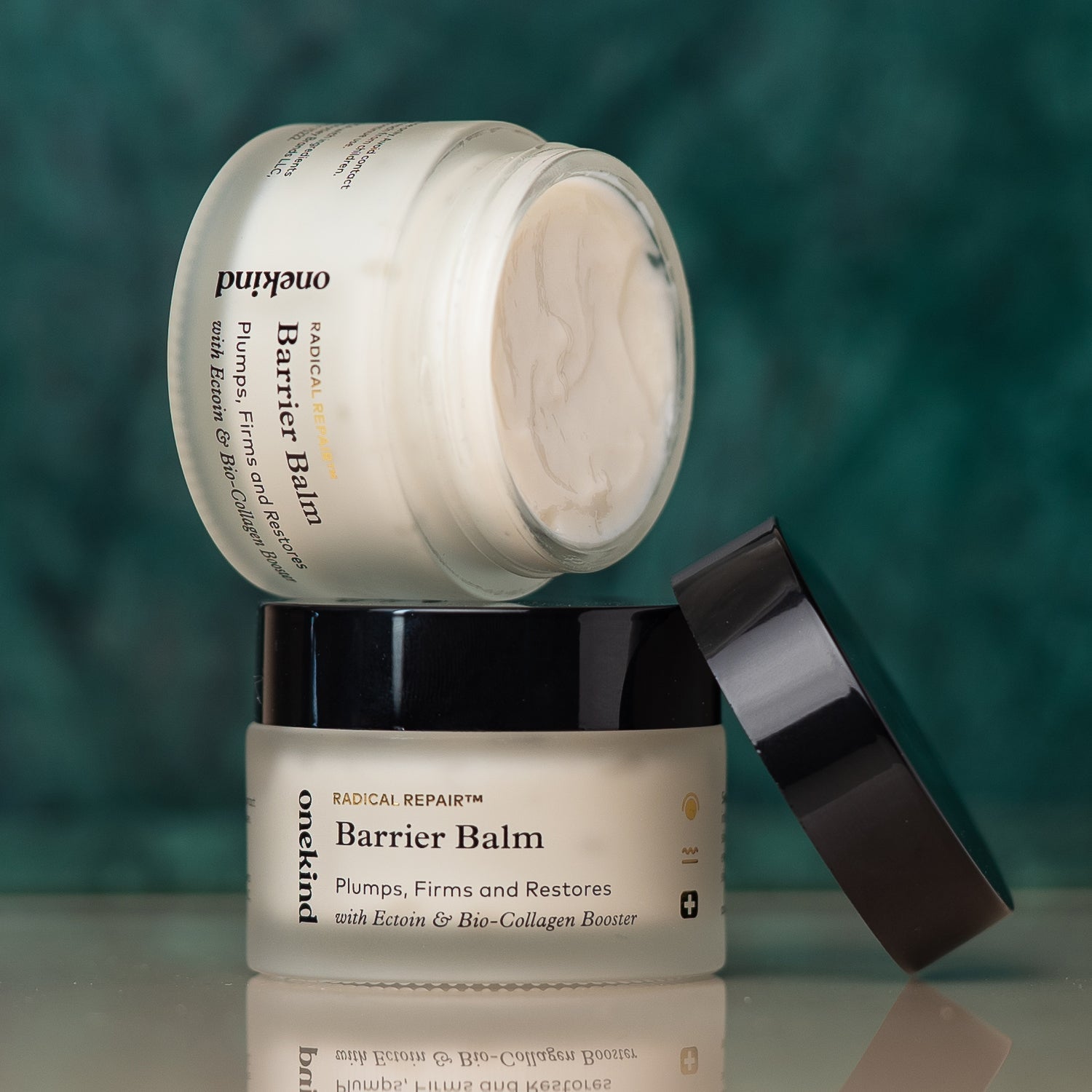
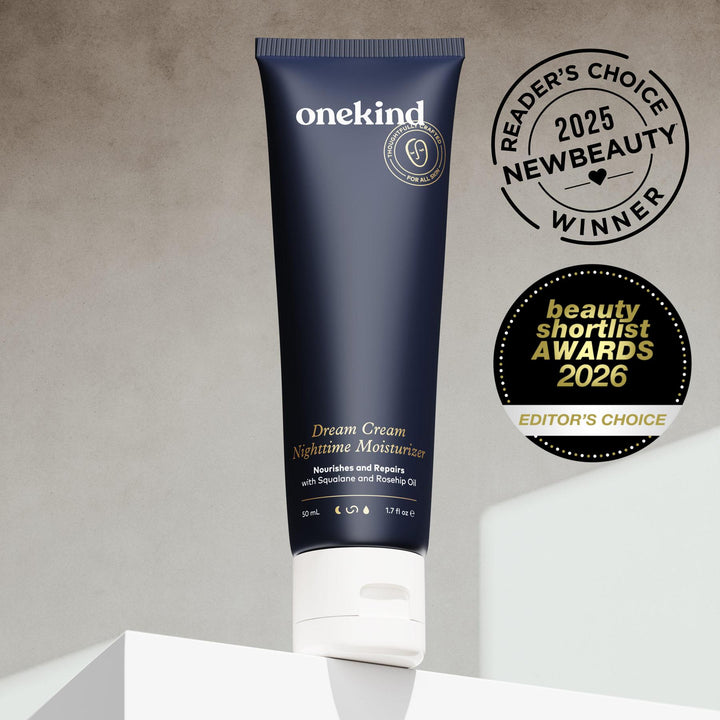
- Moisturize consistently. Look for moisturizers with ceramides, fatty acids and lipids. Dream Cream Nighttime Moisturizer and Radical Repair® Barrier Balm are two Onekind options, and our guide to Dream Cream vs. Barrier Balm explains how to choose.
- Wear sunscreen daily. The best sunscreen is one you like enough to use every day. Solardrops SPF 55 Daily Broad Spectrum Sunscreen is one option.
- Be patient. Cleveland Clinic notes it typically takes three or four months to start seeing the benefits of your efforts, so judge progress over weeks, not days.
Where a Barrier Serum Fits
A barrier serum is a lightweight, hydrating step between cleansing and moisturizer, designed to comfort stressed, sensitized skin. Radical Repair® Barrier Recovery Serum ($54, 1 fl oz) is a soothing, hydrating daily serum with a lightweight jelly-balm texture that absorbs quickly and won't pill under makeup or SPF. For a deeper look at how it differs from a moisturizer, read What Is a Barrier Recovery Serum?
What's in it
- 6% Multi-Level Hydration Complex (postbiotic fermented mushroom, low-molecular hyaluronic acid, glycerin, aloe vera) for hydration and barrier support.
- 10% Plant Lipid Blend (avocado, jojoba and desert date oils) to replenish lipids and help reinforce the moisture barrier.
- HydraCactus Complex® (cactus extract, panthenol, bisabolol) to help soothe the look of redness, comfort stressed skin and support a more resilient barrier.
What to know before you buy
The formula contains plant essential oils, including lavender, rose, geranium, chamomile and palmarosa, and the fragrance allergen citronellol. If you avoid essential oils, or you react to them, patch test first or skip this serum. It is silicone-free, and certified cruelty-free by PETA and Leaping Bunny.
Best for: skin that feels dry, tight, red or reactive, including after sun exposure or a change in routine.
How to use: after cleansing and toning, press an almond-sized amount into face and neck, then follow with moisturizer. Use it morning, evening or both. Onekind recommends it especially during periods of stress, seasonal changes, travel, or when using active treatments like retinol or exfoliants. Start those actives slowly.
What customers say: the product has 42 reviews, 88% of them five-star (37 of 42), with several reviewers describing how soothing and comfortable it feels on sensitive skin.
Frequently Asked Questions
How long does it take to repair a damaged skin barrier?
Cleveland Clinic notes it typically takes three or four months to start seeing the benefits of your efforts. Simplifying your routine, cleansing gently and moisturizing consistently is the foundation, so judge progress over weeks and months, not days.
Can I use a barrier serum with retinol or exfoliating acids?
Yes. Onekind recommends Radical Repair® Barrier Recovery Serum during periods of stress, seasonal changes, travel, or when using active treatments like retinol or exfoliants. Introduce actives one at a time, and pause them if your skin stings or looks red.
What is the difference between a barrier serum and a moisturizer?
A serum is a lighter, water-based or gel-like step that delivers hydration and soothing ingredients. A moisturizer follows to seal that in with lipids and occlusives. Most barrier routines use both.
Is a barrier serum suitable for sensitive skin?
Radical Repair® Barrier Recovery Serum was developed for all skin types, including sensitive skin, and contains calming ingredients like HydraCactus Complex®. It also contains plant essential oils, so patch test first if you are prone to reactions.
Should I stop exfoliating if my barrier is damaged?
Usually yes, for a while. Over-exfoliating is a common cause of barrier damage, so pause scrubs and acids until skin feels calm, then reintroduce them gradually.
When should I see a dermatologist?
See one if your skin is painful, very itchy, cracked, infected-looking or not improving after several weeks, or if you suspect eczema, rosacea or another skin condition.
This article is general information, not medical advice. Last updated October 2026.
Sources
- Cleveland Clinic: How To Tell If Your Skin Barrier Is Damaged (published December 14, 2022)
- Onekind Radical Repair® Barrier Recovery Serum product page (price, ingredients and reviews as of October 28, 2026)
Related reading