







If your face looks shiny by noon but still feels tight after cleansing, you are not imagining things. Oily skin can be dehydrated, sensitive, and dealing with a compromised moisture barrier at the same time.
The short answer: yes, oily and blemish-prone skin can have a damaged moisture barrier. Oil describes how much sebum your skin produces. Hydration describes its water content. The moisture barrier influences how well skin holds onto that water and protects itself from daily stressors. These are connected, but they are not the same thing.
This matters because the instinct to scrub, strip, and dry out oily skin can leave it feeling even more uncomfortable. A better approach is to keep the routine gentle, support hydration, and use blemish treatments at a frequency your skin can tolerate.
That is where Radical Repair® Barrier Recovery Serum fits in. It provides lightweight, lasting hydration and barrier support for all skin types, including blemish-prone skin, without positioning itself as another acne treatment.
Can Oily Skin Really Be Dehydrated?
Yes. Oily skin and dehydrated skin describe two different things.
- Oiliness refers to sebum, the oily substance produced by sebaceous glands.
- Dehydration refers to a lack of water in the upper layers of the skin.
- Barrier damage refers to disruption of the skin's protective outer layer, which can make it harder for skin to hold moisture and keep irritants out.
You can therefore have skin that produces plenty of oil while still feeling tight, rough, flaky, or reactive. The American Academy of Dermatology recommends moisturizing even when skin is oily because hydration remains an important part of an acne-conscious routine. Their guidance notes that some acne treatments can dry and irritate skin, making moisturizer especially useful. You can read the full guidance from the American Academy of Dermatology.
Oily, Dehydrated, or Barrier Compromised: How Can You Tell?
These states can overlap, so the goal is not to diagnose your skin from one symptom. Look at how it feels, how it behaves after cleansing, and whether your usual products have suddenly become uncomfortable.
| Skin State | What You May Notice | What the Routine Needs |
|---|---|---|
| Oily Skin | Visible shine, especially through the forehead, nose, and chin | Gentle cleansing, lightweight hydration, and products that feel comfortable on the skin |
| Dehydrated Skin | Tightness, dullness, fine dehydration lines, or makeup that looks patchy | Humectant hydration plus a moisturizer that helps reduce moisture loss |
| Compromised Barrier | Stinging, redness, flaking, unusual sensitivity, or tightness after washing | A simplified routine focused on comfort, hydration, and barrier support |
Having blemishes does not automatically mean your barrier is damaged. Having shiny skin does not automatically mean it is healthy and hydrated either. The most useful clue is often a change from your normal baseline, especially new stinging, tightness, flaking, or reactivity.
7 Signs Your Oily Skin May Also Have a Compromised Barrier
1. Your Face Feels Tight Right After Cleansing
A cleanser should remove makeup, sunscreen, excess oil, and daily buildup without leaving your face feeling stretched. That squeaky clean sensation can be a sign that your routine is removing more than your skin comfortably tolerates.
2. Your Usual Products Suddenly Sting
If a familiar serum or moisturizer suddenly burns or tingles, skin may be temporarily more reactive. Pause the products that feel uncomfortable and give your routine a chance to settle.
3. You Look Shiny but Feel Dry
Surface oil can sit on top of skin that still lacks water. This can create the confusing combination of shine through the center of the face and tight or flaky areas around the cheeks and mouth.
4. Your Skin Is Flaking Around Blemishes
Salicylic acid, benzoyl peroxide, retinoids, and prescription acne treatments can all leave skin dry or flaky, especially when introduced too quickly or used together. Flaking is not proof that a treatment is working better.
5. Redness Lingers Longer Than Usual
Skin with a stressed barrier may look blotchy or flushed and may take longer to feel calm after cleansing or applying products.
6. You Keep Adding Stronger Treatments Without Better Results
When blemishes appear, it is tempting to add another acid, scrub, mask, or spot treatment. If the routine becomes increasingly irritating without improving how your skin looks, more intensity may not be the answer.
7. Even Moisturizer Feels Complicated
You may skip moisturizer because you are worried about clogged pores, then find that your skin feels uncomfortable without it. The solution is usually not to avoid hydration. It is to choose a texture and amount that work for your skin.
What Can Damage the Moisture Barrier in Blemish-Prone Skin?
Blemish-prone routines often contain effective ingredients that can also be drying or irritating when overused. Common causes of barrier stress include:
- Washing too often: Cleansing several times a day can remove the surface lipids that help skin hold moisture.
- Using hot water: Very hot water can make tightness and dryness feel worse.
- Layering too many actives: Combining exfoliating acids, retinoids, benzoyl peroxide, scrubs, and clarifying masks may be more than your skin can comfortably handle.
- Scrubbing active blemishes: Physical friction can increase visible irritation and discomfort.
- Skipping moisturizer: Avoiding moisture because skin is oily can leave it without the support it needs.
- Changing products too quickly: Starting several new products at once makes it difficult to know what is helping and what is causing a reaction.
Does a Damaged Barrier Cause Acne?
The relationship is more complicated than a simple cause and effect statement. Acne involves several factors, including oil production, clogged pores, inflammation, hormones, and microorganisms. Barrier function can also be altered in acne-prone skin, and some acne treatments can increase dryness or sensitivity.
Research measuring transepidermal water loss, which is the movement of water through the skin into the environment, suggests that acne may be associated with changes in barrier function. However, supporting the barrier should be viewed as a complementary skincare step, not a replacement for proven acne treatment.
The same caution applies to microbiome skincare. A recent systematic review of prebiotics, probiotics, and postbiotics in acne research found growing interest in the category, but results depend on the specific intervention. A microbiome friendly serum should not be assumed to clear acne simply because it contains prebiotic or postbiotic ingredients.
Should Oily Skin Use Facial Oils?
Oily skin does not need to avoid every oil by definition. Oils vary in composition, weight, and how they behave in a finished formula. The complete product matters more than the presence of the word “oil” in an ingredient list.
Radical Repair® Barrier Recovery Serum contains avocado, jojoba, sweet almond, and desert date oils selected for their lightweight, skin compatible fatty acid profiles. They are balanced within a fast absorbing jelly balm serum rather than presented as a heavy facial oil.
That does not mean every product works for every person. If you know that a specific ingredient does not agree with your skin, follow that experience. Patch test new products and introduce them one at a time.
A Simple Barrier Support Routine for Oily, Blemish-Prone Skin
When skin feels reactive, more steps are not necessarily better. Start with a simple routine and add targeted blemish treatments only as your skin tolerates them.
Step 1: Cleanse Without Stripping
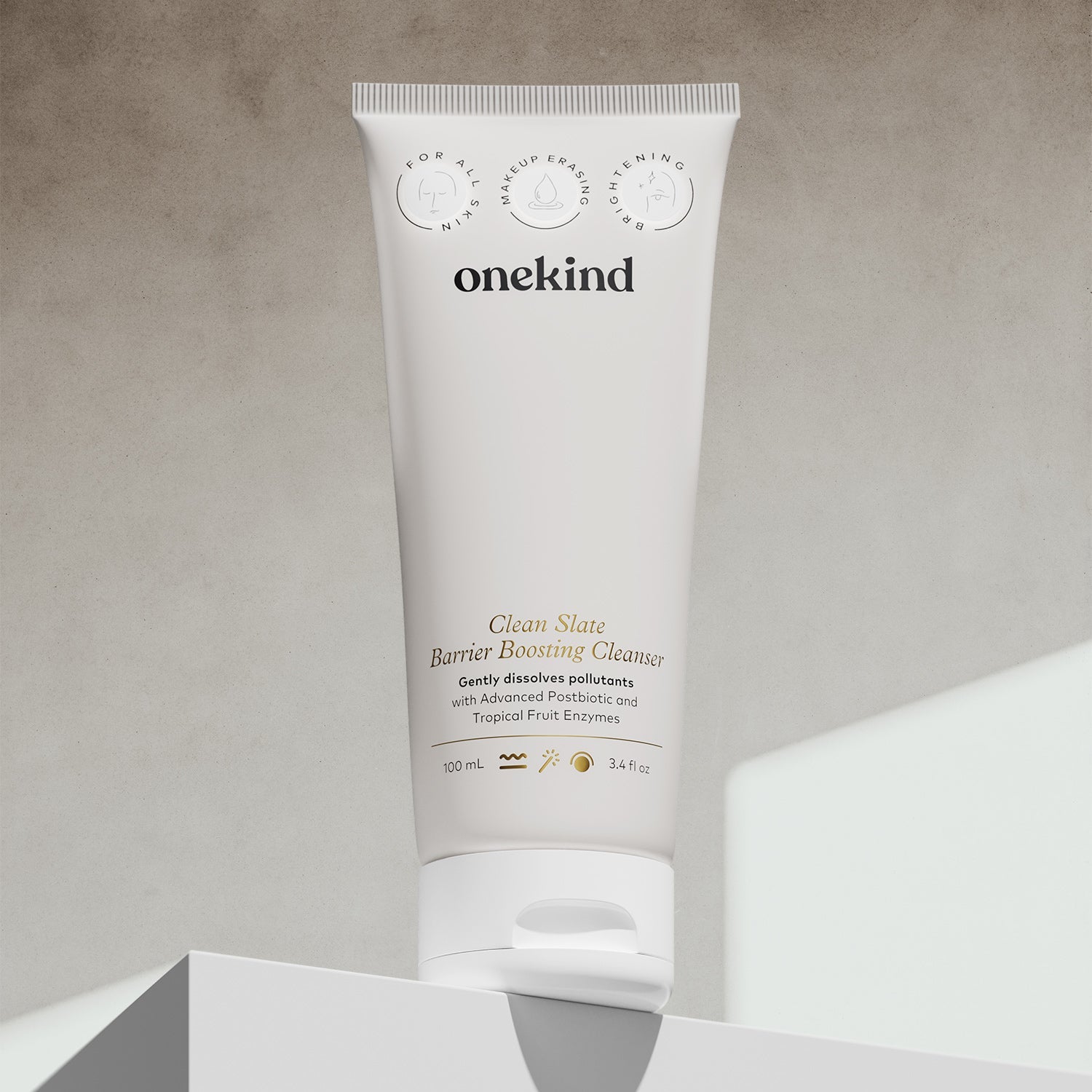
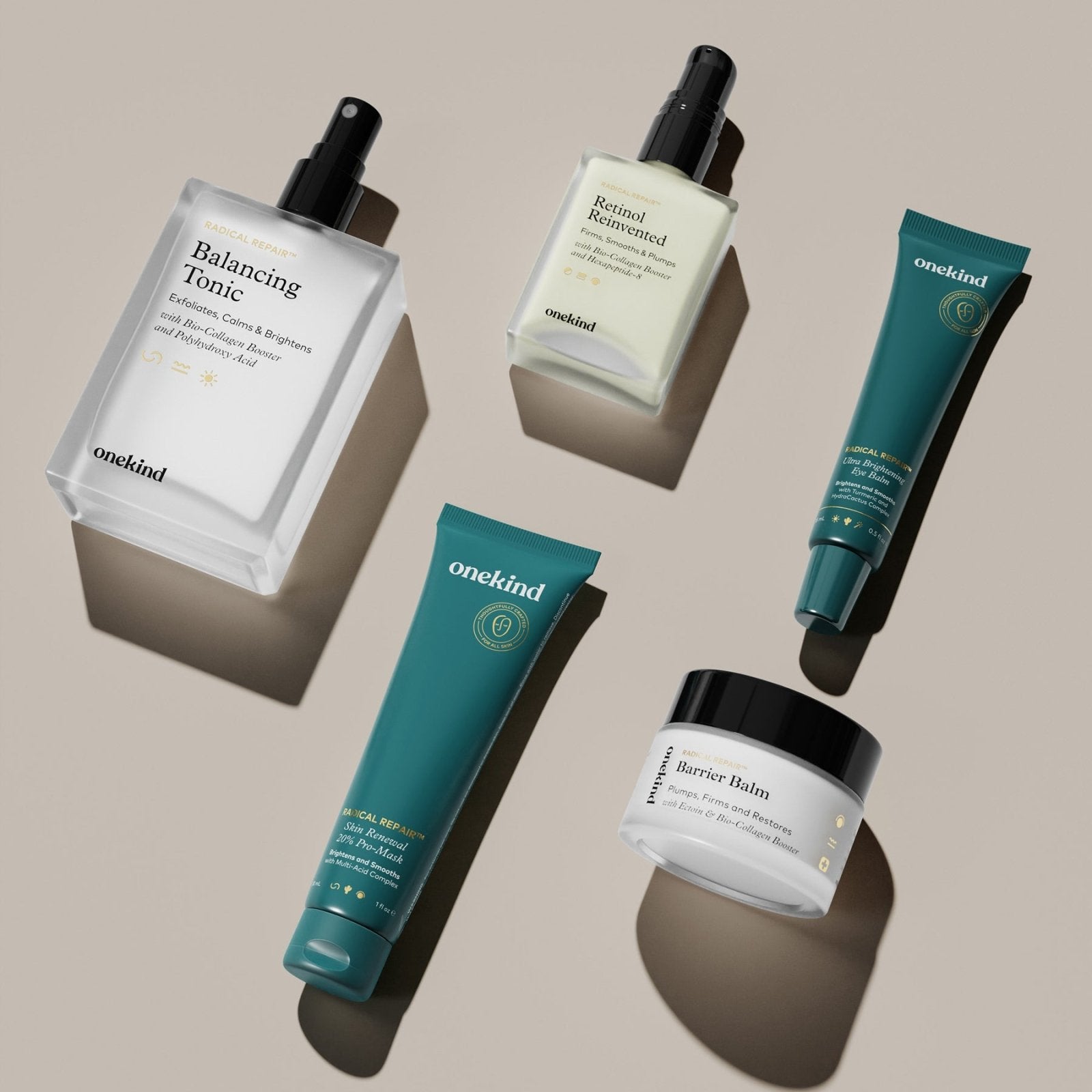
Use lukewarm water and a cleanser that removes buildup without leaving skin tight. Radical Repair® Nourishing Cream Cleanser transforms from a rich cream into a soft lather, removing makeup, sunscreen, and impurities while helping skin feel hydrated after rinsing.
Cleanse morning and evening if that works for your skin. If your face feels comfortable with a water rinse in the morning, that can also be enough for some people. Avoid scrubbing and pat dry gently.
Step 2: Use Blemish Treatments Thoughtfully
If you use salicylic acid, benzoyl peroxide, a retinoid, or prescription treatment, follow its directions and avoid introducing several strong actives at once. More frequent use is not always better if it leaves your skin persistently uncomfortable.
When skin is actively stinging or peeling, pause nonessential exfoliating products. If a prescription treatment is causing significant irritation, speak with the clinician who prescribed it before changing your treatment plan.
Step 3: Add Lightweight Hydration and Barrier Support
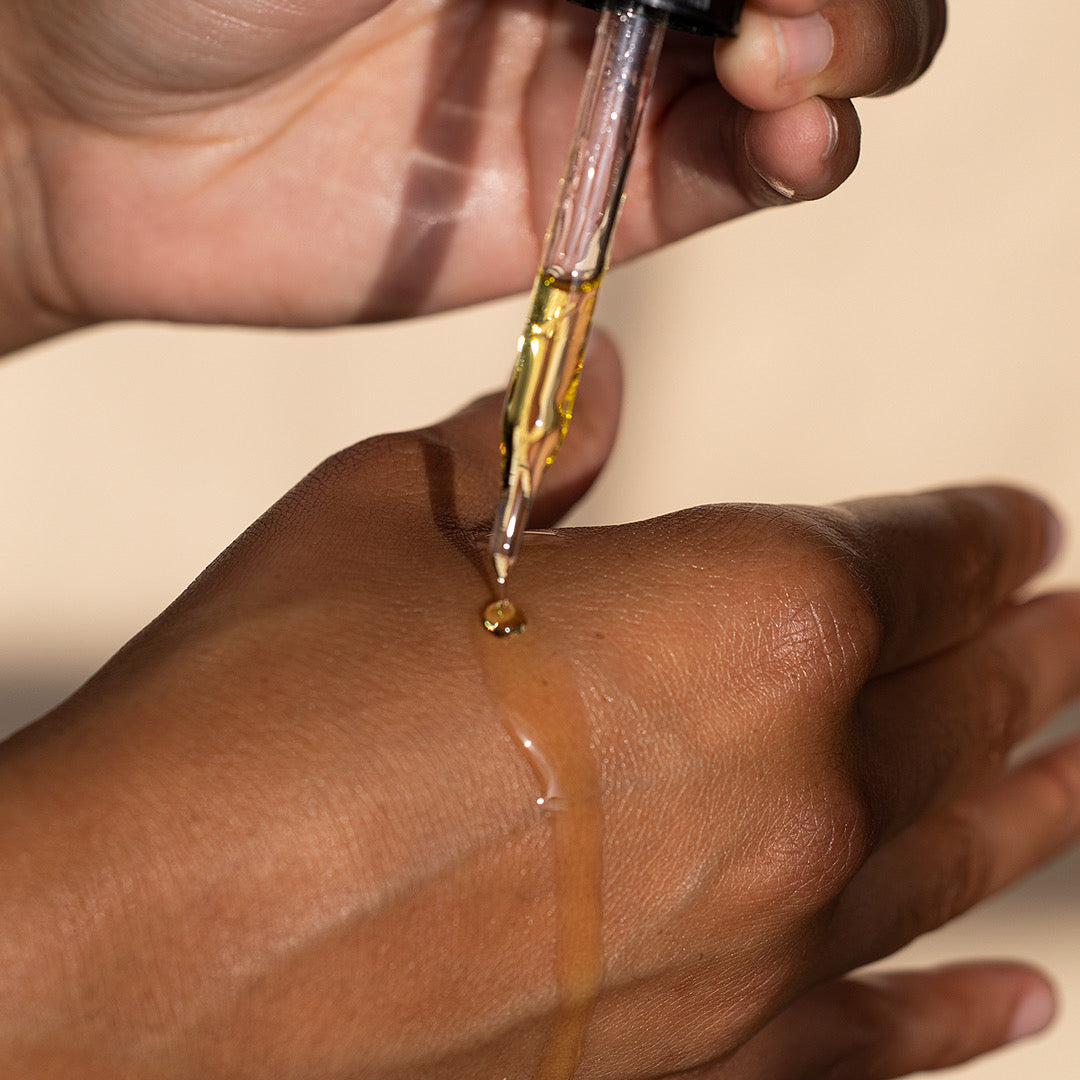
Apply an almond sized amount of Radical Repair® Barrier Recovery Serum to clean, dry skin after toning and before moisturizer. The lightweight jelly balm texture absorbs quickly and layers easily with other products.
Hydrolyzed Hyaluronic Acid and fermented Silver Ear Mushroom help attract and lock in hydration. HydraCactus Complex® helps soothe stressed skin, while a prebiotic and postbiotic complex helps support a balanced skin microbiome and moisture barrier. The formula is designed for all skin types, including blemish-prone and sensitive skin.
Step 4: Moisturize According to What Your Skin Needs
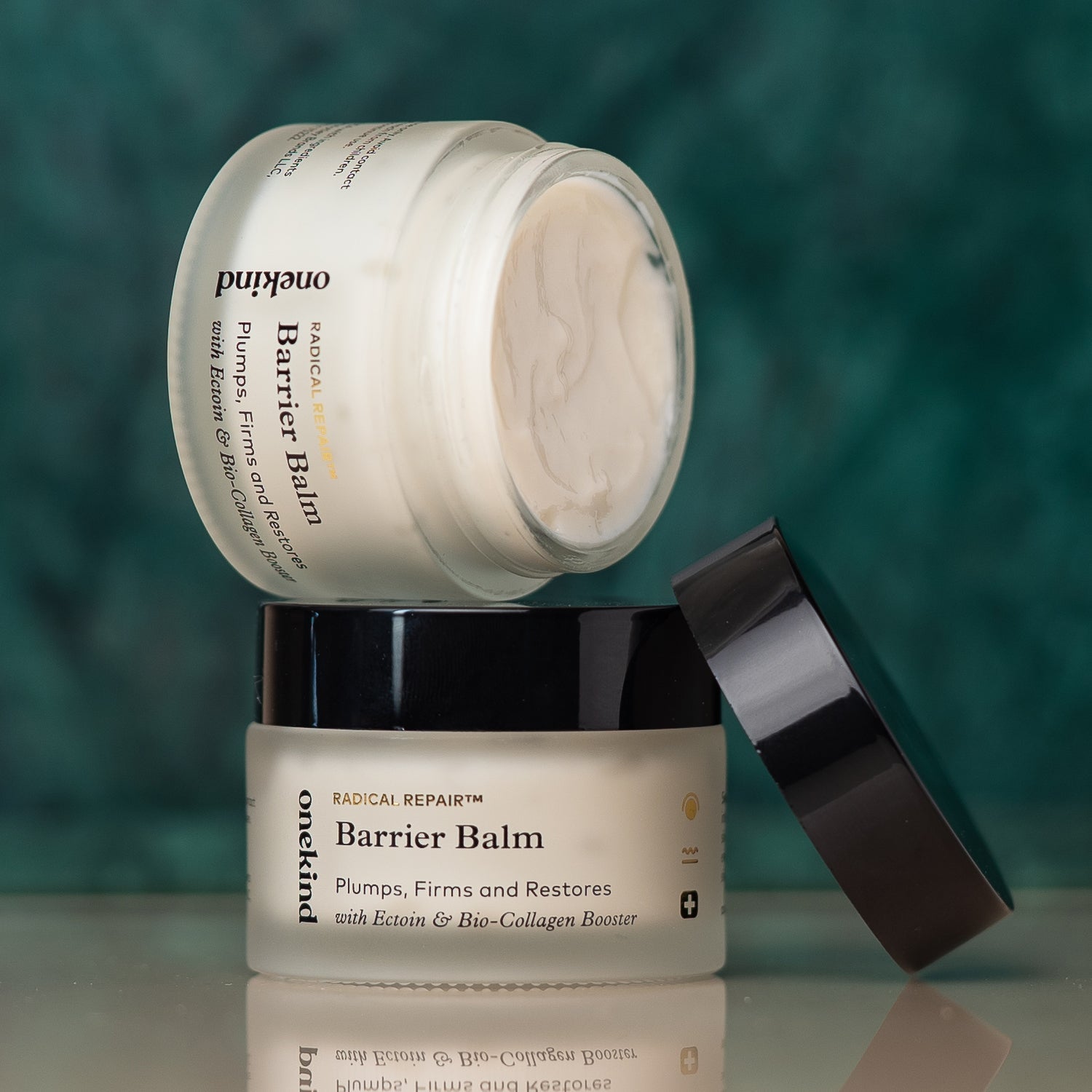
Follow with a moisturizer to help seal in hydration. Oily skin may need only a light layer during the day and a little more at night. If skin feels especially dry or stressed, Radical Repair® Barrier Balm can be applied as the final step, with the amount adjusted to your comfort.
Step 5: Wear Sunscreen Every Morning
Finish with broad spectrum SPF. This is especially important when your routine includes retinoids, exfoliating acids, or other ingredients that can increase sensitivity to the sun.
How to Use Barrier Recovery Serum with Acne Actives
Barrier Recovery Serum is designed to complement most routines rather than compete with the treatment step.
- With salicylic acid: Apply the acid as directed, let it absorb, then follow with Barrier Recovery Serum and moisturizer.
- With benzoyl peroxide: Follow the product or prescription directions, then use the serum and moisturizer to support hydration and comfort.
- With retinol or a retinoid: Let the retinoid absorb before applying Barrier Recovery Serum and moisturizer. You can also use the serum on nonretinoid recovery nights.
- With multiple acne treatments: Ask a dermatologist how to schedule them. Alternating treatments is often easier to tolerate than layering everything in one routine.
Introduce the serum on its own so you can see how your skin responds. If any product causes persistent burning, swelling, or a severe reaction, stop using it and seek professional guidance.
What to Stop Doing While Your Barrier Recovers
A temporary reset can be more useful than buying five new products. While your skin feels reactive, consider scaling back:
- Face scrubs and cleansing brushes
- Daily exfoliating masks or peels
- Multiple acids in the same routine
- Very hot water
- Picking or squeezing blemishes
- Products that consistently sting
Keep medically recommended treatments in conversation with your dermatologist. A skincare reset should support appropriate care, not replace it.
Frequently Asked Questions
Can Skin Be Oily and Dehydrated at the Same Time?
Yes. Oil refers to sebum, while hydration refers to water in the skin. A person can have visible shine and still experience tightness, dullness, flaking, or dehydration lines.
How Do I Know If My Acne Routine Is Damaging My Barrier?
New stinging, persistent tightness, unusual redness, flaking, or sensitivity can suggest that your routine is more irritating than your skin can currently tolerate. These symptoms do not provide a medical diagnosis, so consult a dermatologist if they are severe or persistent.
Will Repairing My Moisture Barrier Clear My Acne?
Not necessarily. Supporting the moisture barrier may help skin feel more comfortable and tolerate an acne routine better, but it is not a substitute for acne treatment. Acne can involve clogged pores, inflammation, oil production, hormones, and other factors.
Does Oily Skin Need Moisturizer?
Yes. Oily skin still needs hydration and moisture support. Choose an amount and texture that feel comfortable rather than skipping moisturizer automatically.
Can Barrier Recovery Serum Clog Pores?
Radical Repair® Barrier Recovery Serum is designed for all skin types, including blemish-prone skin, and has a lightweight, fast absorbing texture. However, individual skin responses vary. Patch test if you are highly reactive or concerned about a particular ingredient.
Can I Use Barrier Recovery Serum Every Day?
Yes. Apply it once or twice daily after cleansing and toning and before moisturizer. An almond sized amount is enough for the full face.
~~
Oily Skin Still Deserves Barrier Support
Shine is not proof that your skin has enough water, and blemishes are not a reason to strip your face. A strong routine balances effective treatment with the hydration and comfort your skin needs to function at its best.
Radical Repair® Barrier Recovery Serum makes that balance easier. Seven clinically backed actives help soothe stressed skin, provide immediate and lasting hydration, support the skin microbiome, and leave the moisture barrier feeling more resilient in one lightweight daily step.