





Prebiotics, postbiotics, fermented extracts, microbiome friendly formulas. Skincare has borrowed a lot of language from the wellness world lately, and it is easy to assume these terms all mean the same thing. They do not.
The short answer: prebiotics help support beneficial microorganisms already living on the skin, while postbiotics are nonliving compounds produced by or derived from microorganisms. Fermented skincare ingredients are transformed through a controlled process involving microorganisms, but a fermented ingredient is not automatically a probiotic, prebiotic, or postbiotic.
That distinction matters because the skin microbiome is not a trend invented by the beauty industry. It is a living ecosystem that works alongside the moisture barrier and plays a role in how skin maintains balance. The science is still developing, but the direction is clear: healthy looking skin is not simply about removing every trace of bacteria. It is also about supporting the environment your skin needs to stay calm, hydrated, and resilient.
This is one of the ideas behind Radical Repair® Barrier Recovery Serum. The formula combines fermented Silver Ear Mushroom with a prebiotic and postbiotic complex, Hyaluronic Acid, HydraCactus Complex®, and antioxidant rich Red Maple Bark Extract. Rather than chasing one benefit, it helps address hydration, visible sensitivity, microbiome balance, and barrier support in one lightweight daily step.
What Is the Skin Microbiome?
The skin microbiome is the community of bacteria, fungi, viruses, and other microorganisms that live on the surface of your skin. It is not exactly the same from one person to the next. It can also vary across different areas of your own body because an oily forehead, a dry cheek, and an underarm create very different environments.
These microorganisms interact with the skin barrier, the protective outer layer that helps hold moisture in and keep environmental stressors out. Current research describes the microbiome and barrier as closely connected parts of the skin's defense system. A balanced microbial community can help support barrier function, while harsh cleansing, over exfoliation, environmental exposure, and other stressors may disturb the environment on the skin.
Scientists are still working to define exactly what a healthy microbiome looks like for every person. There is no single perfect combination of microorganisms that applies to everyone. That is why responsible microbiome skincare should focus on supporting balance rather than promising to create one universal bacterial profile.
Prebiotics vs. Probiotics vs. Postbiotics
The easiest way to understand these ingredients is to look at the role each one plays.
| Term | What It Means | How It Is Used in Skincare |
|---|---|---|
| Prebiotics | Substances that help support beneficial microorganisms | Used to help encourage a balanced environment for the skin's existing microbiome |
| Probiotics | Live microorganisms that provide a demonstrated benefit when used in an adequate amount | Difficult to formulate in conventional skincare because live cultures must remain viable and stable |
| Postbiotics | Nonliving cells, cell components, or metabolites derived from microorganisms | Used to deliver microbiome related benefits without requiring live bacteria in the formula |
| Fermented Ingredients | Ingredients transformed through a controlled process involving microorganisms | Used for the new compounds, smaller components, or functional properties created during fermentation |
One common misconception is that any product containing a ferment is a probiotic product. Most fermented skincare does not contain live microorganisms by the time it reaches your bathroom shelf. The value is often in the compounds created or released during fermentation, not in live bacteria living inside the bottle.
What Do Prebiotics Do for Skin?
Prebiotics act as support for selected members of the existing microbial community. In simple terms, they help create conditions that allow beneficial microorganisms to thrive.
This is different from adding new bacteria to the skin. A prebiotic formula works with what is already there. In skincare, the goal is usually to help maintain a balanced surface environment that supports comfort, hydration, and barrier function.
It is important to keep that language precise. A prebiotic cosmetic does not sterilize skin, permanently reset the microbiome, or treat a medical condition. Its benefit depends on the specific prebiotic material, its concentration, the rest of the formula, and the person using it.
What Do Postbiotics Do for Skin?
Postbiotics are not live bacteria. They are nonliving microbial cells, cell fragments, or substances produced through microbial activity. Because they do not need to remain alive, postbiotic ingredients can be easier to formulate into stable skincare products than true probiotics.
Research into topical postbiotics is exploring their relationship with hydration, visible redness, barrier function, and microbial balance. A review of microbiome and postbiotic research describes the category as promising while also making clear that results depend on the specific ingredient and finished formulation.
That last point is worth remembering. “Contains postbiotics” is not a complete efficacy claim. Two products can use entirely different postbiotic materials at different concentrations and deliver very different experiences. The formula still matters.
What Does Fermentation Do to a Skincare Ingredient?
Fermentation uses microorganisms such as bacteria or yeast to transform a starting material. During that process, larger compounds may be broken into smaller components and new metabolites may be created.
Depending on the material and fermentation method, this can change the ingredient's stability, composition, or availability to the skin. Reviews of fermented cosmetic materials have found promising functional benefits, but fermentation is not automatically an upgrade in every case. The microorganism used, the starting material, the process, and the final concentration all affect the result.
In other words, “fermented” describes how an ingredient was made. It does not tell you everything the ingredient will do.
Is Fermented Skincare Better for Sensitive Skin?
It can be a good fit, but fermented does not automatically mean gentle. Sensitive skin responds to the entire formula, including fragrance components, preservatives, active concentrations, and the condition of the skin barrier at the time of use.
A well designed fermented ingredient may offer effective hydration or barrier support in a lightweight format. That is very different from saying every ferment is suitable for every sensitive skin type. Patch testing remains a smart idea, especially if your skin is highly reactive or you are introducing several new products at once.
How Radical Repair® Uses Fermented Actives
Radical Repair® Barrier Recovery Serum uses fermented actives as part of a broader seven active system. Every ingredient has a specific job, and the formula is designed to support several pathways at once.
- Fermented Silver Ear Mushroom: A plant powered hydrator that helps attract and lock in moisture. It forms a lightweight, flexible layer that helps prevent moisture loss without a tight or heavy feeling.
- Prebiotic and Postbiotic Complex: Helps support a balanced skin microbiome while reinforcing moisture barrier support and improving skin comfort.
- Hydrolyzed Hyaluronic Acid: Helps hydrate at the surface and below it for skin that looks smoother and feels more cushioned.
- HydraCactus Complex®: A calming blend of cactus extract and desert date oil that helps soothe visible redness, soften skin, and support resilience.
- Red Maple Bark Extract: An antioxidant rich botanical that helps improve the look of firmness, elasticity, and fine lines over time.
The result is not a probiotic serum filled with live bacteria. It is a microbiome conscious formula that combines fermentation derived ingredients with hydration, soothing, antioxidant, and barrier supporting actives.
Shop Radical Repair® Barrier Recovery Serum
Who May Benefit from Microbiome Friendly Skincare?
Microbiome conscious skincare can make sense for anyone who wants a gentler, barrier focused routine, but it may be especially appealing if your skin feels:
- Dry, tight, or dehydrated
- Stressed or more reactive than usual
- Uncomfortable after cleansing
- Overworked from retinol or exfoliating acids
- Oily in some areas but dehydrated in others
- In need of lightweight hydration that layers easily
Microbiome friendly skincare is not a treatment for acne, eczema, rosacea, or another skin condition. If you have persistent redness, itching, burning, or breakouts, a dermatologist can help identify the cause and recommend appropriate care.
How to Add Barrier Recovery Serum to Your Routine
Apply an almond sized amount of Radical Repair® Barrier Recovery Serum to clean, dry skin after toning and before moisturizer. Use it in the morning, evening, or both.
For a simple Radical Repair® routine:
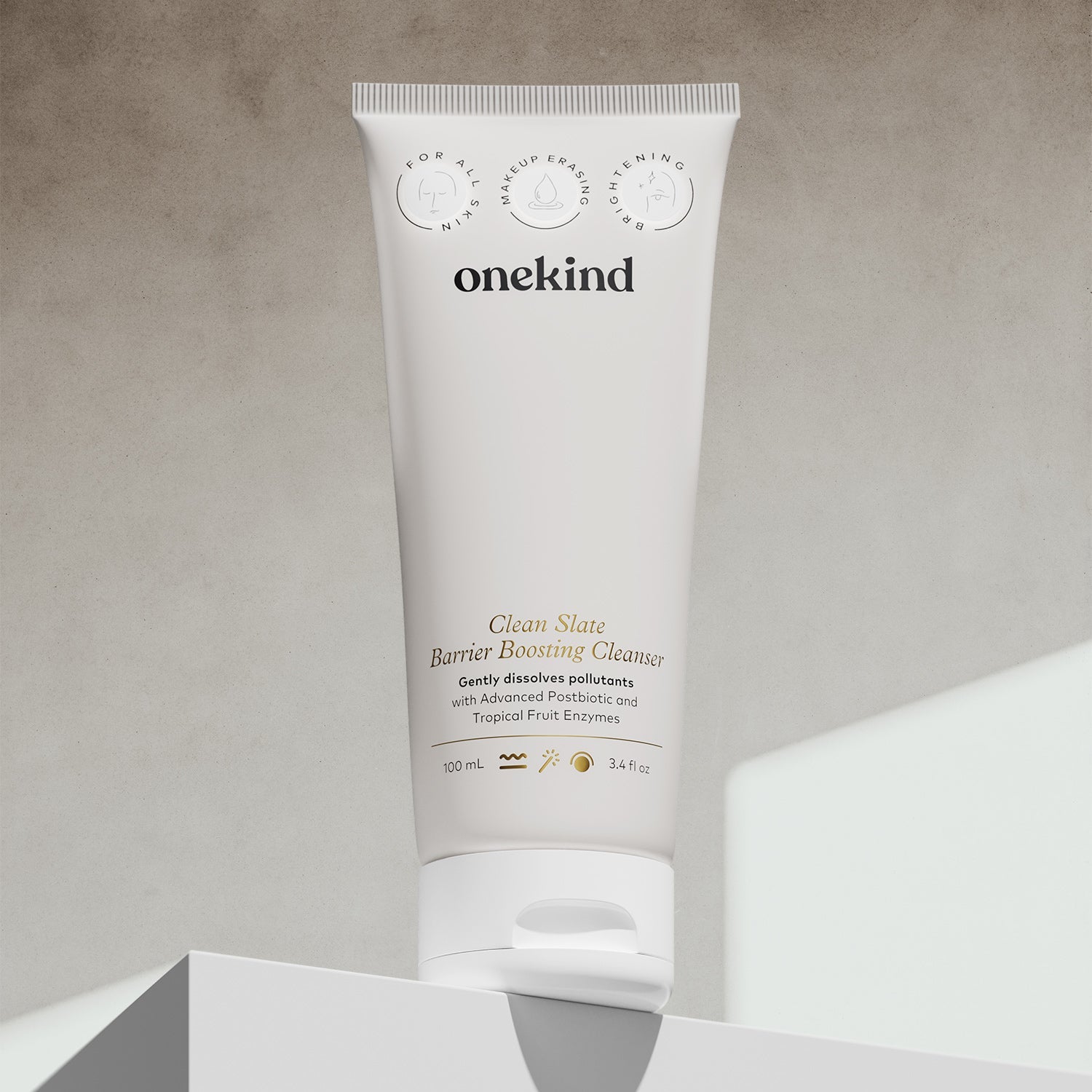
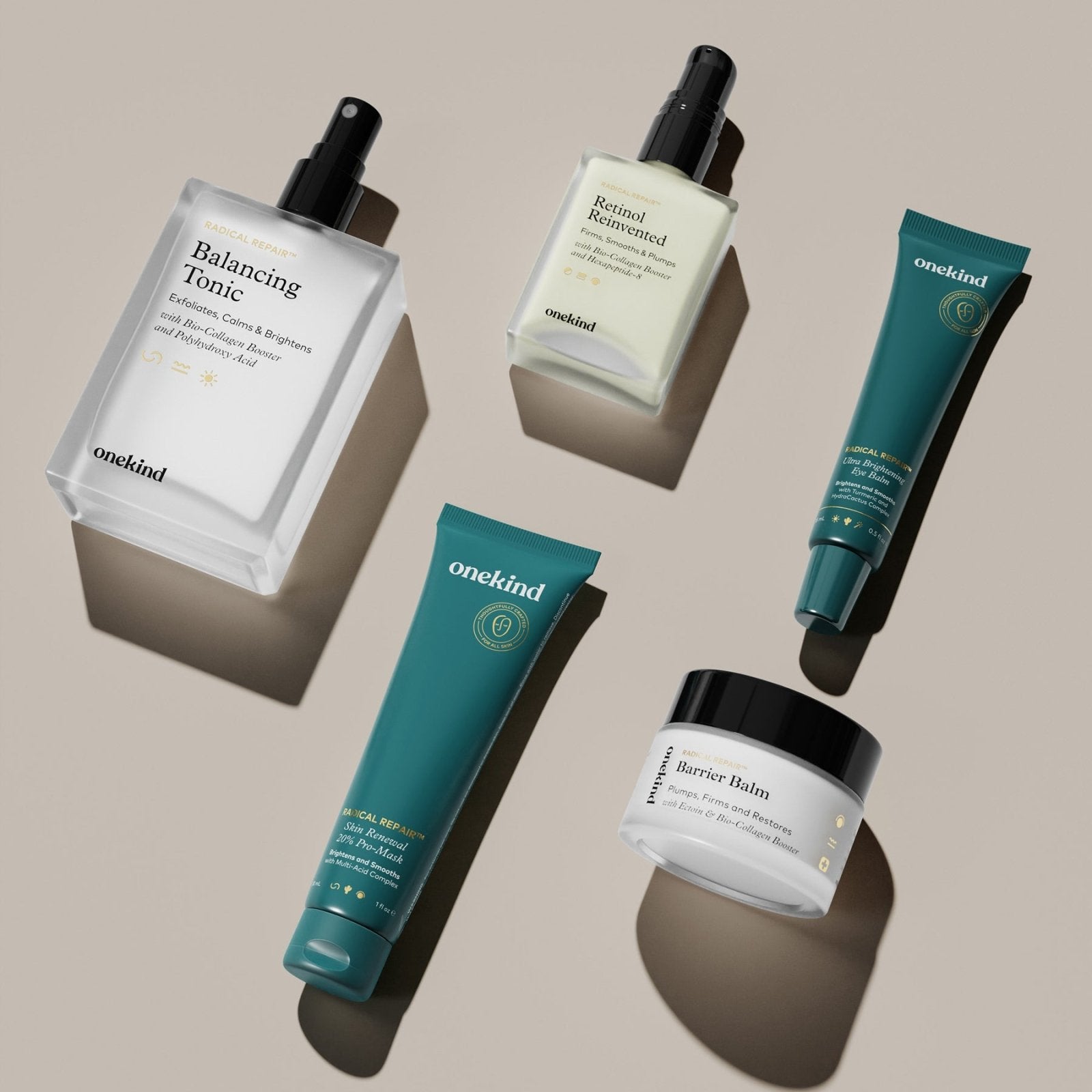
- Cleanse with Radical Repair® Nourishing Cream Cleanser.
- Apply Radical Repair® Balancing Tonic.
- Apply Radical Repair® Barrier Recovery Serum.
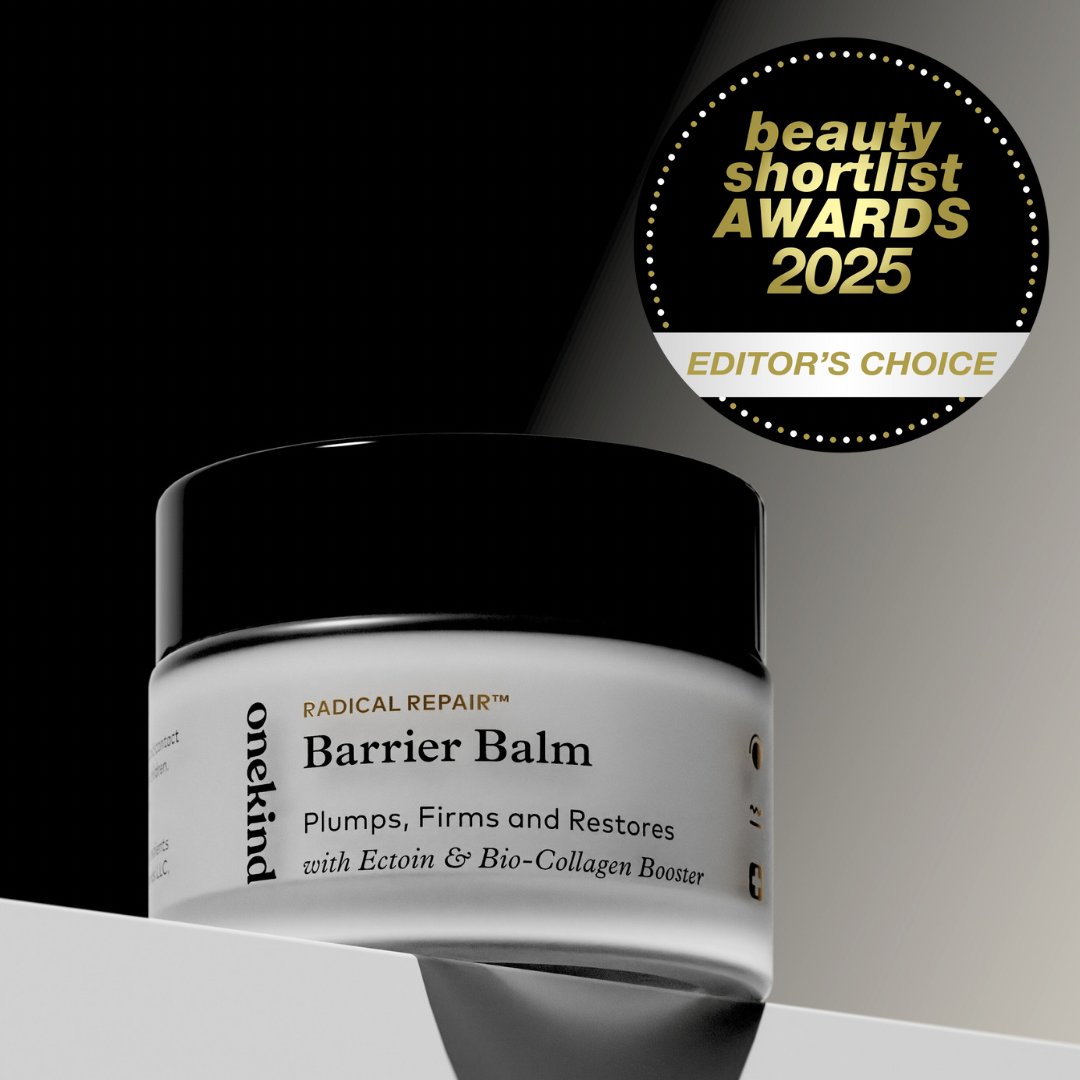
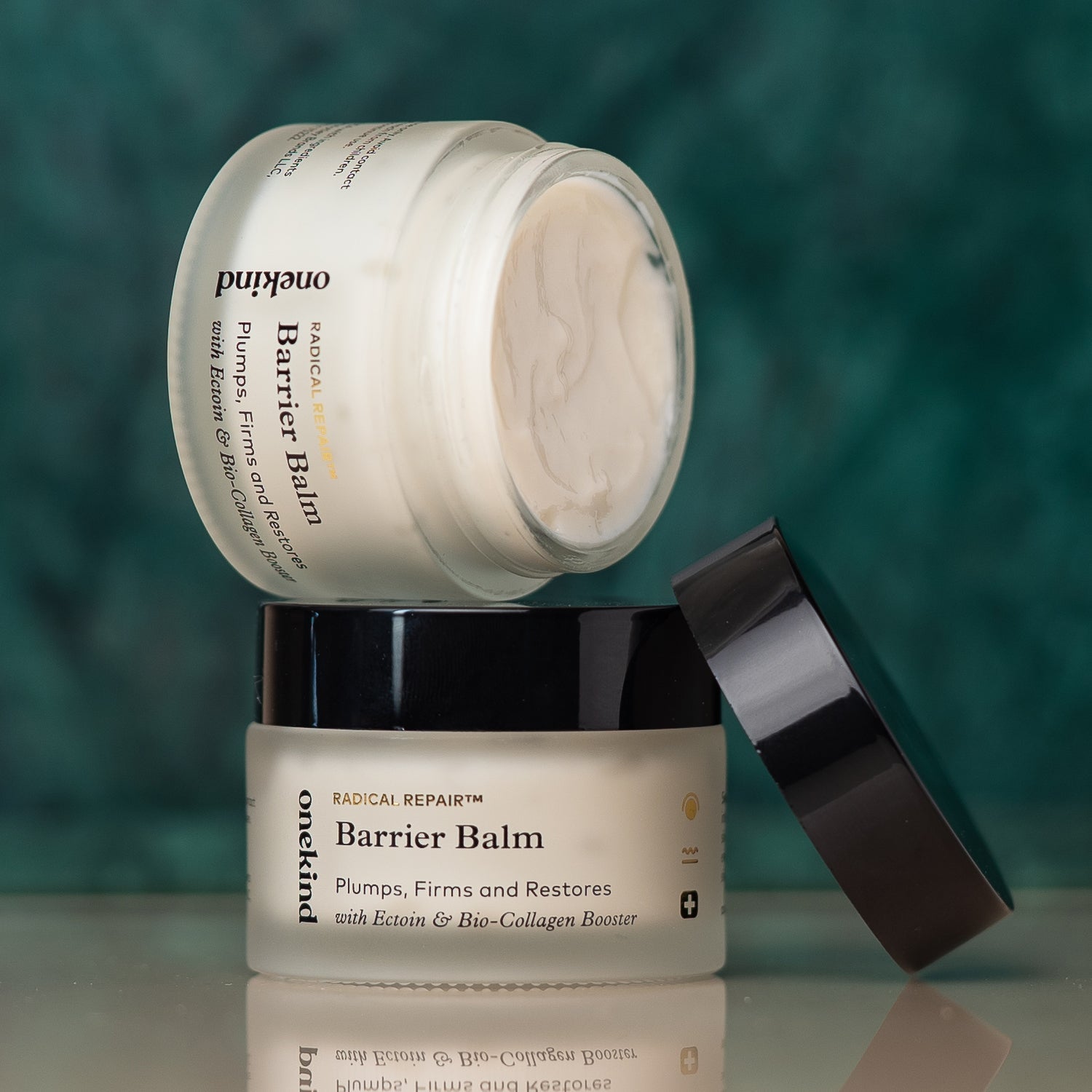
- Seal in hydration with Radical Repair® Barrier Balm.
- Finish with broad spectrum SPF during the day.
If you use retinol or exfoliating acids, Barrier Recovery Serum can also be used on recovery nights when your routine is focused on hydration and comfort. Introduce strong actives gradually and adjust frequency based on how your skin responds.
How to Choose a Microbiome Friendly Product
Look beyond the biggest word on the front of the package. A useful formula should make it clear what kind of ingredient it contains and what benefit the finished product is designed to provide.
- Look for specificity: Does the brand identify a prebiotic, postbiotic, ferment, or live probiotic rather than treating the terms as interchangeable?
- Consider the complete formula: Hydrators, emollients, antioxidants, and soothing ingredients still matter.
- Watch for medical promises: A cosmetic should not claim that changing the microbiome will cure a skin condition.
- Choose the right texture: The best formula is one you will use consistently and that works with the rest of your routine.
- Give it time: Immediate hydration may be noticeable quickly, while visible improvements in comfort and resilience require consistent use.
Frequently Asked Questions
Are Prebiotics and Postbiotics the Same Thing?
No. Prebiotics help support selected microorganisms already living on the skin. Postbiotics are nonliving cells, cell components, or metabolites derived from microorganisms. They can be used together, but they play different roles.
Are Fermented Ingredients Probiotics?
Not necessarily. Fermentation is a production process. A fermented ingredient may contain compounds created by microorganisms without containing live probiotic organisms in the finished skincare product.
Does Microbiome Skincare Contain Live Bacteria?
Usually not. True probiotic skincare must contain live microorganisms that remain viable through manufacturing, storage, and use. Many products described as probiotic skincare actually contain ferments, lysates, or postbiotic materials rather than live cultures.
Can I Use Fermented Skincare Every Day?
Many fermented skincare products are designed for daily use, but the correct frequency depends on the complete formula. Radical Repair® Barrier Recovery Serum is designed for daily use in the morning, evening, or both.
Can I Use Barrier Recovery Serum with Retinol?
Yes. The serum is formulated to complement routines containing retinol or exfoliating acids. On a retinol night, let your retinol absorb before applying Barrier Recovery Serum and moisturizer. On recovery nights, apply it after toning as your primary treatment step. If you use prescription skincare, follow your dermatologist's directions.
Is Microbiome Skincare Good for Blemish Prone Skin?
A gentle, microbiome conscious routine may be suitable for blemish prone skin, especially when harsh treatments have left it feeling dry or reactive. Radical Repair® Barrier Recovery Serum is designed for all skin types, including blemish prone skin. It supports balance and hydration but is not an acne treatment.
~~
Work With Your Skin, Not Against It
The most important lesson from microbiome skincare is not that bacteria are good or bad. It is that skin is an ecosystem, and balance matters. Prebiotics, postbiotics, and fermented ingredients offer different ways to support that environment, but their value depends on thoughtful formulation.
Radical Repair® Barrier Recovery Serum brings those ideas together in a simple daily step. Seven clinically backed actives help soothe stressed skin, replenish deep and lasting hydration, support the skin microbiome, and leave the moisture barrier feeling more resilient.