





By Matt Ruggieri, Co-founder & Head of Product Development, Onekind
Quick Answers
What makes a moisturizer good for sensitive, reactive skin?
The most important qualities are barrier support, gentle actives at appropriate doses, and the absence of common irritants — synthetic fragrance and dyes. Beyond that, look for ingredients with clinical evidence of helping visibly calm reactive skin, not just marketing language. A moisturizer that strengthens the skin barrier over time makes reactive skin less reactive, which is the real goal.
What is Hordeum Vulgare Seed Extract?
Hordeum Vulgare Seed Extract is derived from barley seed — a botanically-sourced active with a strong body of clinical research behind it. It's the INCI name for TRIglyphix® Sense, a specialized extract shown in studies to help visibly calm visible redness, support barrier function, and support the skin's own repair mechanisms. It's one of the most well-researched soothing actives available for sensitive skin formulations.
Why is nighttime the best time to use soothing skincare?
Sensitive skin is often most reactive after a full day of environmental exposure — UV, pollution, temperature changes, and friction. Applying a formula with effective soothing actives at night gives those ingredients the longest possible uninterrupted contact time with skin, without competition from SPF, makeup, or daytime exposure. Overnight is when your skin is most receptive to repair-oriented formulas.
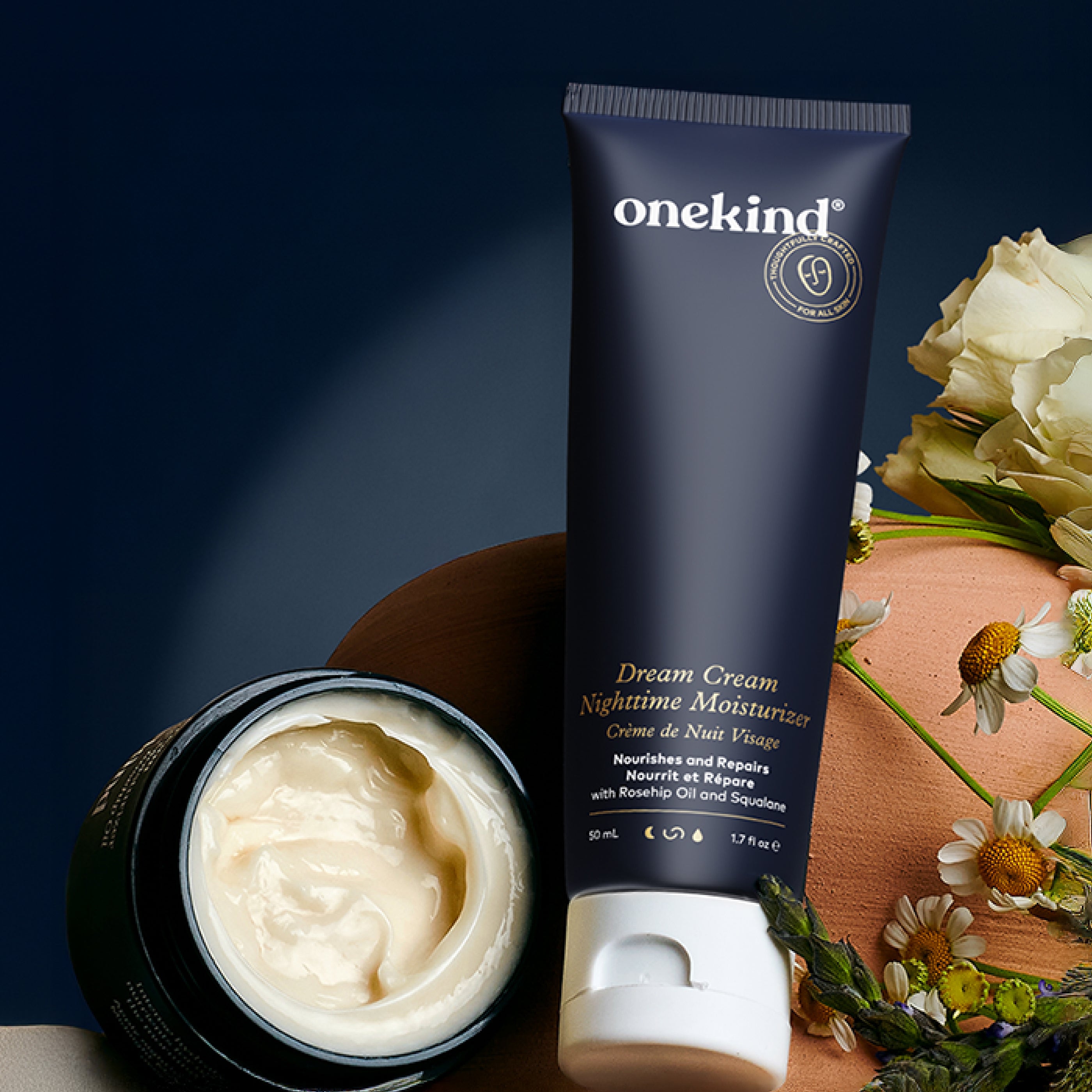
Can I use Dream Cream if I'm using retinol?
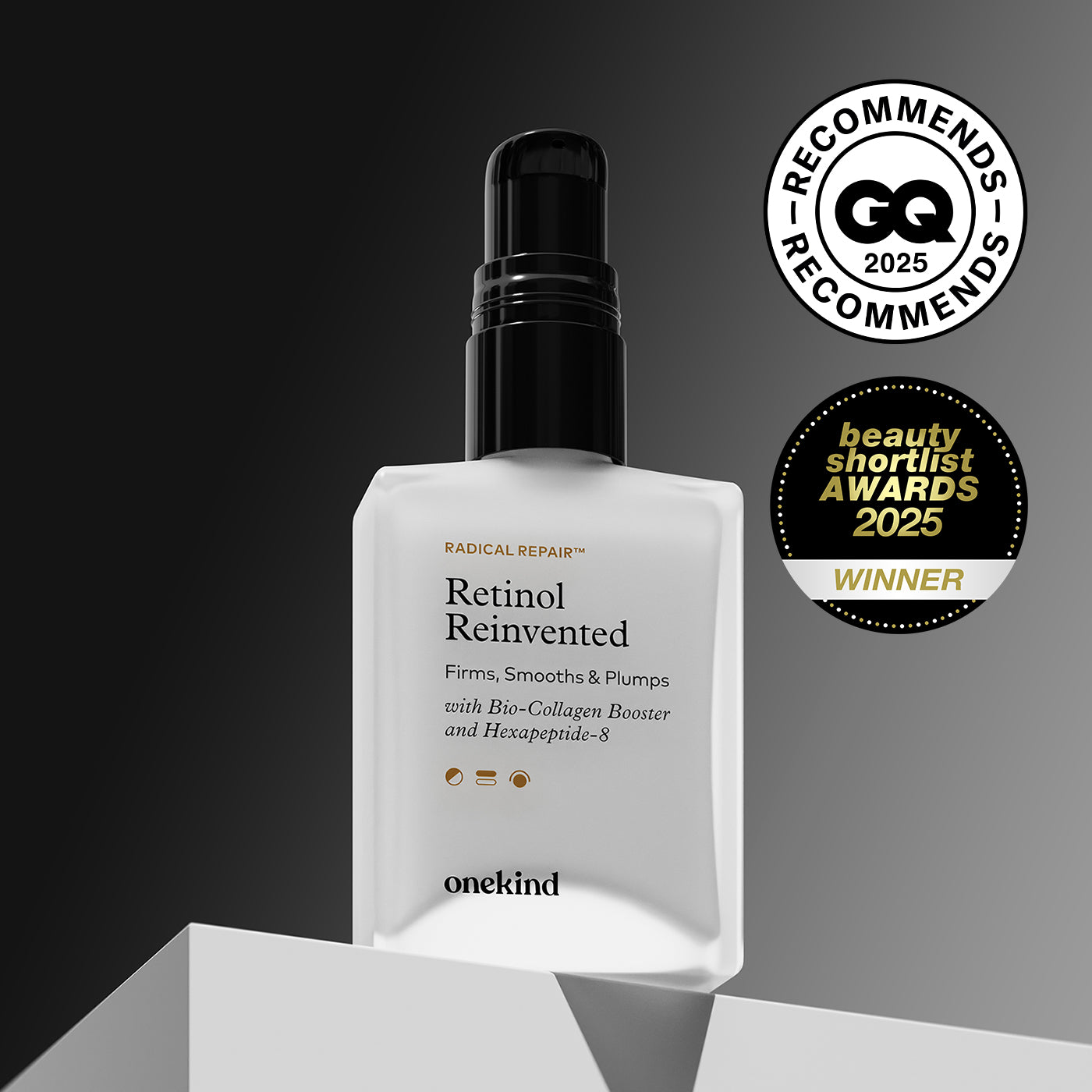
Yes — Dream Cream Nighttime Moisturizer is formulated to layer cleanly over retinol serums. The soothing properties of the barley seed extract are particularly helpful for people introducing retinol, since it helps visibly calm the visible redness and sensitivity that can accompany retinol use in the early stages. Apply retinol first, wait a minute, then apply Dream Cream on top.
Sensitive skin is easy to dismiss as a preference. Some people are just more particular about what they put on their face, right?
That's not what the research shows. Sensitive skin is a genuine physiological condition — a hyper-reactive state in which the skin's barrier function is compromised enough that the inflammatory cascade gets triggered more easily, more often, and sometimes by things that shouldn't cause a reaction at all. For the people living with it, the experience is real: burning, stinging, visible redness, and a constant wariness about trying anything new.
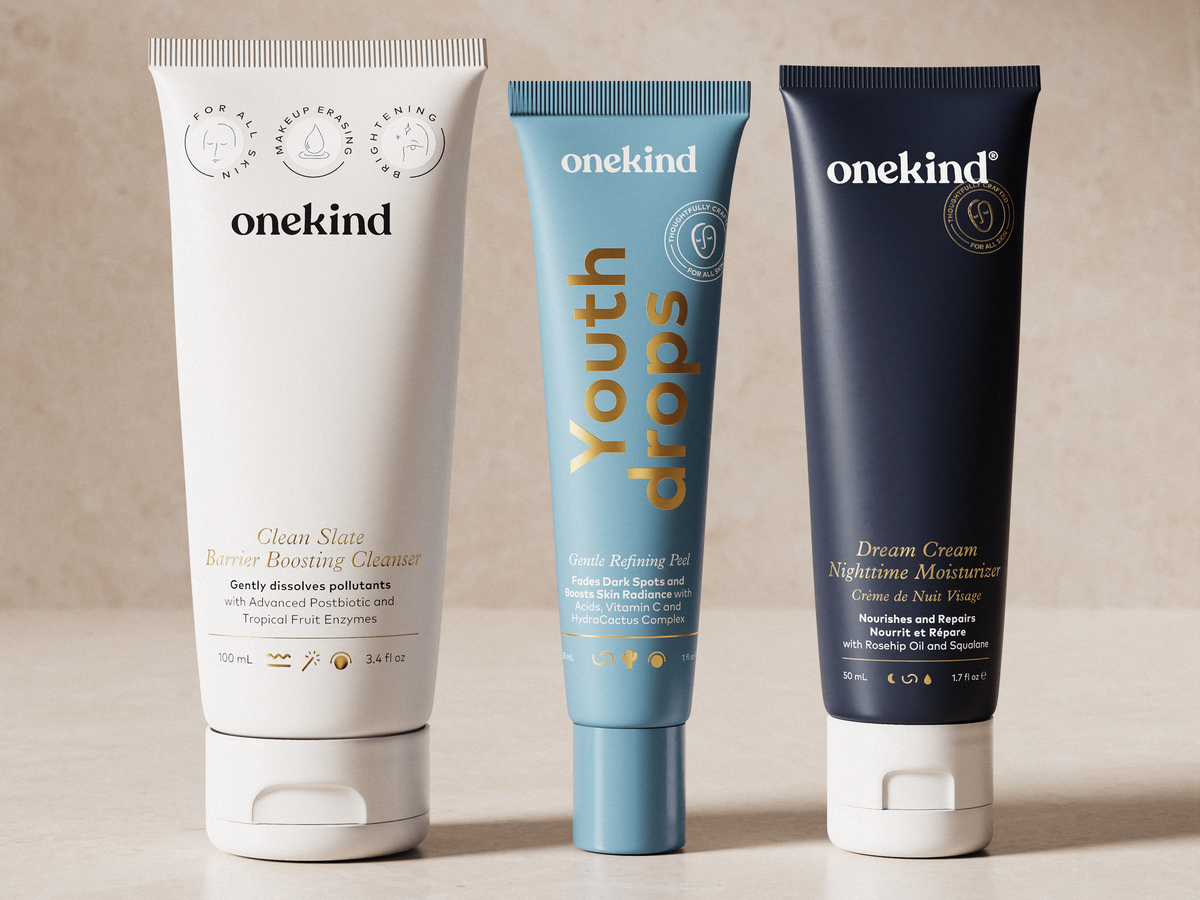
When I formulated Dream Cream Nighttime Moisturizer, sensitive skin wasn't an afterthought. It was the whole brief. And one of the ingredients I'm most proud of including — and one of the least talked about — is Hordeum Vulgare Seed Extract: barley seed extract. Here's why I chose it and what the clinical research behind it actually shows.
What Is Hordeum Vulgare Seed Extract?
Hordeum Vulgare is barley — one of the oldest cultivated grains in human history. The seed extract, derived through a specialized extraction process, concentrates a complex of bioactive compounds that have measurable effects on how skin cells respond to irritation and stress.
It's botanically derived, from renewable resources, non-GMO, and paraben-free. But what convinced me to include it in Dream Cream wasn't the sourcing story — it was the clinical data. This is one of the most rigorously studied soothing actives I've encountered in a decade of formulating skincare for sensitive skin.
DNA microarray analysis — a method that maps changes in gene expression across thousands of genes simultaneously — showed that Hordeum Vulgare Seed Extract modulates the expression of genes involved in barrier function, stress response, repair mechanisms, and the inflammatory cascade. Specifically: it was shown to down-regulate IL-1β and IL-1RAcP, two key players in the pathway that triggers visible skin reactivity.
That's not marketing language. That's the ingredient working at a cellular level to interrupt the signaling chain that produces the visible symptoms sensitive skin sufferers experience daily.

Three Ways It Supports Sensitive Skin
The clinical research on this ingredient organizes around three interconnected benefits. I'll explain each one in plain terms, because they matter for understanding why Dream Cream Nighttime Moisturizer does what it does.
1. Soothing: Helping Visibly Calm Reactive Skin
Sensitive skin's discomfort — the burning, stinging, visible redness — traces back to what's called the inflammatory cascade. When skin is irritated by an external trigger (a surfactant, an active ingredient, UV exposure, even stress or hormonal changes), skin cells called keratinocytes release cytokines: chemical messengers that activate the immune response. IL-1β is one of the most potent of these. When it binds to the IL-1 receptor on cell membranes, it kicks off a chain reaction that produces the symptoms sensitive skin sufferers know well.
Hordeum Vulgare Seed Extract has been shown to down-regulate the accessory protein (IL-1RAcP) that's required to activate this cascade. In simple terms: it helps interrupt the signal before the visible reaction gets going.
In clinical testing using full-thickness skin tissue models, this ingredient was shown to help reduce the expression of two key pro-inflammatory biomarkers — IL-1α by up to 41% and PGE2 by up to 49%, compared to untreated skin exposed to the same irritant. That's a statistically significant reduction in the markers that drive visible skin reactivity.
In a separate human panelist study evaluating redness from shaving — a reliable model for skin irritation — the ingredient was shown to help visibly reduce redness by up to 70% via clinician rating over seven days, compared to placebo. For anyone who's applied a new product and watched their face go red in real time, that level of soothing efficacy is meaningful.
2. Anti-Inflammaging: Breaking the Cycle Before It Becomes Chronic
Here's a concept I think about a lot that doesn't get enough attention in consumer skincare: inflammaging. It refers to the relationship between chronic low-grade inflammation and accelerated visible skin aging. Acute inflammation — the redness and stinging after a single irritant exposure — resolves on its own. Chronic inflammation, when the skin is in a semi-permanent state of low-level reactivity, accumulates over time into visible changes in skin texture, tone, and resilience.
Sensitive skin is particularly vulnerable to this pattern. The same reactive threshold that causes visible redness today, if not addressed, contributes to a gradual breakdown of the skin's structural components over years.
This is where Hordeum Vulgare Seed Extract does something especially useful. In a blinded clinical study, participants had 10% lactic acid — a potent AHA — applied to both sides of their face to induce a discomfort response. The side treated with the barley extract showed a 59% reduction in perceived sting and discomfort after five minutes, compared to the placebo side. In a follow-up study using a gentle base formula without any actives, the same ingredient reduced burning and stinging sensations by 73% after five minutes.
That second result is the one that struck me. An ingredient that makes a mild formula even gentler is exactly what I wanted in a night cream designed for people whose skin is already at its limit.
For anyone using Dream Cream alongside a retinol or AHA — which a lot of our customers do — the soothing properties of this ingredient aren't incidental. They're part of why the combination works without the friction that usually accompanies active skincare for sensitive skin.
3. Revitalization: Supporting the Skin's Own Repair Cycle
The third pillar is the one that I find most compelling from a formulation standpoint, and it directly connects to why this ingredient belongs in a nighttime formula specifically.
While you sleep, your skin is doing the work of repair — rebuilding the extracellular matrix (ECM) components that give skin its structure, firmness, and moisture retention: collagen, elastin, and hyaluronic acid. As skin ages and barrier function weakens, this overnight repair becomes less efficient. The structural components that should be rebuilt get broken down faster than they're replaced.
In laboratory studies on human fibroblasts — the cells responsible for producing these structural components — Hordeum Vulgare Seed Extract showed meaningful effects across every major ECM marker tested:
- Fibroblast proliferation improved by up to 66% compared to control — meaning more of the cells responsible for structural repair were actively dividing and working
- Collagen production increased by up to 54%
- Elastin production increased by up to 97%
- Hyaluronic acid production increased measurably at higher concentrations
- MMP-1 activity reduced by up to 55% — MMP-1 is an enzyme that breaks down collagen and other ECM components; inhibiting it means the structural work being done isn't immediately undone
These are in vitro results — laboratory cell studies, not human clinical trials — so I want to be careful about what I claim from them. But the directionality is clear and consistent: this ingredient supports the biological processes that maintain skin's structural integrity over time, with particularly strong evidence on collagen support and MMP-1 inhibition.
For a nighttime formula, where the goal is to work with the skin's own overnight repair cycle, that profile is exactly right.
Why This Ingredient at Night Specifically
I mentioned this in the quick answers above, but it's worth expanding on: the timing of when you apply soothing and repair-oriented ingredients matters.
By the end of the day, sensitive skin has typically been through a lot. UV exposure, environmental pollutants, temperature changes, makeup, the friction of daily life — all of it accumulates. The skin's inflammatory signaling tends to be more active at the end of the day, and transepidermal water loss is higher overnight than during the day, meaning the barrier is more permeable.
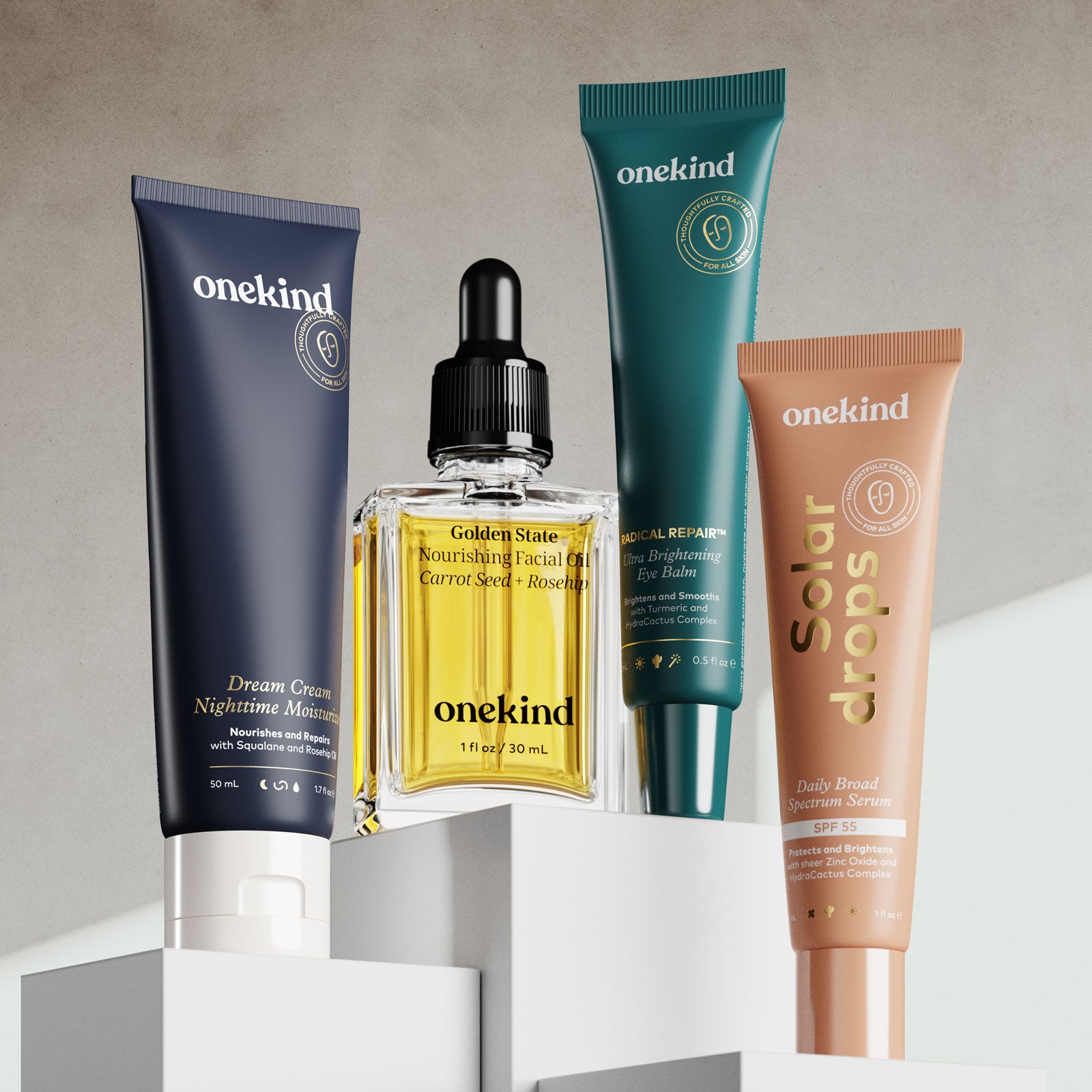
Applying Dream Cream Nighttime Moisturizer — with its barley seed extract, squalane, hyaluronic acid, and barrier-supporting base — at night means the soothing actives have maximum contact time with skin when it needs them most, with no competition from SPF, makeup, or daytime environmental exposure. Eight hours of uninterrupted skin contact is a significant advantage for ingredients that work best with time.
What This Means for Your Routine
If you have sensitive or reactive skin — skin that flushes easily, stings when you try new products, or reacts to things that seem like they shouldn't cause a reaction — the solution isn't necessarily to strip your routine back to nothing and avoid all actives forever. The solution is to build a strong enough foundation that your skin becomes less reactive over time.
That means prioritizing barrier support. It means using soothing actives with real clinical backing, not just ingredients that smell calming. It means being consistent, giving your skin the chance to stabilize before judging whether a formula is working. And it means being rigorous about avoiding the ingredients that are most commonly disruptive: synthetic fragrance, alcohol, harsh surfactants.
Dream Cream Nighttime Moisturizer is built around all of those principles. The barley seed extract is one reason it works for reactive skin; the absence of synthetic fragrance is another; the squalane-anchored base is a third. None of these are the exciting headline claim. But they're why the formula consistently performs for people who have had a hard time finding something that agrees with their skin.
If your skin tends to react to new products, or if you're looking for a night cream that actively supports your skin barrier rather than just sitting on top of it, Dream Cream Nighttime Moisturizer is the place to start. It's designed specifically for the skin that needs it most.
Written by Matt Ruggieri, Co-Founder & Head of Product Development at Onekind, with 15+ years of experience in beauty product formulation and development.