






You know retinol is supposed to transform your skin. You've also heard the other side: redness, peeling, a week of looking like you got sunburned indoors. So you've been putting it off.
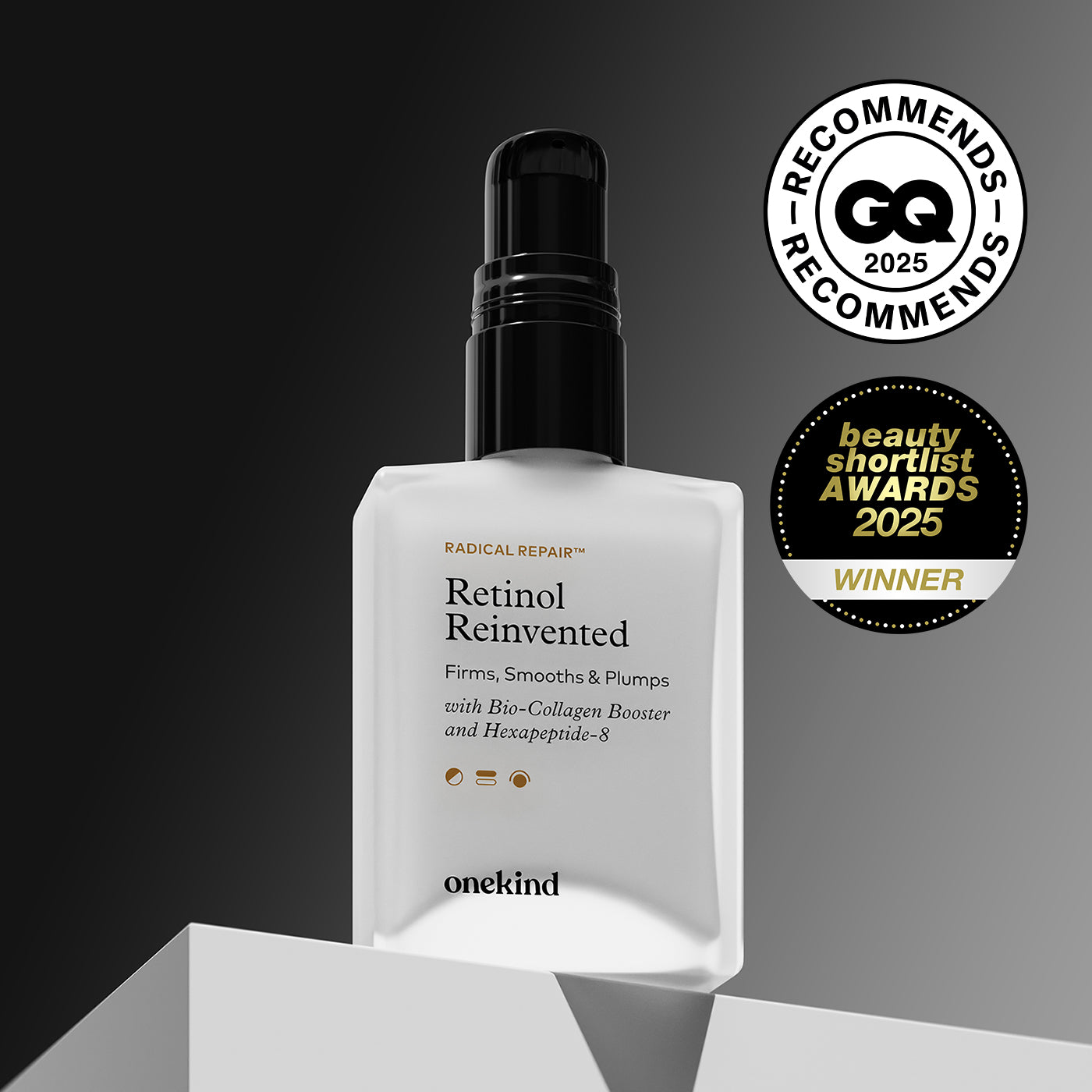
Here's what you actually need to know: retinol is still one of the most clinically proven ingredients in skincare, and most of the horror stories come from starting wrong — too much, too often, on unprepared skin. This guide covers exactly how to introduce retinol, what to expect, and how to build a routine around it so you get the results without the drama. We'll also show you why Radical Repair™ Retinol Reinvented makes the process easier than you'd expect.
How Retinol Works (The Short Version)
Retinol is a vitamin A derivative that accelerates skin cell turnover — the natural process of shedding old, damaged cells and replacing them with fresh ones. As turnover speeds up, collagen production increases, fine lines soften, dark spots fade, and skin texture becomes noticeably smoother. It's one of the only ingredients with decades of clinical research behind it.
The catch is that this acceleration is also what causes initial irritation — your skin is adjusting to a faster-than-usual renewal cycle. That adjustment period is entirely avoidable if you introduce retinol gradually and with the right formula.
What to Expect in the First 4 Weeks
Understanding the timeline makes it far easier to stick with retinol long enough to see the payoff.
Weeks 1–2: Some people experience mild dryness or light flaking, particularly around the nose, chin, and brow where skin is thinner. If your skin is sensitive, you may notice slight tightness or sensitivity 24 hours after use. This is normal and temporary — it means the retinol is working.
Weeks 3–4: Most people acclimate during this window. The dryness resolves, skin looks noticeably brighter, and texture starts to smooth. This is the beginning of "retinization" — your skin adjusting to its new pace of renewal.
Month 2 and beyond: This is when the real benefits arrive. With consistent every-other-night to nightly use, most people notice meaningfully softer fine lines, more even skin tone, and cleaner-looking pores by weeks 6–8.
If you experience significant redness, burning, or barrier disruption beyond week 2, you're likely applying too much, too frequently, or need a gentler formula. Radical Repair™ Retinol Reinvented was specifically designed to minimize this adjustment period — more on that below.
The Right Way to Introduce Retinol
The most common mistake isn't choosing the wrong retinol — it's using it incorrectly. Follow these rules when starting out:
Start every other night — not every night
Apply retinol every other night for the first two to four weeks. Your skin needs time to adjust to the new cell turnover rate before it can handle daily use. Going every night from day one is exactly how you end up with the barrier damage that turns most people off retinol — and it doesn't get you to results any faster.
A pea-sized amount is enough
A pea-sized drop covers your entire face. More product does not mean more results — it means more irritation. Apply to clean, dry skin and spread outward from the center of your face. Less is genuinely more here.
Always apply at night
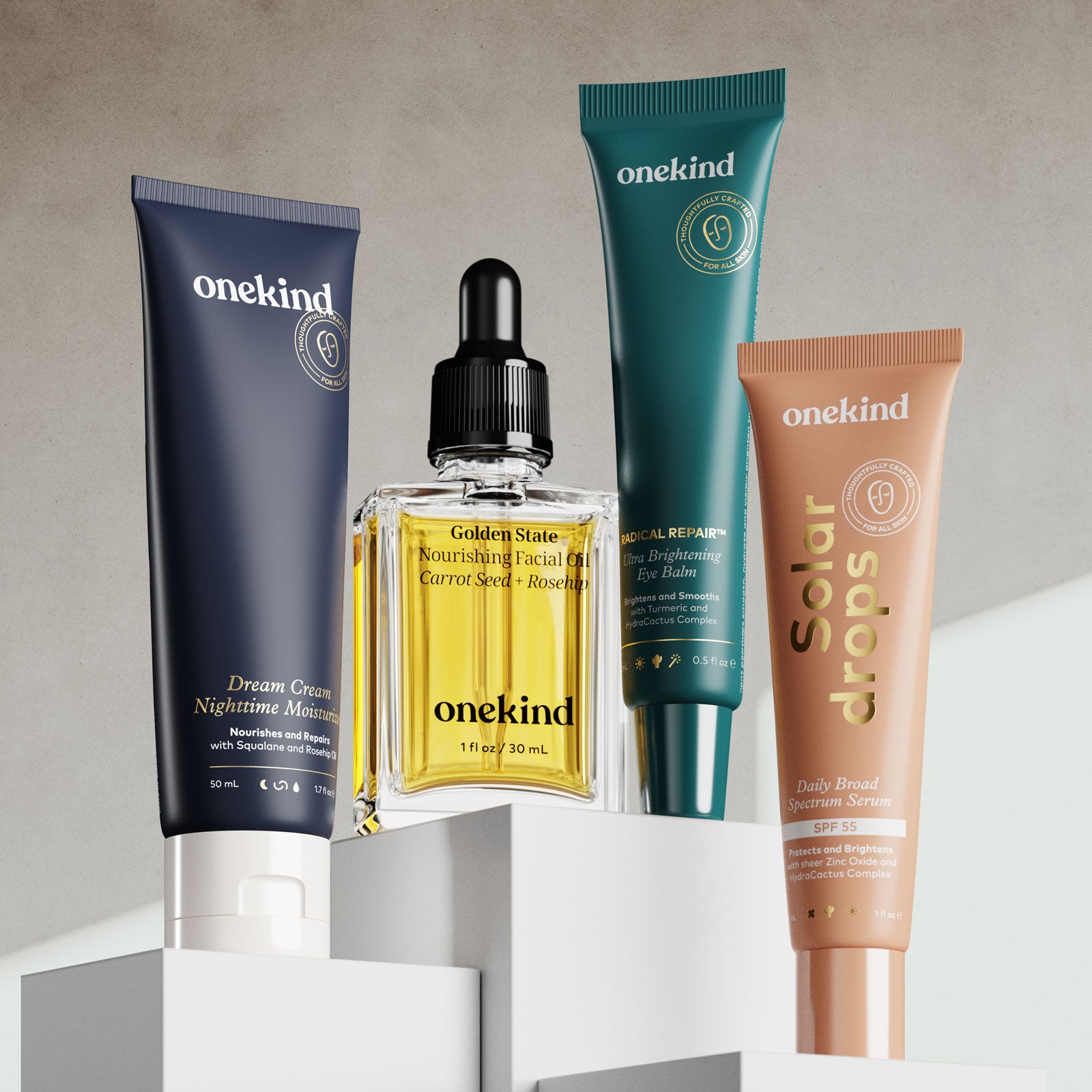
Retinol degrades in UV light and temporarily increases your skin's sensitivity to sun damage. Use it as the last step of your evening routine only, and wear a broad-spectrum SPF every single morning — this is non-negotiable. Solardrops SPF 55 is a lightweight, non-whitening option that layers easily under makeup.
Apply to dry skin, not damp
Retinol absorbs faster and more aggressively on damp skin, which can cause unnecessary irritation. After cleansing, pat skin dry and wait 5 minutes before applying retinol. This one step alone significantly reduces the chance of redness during the first few weeks.
Give it time to absorb before moisturizer
Wait 5–10 minutes after applying retinol before layering your moisturizer. For sensitive skin, try the sandwich method: apply moisturizer first, then retinol, then another layer of moisturizer on top. This buffers the depth of absorption and dramatically reduces irritation without sacrificing efficacy — especially useful in the first month.
Don't combine with other exfoliants on the same night
While you're getting started, keep AHAs, BHAs, glycolic acid, and L-ascorbic acid vitamin C in separate routines from your retinol. Use them on alternating nights to keep your barrier intact. (PHA toners are the exception — they're gentle enough to pair with retinol without compromise.)
The 5 Biggest Beginner Mistakes
- Skipping SPF the morning after: Retinol increases UV sensitivity. Without daily SPF, you're undoing the benefits and actively creating new sun damage.
- Giving up after one week: Temporary dryness and light flaking are normal and pass within 2–4 weeks. The results are on the other side of the acclimation period — not before it.
- Starting at too high a concentration: Higher percentage retinol does not mean faster results if your skin barrier can't tolerate it. Starting lower and building consistently over months outperforms aggressive starts every time — it's the principle behind how Retinol Reinvented was formulated.
- Applying to damp skin: Skin absorbs retinol faster when wet, driving more irritation. Always apply to fully dry skin.
- Combining with other actives too soon: Mixing retinol with glycolic acid, AHA toners, or strong vitamin C on the same night is one of the fastest ways to compromise your barrier as a beginner. Alternate them on different evenings instead.
Your Retinol Starter Routine (Step by Step)
Here's a simple, effective evening routine built around retinol for beginners:
- Cleanser — gentle and non-stripping. Pat skin dry and wait a few minutes before proceeding.
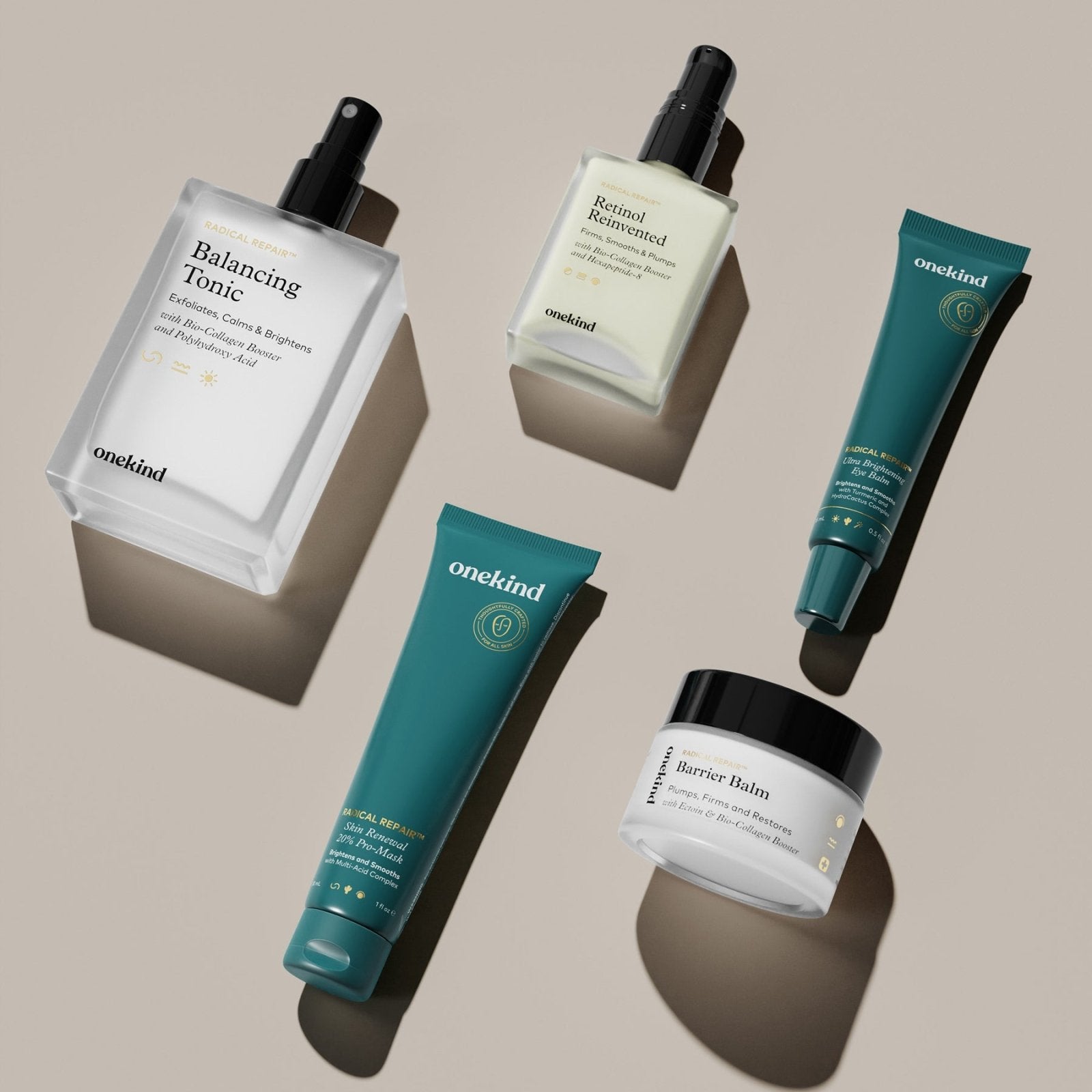
- Toner — if you use one, a PHA toner like the Radical Repair® Balancing Tonic is ideal alongside retinol. PHAs exfoliate gently without disrupting your barrier — unlike AHAs, they're compatible with a retinol routine.
- Retinol serum — Radical Repair™ Retinol Reinvented — pea-sized amount to clean, dry skin. Allow 5–10 minutes to absorb.
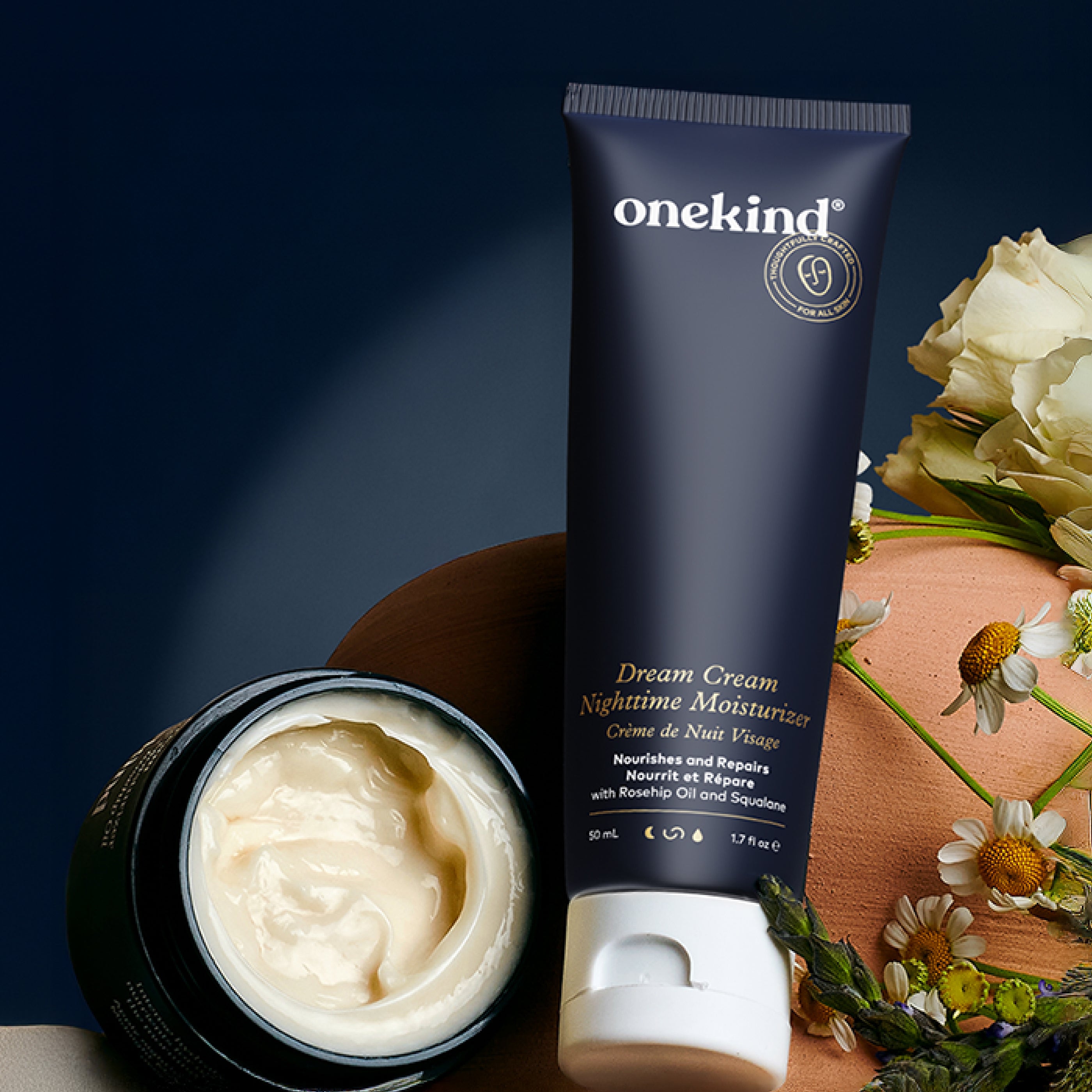
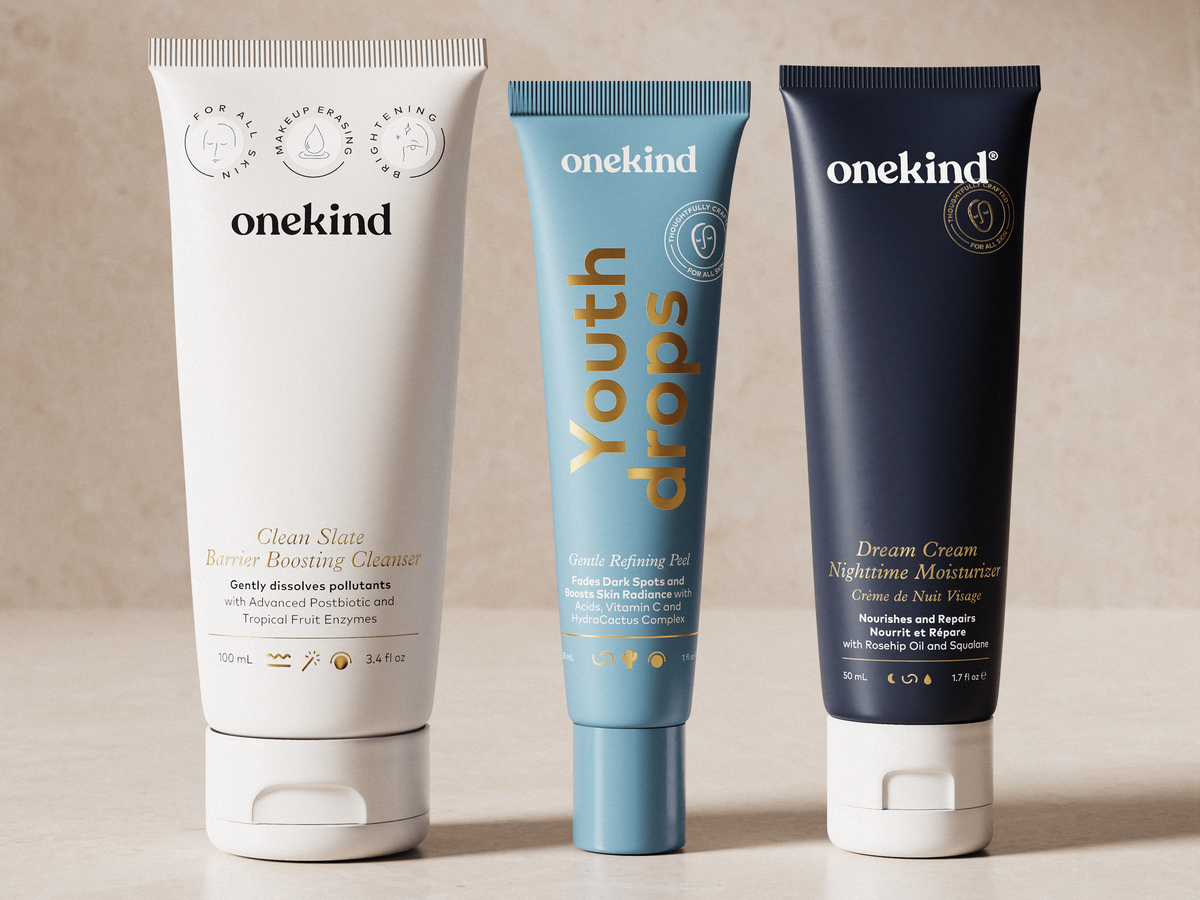
- Nighttime moisturizer — seal in your retinol and support overnight repair with a rich, nourishing moisturizer. The Dream Cream Nighttime Moisturizer is particularly well-suited here: hyaluronic acid, peptides, and ceramides work together to reinforce the skin barrier that retinol temporarily disrupts, helping skin recover and regenerate while you sleep.
On nights you're not using retinol: this is the time for AHA treatments, exfoliating masks, and vitamin C serums.
How to Know Retinol Is Actually Working
Look for these signals, which typically appear between weeks 4 and 8 of consistent use:
- Noticeably smoother, more refined skin texture
- Pores look smaller and less congested
- Fine lines — particularly around the eyes and forehead — appear softer
- Skin tone is more even, with dark spots and sun damage beginning to fade
- Skin looks brighter and more "awake" in the morning
Because Retinol Reinvented's gentler formula reduces the disruption in the early weeks, most people find it easier to stay consistent long enough to reach these milestones. Consistency is what makes retinol work — anything that helps you stick with it is a meaningful advantage.
If you're several weeks in and not noticing changes, you likely need to increase frequency — move from every other night to nightly use and reassess at the six-week mark.
Why Retinol Reinvented Is the Ideal Starting Point
Not all retinols are equal — and for beginners, the form of retinol matters more than the percentage on the label. Standard retinol (retinol alcohol) converts to active retinoic acid quickly, which is why it's effective but also why it causes the redness and peeling most people associate with the ingredient. Retinaldehyde is even more direct — potent and fast, but often too aggressive for first-time users. The key for beginners is a retinol form that gets into the skin gradually, giving your barrier time to adapt without the dramatic initial reaction.
Radical Repair™ Retinol Reinvented uses retinyl linoleate — a gentler ester form of retinol that converts to active retinoic acid more slowly than standard retinol. This slower conversion is what makes it significantly more tolerable for sensitive skin: you're still getting retinol's cell turnover and collagen-stimulating effects, just without the wall-to-wall irritation during the adjustment period. Paired alongside it is marine bio-retinol derived from microalgae — a plant-based retinol alternative that works through a similar mechanism to promote skin renewal without the synthetic harshness of traditional retinoids.
What really sets this formula apart for beginners, though, is what surrounds the retinol. Ectoin — a small molecule that forms a protective hydration shell around skin cells — actively counteracts one of retinol's most common side effects: moisture loss. While retinol speeds up cell turnover, ectoin slows water evaporation, keeping the skin barrier intact and significantly reducing the dryness and flaking that make most people abandon their retinol in week two. The Bio-Collagen Complex (hibiscus extract, snow mushroom, golden algae ferment) goes a step further, supporting elasticity and plumpness so your skin is strengthening — not just surviving — while it adjusts.
The result is a retinol you can actually stay consistent with. Consistency is what makes retinol work. Retinol Reinvented is designed to remove the excuses — the irritation, the barrier disruption, the frustrating acclimation period — so you get to the results faster and stay there.
Written by Matt Ruggieri, Co-Founder & Head of Product Development at Onekind, with 15+ years of experience in beauty product formulation and development.